String of bananas(Curio radicans)

String of bananas (Curio radicans)

Also known as: String of fishhooks, Banana vine, String of pearls

String of bananas (Curio radicans) is a succulent species that is often planted as a houseplant. As one might guess from its appearance, it is not a type of banana, but simply named "string of bananas" because of the succulent leaves' shapes. This species is easy to grow, and it is often seen in pots, hanging baskets, or succulent gardens. It produces cinnamon-scented flowers which have a tendency to attract insects.

Attributes of String of bananas

Lifespan
Perennial
Plant Type
Succulent
Plant Height
15 cm
Spread
45 cm
Leaf Color
Green
Flower Size
Around 1-2 cm (0.4-0.8 inches)
Flower Color
White

ForwardPlant - Identify plants with a snap

Identify and diagnose plants, get toxicity alerts, and explore safety guides for all types of fungi.

Try for Free

Images of String of bananas

String of bananas(Curio radicans)

Quickly Identify String of bananas

1
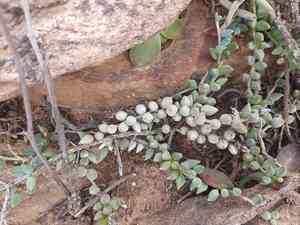
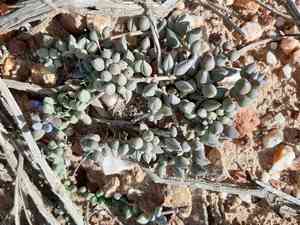
Identify Curio radicans by its curved, banana-shaped leaves that grow on string-like stems. The leaves are typically green and may have a slightly translucent quality.

Scientific Classification of String of bananas

Phylum
Vascular plants
Class
Dicotyledons
Order
Asterales
Family
Daisy
Genus
Curio
Species
String of bananas

Planting and Growing of String of bananas

Care Difficulty
Easy
Watering Schedule
Every 3 days
Sunlight Requirements
Partial sun
Sunshine Duration
6-10 hours
Ideal Temperature
65-75℉
Soil Type
Potting Mix, Peat Mix
Soil pH
6.5-7.5
Fertilizer Type
Balanced
Pruning Season
Spring, Summer
Pruning Area
Branches, Leaves
Pruning Frequency
2 times a year
Repotting Season
Spring
Pot Type
Plastic, Terracotta

water icon How to Water String of bananas?

Curio radicans prefers to be watered sparingly. Ensure the top 2-3 inches of soil are completely dry before watering again. The plant's roots can easily rot if left in soggy soil, so aim for around 100 ml per watering. Pour water evenly across the soil surface till it begins to escape from the drainage holes.
What are the symptoms of an underwatered String of bananas?
What should I do if my String of bananas is not getting enough water?
What are the symptoms of an overwatered String of bananas?
How to save an overwatered String of bananas?
More About Watering Techniques

sunlight icon What Are the Sunlight Requirements for String of bananas?

Sunlight Requirements: Partial sun
Duration of light: 4 to 6 hours daily
Curio radicans prefers partial sun exposure. Suitable lighting supports balanced photosynthesis, leading to robust growth and vibrant leaf coloration while avoiding scorching or wilting.
How much light does Curio radicans need?
What is the solution for obtaining ideal light?
What are the benefits of perfect lighting?
More About Sunlight Requirements Techniques

temperature icon What Is the Ideal Temperature Range for String of bananas?

Ideal Temperature: 65 ~ 75℉
The ideal temperature range for Curio radicans is between 65°F and 75°F. This range provides optimal conditions for growth, aiding in healthy foliage development and preventing stress. Maintaining temperatures within this range helps ensure the plant remains vigorous, minimizing the risk of diseases that thrive under less ideal conditions. The plant's metabolic processes, including photosynthesis and nutrient uptake, function efficiently within this bracket.

soil icon What Soil is Best for String of bananas?

Soil type: Sandy soil, Loam
Soil PH: 6.5 ~ 7.5
Curio radicans thrives in well-draining soil, which helps to prevent waterlogging that can lead to root rot. Ensuring good drainage mimics its natural rocky habitat, allowing the plant to absorb necessary nutrients while excess water passes through. Though tolerant of less fertile soils, Curio radicans benefits from a soil mix enriched with organic matter, which provides essential nutrients that stimulate healthy growth and vibrant foliage. This nourishment supports its creeping and trailing nature. Soil that is well-aerated is key for Curio radicans, as it allows roots to breathe and facilitates better nutrient absorption. Aerated soil reduces compaction, preventing stagnant conditions that could stifle the plant's growth. More About Soil

fertilize icon How to Fertilize String of bananas?

Fertilizer type: Balanced
Curio radicans requires a balanced and careful approach to fertilization. When using liquid fertilizers, dilute them to half the strength recommended by the manufacturer to avoid root burn. For slow-release fertilizers, use sparingly—about one tablespoon per 8-inch pot every four months or so.

prune icon How to Prune String of bananas?

Pruning Time: Spring, Summer, Autumn, Winter
Begin by removing dead or yellowing leaves at the base. Next, trim back long, trailing stems to encourage bushier growth. Make cuts just above a leaf node, which promotes new bud development. Always cut at an angle to allow water runoff. To make your plant fuller, pinch off the tips of the stems regularly. This forces the plant to focus its energy on lateral growth, resulting in a more compact and lush appearance.

propagate icon How to Propagate String of bananas plant?

Propagate Time: Spring, Late spring, Early spring, Summer, Early summer
1
Choose a healthy, mature stem from a well-established Curio radicans plant. The stem should be firm and free of any pests or diseases. Ideally, select a stem that's about 3 to 5 inches long with several leaves.
2
Using sterilized scissors or pruners, cut the selected stem just below a node. This is where new roots will emerge. Ensure the cut is clean and even to promote healthy root growth.
3
Before planting the cutting, let the cut end dry and callus over. This process usually takes a few hours to a day and is crucial to prevent the cutting from rotting once planted.
More About Propagating Techniques

repot icon How to Repot String of bananas plant?

Repotting frequency: Every 2-3 years
1
Curio radicans shows signs of needing repotting when roots begin to emerge through the drainage holes, or when growth becomes stunted due to root-bound conditions. Typically, this happens every two to three years. For optimal results, schedule repotting during its active growing season in spring or early summer when the plant can recover swiftly.
2
Select a pot that is just one size larger than the current one, ensuring it has sufficient drainage holes. A slightly larger pot allows room for root growth without overwhelming the plant with too much soil that retains moisture, which could lead to root rot. Terracotta pots are an excellent choice as they wick away excess moisture and provide breathability.
3
Opt for a well-draining cactus mix. This type of soil maintains the right moisture balance and prevents waterlogging, which Curio radicans cannot tolerate. Adding perlite or coarse sand enhances the mix's drainage capability, ensuring a healthy root environment and optimal growth conditions.

ForwardPlant - Identify plants with a snap

Find the best spots for them to optimize their health, simply using your phone.

Try for Free

Toxicity of String of bananas

Is String of bananas toxic to humans?

The String of Bananas plant exhibits a mild toxicity level for humans, with the entire specimen having the potential to cause poisoning if ingested. If consumed inadvertently, the toxic compounds found in String of Bananas may provoke a variety of symptoms. Affected individuals could suffer from gastrointestinal distress, which manifests as nausea, vomiting, and diarrhea. Moreover, oral irritation may occur, resulting in a burning sensation in the mouth, excessive salivation, and difficulties in swallowing. It is crucial for individuals, particularly those with children or pets, to recognize the possible hazards connected to the unintentional consumption of String of Bananas and to ensure that the plant is kept out of reach to avert such incidents.

Is String of bananas toxic to cat?

The String of Bananas plant exhibits a low degree of toxicity for felines. If a cat ingests any segment of this plant, since the entire organism is toxic, it risks becoming poisoned. Typically, poisoning occurs through accidental ingestion, which may result from a cat chewing on or consuming parts of the plant out of curiosity or during playful behavior. Following consumption, a cat may display general signs that suggest physical discomfort or an unfavorable response. It is essential for cat owners to monitor their pets diligently and pursue immediate veterinary attention if any symptoms of poisoning manifest, to guarantee swift and suitable treatment.

Is String of bananas toxic to dog?

The string of bananas presents a slight toxicity hazard to dogs. These pets might inadvertently consume portions of the string of bananas, which can lead to potential poisoning concerns. The whole plant is regarded as toxic, and ingestion may cause signs like vomiting, diarrhea, or lethargy. It is vital for dog owners to keep a close eye on their pets and restrict access to string of bananas to prevent unintentional eating. In the event that a dog does consume any segment of string of bananas, it is important to obtain prompt veterinary assistance to safeguard the health and well-being of the animal.

Identify toxic plants for your safety

Learn which plants are harmful to you and your pets, and make informed choices for a safer home!

Try for Free
WARNING
The judgment on toxicity and danger is for reference only. We DO NOT GUARANTEE any accuracy of such judgment. Therefore, you SHALL NOT rely on such judgment. It is IMPORTANT TO SEEK PROFESSIONAL ADVICE in advance when necessary.
More About Toxic Techniques