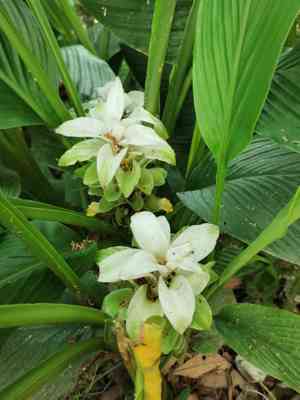
Curcuma (Curcuma) (Curcuma)
Also known as: Turmeric, Indian Saffron
Curcuma plants, predominantly tropical flowering species, include varieties with significant culinary and commercial importance. The powdered roots, especially from turmeric (Curcuma longa), are widely utilized for their distinctive flavor in South and Southeast Asian cooking. Known for its intense yellow-orange hue, the powder serves as a natural dye, historically and presently used in textiles and as a colorant in various foods, such as mustards and ready-made soup bases.
In This Article
Attributes of Curcuma (Curcuma)
Lifespan
Perennial
Plant Height
75 cm
Spread
50 cm
Leaf Color
Green
Flower Size
5-15 cm
Flower Color
White, pink, yellow, purple
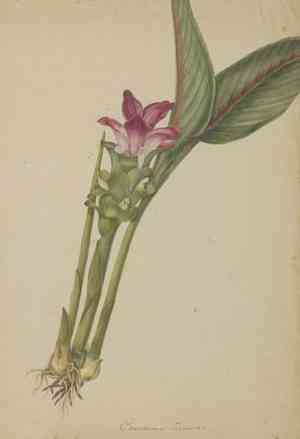
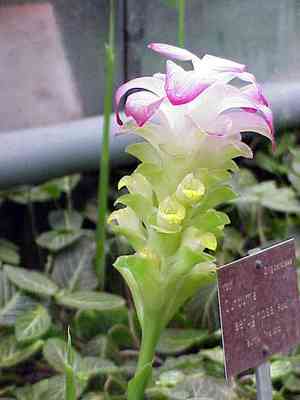
Images of Curcuma (Curcuma)
Quickly Identify Curcuma (Curcuma)
1
Curcuma plants can be identified by their wide, lanceolate leaves arranged in a spiral and their brightly colored bracts and flowers. The rhizomes are often aromatic and can be dug up for positive identification.
Scientific Classification of Curcuma (Curcuma)
Phylum
Magnoliophyta
Class
Liliopsida
Order
Zingiberales
Family
Zingiberaceae
Genus
Curcuma
Planting and Growing of Curcuma (Curcuma)
Care Difficulty
Moderate
Watering Schedule
Every 4 days
Sunlight Requirements
Partial sun
Sunshine Duration
4-8 hours
Ideal Temperature
75-85℉
Soil Type
Potting Mix, Peat Mix
Soil pH
5.5-7.5
Fertilizer Type
Balanced
Pruning Season
Spring, Summer
Pruning Area
Branches, Leaves
Pruning Frequency
2 times a year
Repotting Season
Spring
Pot Type
Plastic, Ceramic
 How to Water Curcuma (Curcuma)?
Curcuma requires watering until the soil is evenly moist. Make sure the top 2 inches of soil are damp, allowing excess water to drain away. It's crucial not to let the plant sit in water to prevent root rot.
What are the symptoms of an underwatered Curcuma (Curcuma)?
›
What should I do if my Curcuma (Curcuma) is not getting enough water?
›
What are the symptoms of an overwatered Curcuma (Curcuma)?
›
How to save an overwatered Curcuma (Curcuma)?
›
 What Are the Sunlight Requirements for Curcuma (Curcuma)?
Curcuma performs best under partial sun and full shade conditions, ideally receiving around 4-6 hours of indirect or diffused light daily. The right balance of light fosters vibrant foliage and boosts overall plant vitality.
Optimal Light Source
›
Sunlight Intensity
›
Flexible Environment
›
 What Is the Ideal Temperature Range for Curcuma (Curcuma)?
The ideal temperature range for Curcuma plants is between 75°F and 85°F. This range supports optimal growth and flowering. At these temperatures, Curcuma thrives by maximizing nutrient uptake and maintaining its vibrant foliage.
 What Soil is Best for Curcuma (Curcuma)?
Curcuma thrives in well-draining soil to prevent waterlogging, which can lead to root rot. Ensuring proper drainage helps maintain a healthy root system and encourages vigorous growth. A nutrient-rich soil is essential for Curcuma, providing the necessary minerals and organic matter needed for robust development and vibrant foliage. While good drainage is vital, Curcuma also requires soil that can retain sufficient moisture to keep the plant hydrated, promoting a healthy and lush appearance.
 How to Fertilize Curcuma (Curcuma)?
For Curcuma, a tropical and lush plant, fertilization is key to maintaining its vibrant growth. Use a balanced liquid fertilizer, diluted to half the recommended strength to prevent over-fertilization. Typically, 10 mL of liquid fertilizer mixed in 1 liter of water is sufficient for monthly applications.
 How to Prune Curcuma (Curcuma)?
Begin your pruning session by removing any dead or yellowed leaves. Make clean cuts close to the base of the stem, ensuring not to damage any healthy parts of the plant. Curcuma plants might get leggy, so cut back any overly long stems to maintain a compact shape. This will encourage denser growth and improve overall aesthetics. Pruning after the blooming season can help stimulate new growth and prepare the plant for the next blooming period. Remove any spent blooms to prevent seed formation and redirect energy to foliage.
 How to Propagate Curcuma (Curcuma) plant?
1
Gently dig around the base of the Curcuma plant using a spade and carefully lift it out of the ground. Avoid damaging the roots and rhizomes while doing so, as this can cause stress and affect new growth.
2
Using a sharp garden knife, separate the rhizomes, ensuring each division has at least one growing bud. This is crucial as the buds are the source of new growth for each new plant division.
3
Plant each rhizome division into a pot or garden segment with adequately prepared soil. Ensure the growing buds are above the soil line and water lightly to settle the soil and provide initial moisture.
 How to Repot Curcuma (Curcuma) plant?
1
Repot when the plant shows signs of being root-bound, like roots growing out of drainage holes or slow growth. Curcuma prefers being slightly snug in its pot, but when you see these signs, it's time to upgrade its home.
2
Choose a pot that's 1-2 inches larger in diameter than the current one. This ensures the plant has room to grow without being overwhelmed by excessive soil which can lead to moisture retention issues. Drainage holes are crucial to prevent waterlogging.
3
Opt for a well-draining potting mix rich in organic matter. This type of soil supports Curcuma's need for moisture while preventing root rot by allowing surplus water to escape easily, maintaining an optimal balance.
Learn More About Curcuma (Curcuma) Diseases
Anthracnose
Bacterial Leaf Spot
Bacterial Soft Rot
Bacterial Wilt
Damping-off
Downy Mildew
Drought Stress
Fusarium Wilt
Gray Mold
Leaf Spot
Mosaic
Nutrient Deficiency
Nutrient Toxicity
Powdery Mildew
Root Rot
Root-knot Nematode
Rusts
Sooty Mold
Spider Mites
Temperature Stress
Thrips Damage
White Mold

