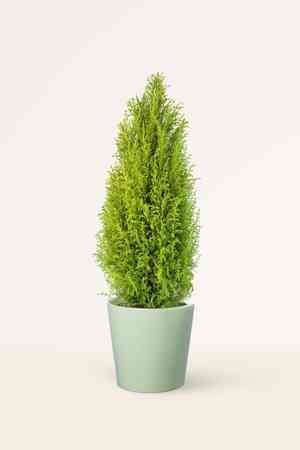
Monterey cypress (Cupressus macrocarpa)
Also known as: Monterey Cypress
The Monterey Cypress (Cupressus macrocarpa) is an evergreen coniferous tree originating from the coastal regions of California. Widely favored for landscaping, it is also sometimes used in furniture making. However, its foliage is harmful to livestock.
In This Article
Attributes of Monterey cypress
Lifespan
Perennial
Plant Type
Tree
Plant Height
40 m
Spread
6 m to 24 m
Leaf Color
Green
Flower Size
2 mm to 3 mm
Flower Color
Yellow
Images of Monterey cypress
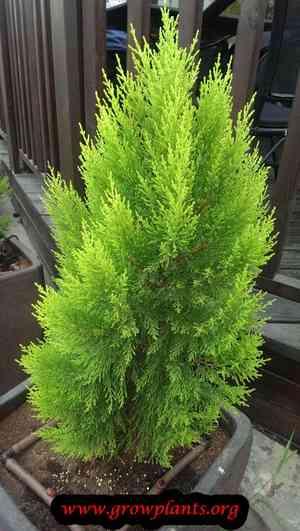
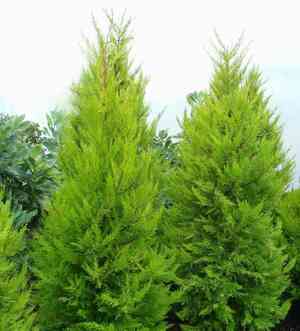
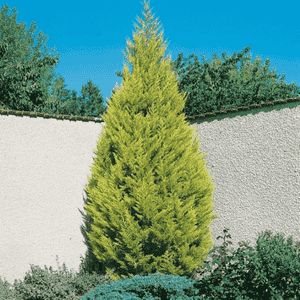
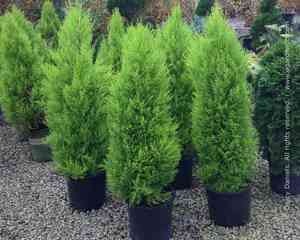
Quickly Identify Monterey cypress
1
Majestic evergreen tree, reaching 40+ feet (12+ meters) in height.
2
Distinctive pyramidal shape in youth, sculpted by coastal winds into unique silhouette.
3
Rugged bark and dense foliage, adapted to coastal winds.
4
Branches and needles arranged in a manner reflecting adaptation to winds.
Scientific Classification of Monterey cypress
Phylum
Vascular plants
Class
Conifers
Order
Pinales
Family
Cypress
Genus
Cypresses
Species
Monterey cypress
Planting and Growing of Monterey cypress
Care Difficulty
Easy
Watering Schedule
Every 2 days
Sunlight Requirements
Full sun
Sunshine Duration
4-8 hours
Ideal Temperature
60-75℉
Soil Type
Potting Mix, Peat Mix
Soil pH
6.5-7.5
Fertilizer Type
Balanced
Pruning Season
Spring, Summer
Pruning Area
Leaves, Branches
Pruning Frequency
2 times a year
Repotting Season
Spring
Pot Type
Plastic, Ceramic
 How to Water Monterey cypress?
When watering Cupressus macrocarpa, ensure that the soil is moist but not waterlogged. The principle is to let the top inch of soil dry out between waterings. This ensures the roots receive adequate moisture without drowning.
More About Watering Techniques→
What are the symptoms of an underwatered Monterey cypress?
›
What should I do if my Monterey cypress is not getting enough water?
›
What are the symptoms of an overwatered Monterey cypress?
›
How to save an overwatered Monterey cypress?
›
 What Are the Sunlight Requirements for Monterey cypress?
Cupressus macrocarpa thrives in full sun to partial sun conditions. This range promotes healthy growth, robust foliage, and disease resistance by ensuring optimal energy intake for photosynthesis.
More About Sunlight Requirements Techniques→
What is the ideal exposure for Cupressus macrocarpa?
›
How to optimize lighting conditions?
›
What benefits does ideal lighting provide?
›
 What Is the Ideal Temperature Range for Monterey cypress?
The ideal temperature range for growing Cupressus macrocarpa is between 60°F and 75°F. This range provides optimal conditions for growth, allowing the plant to photosynthesize efficiently and maintain its metabolic activities. Consistent temperatures within this range also help prevent stress and potential damage to the plant.
 What Soil is Best for Monterey cypress?
Cupressus macrocarpa thrives in well-drained soil to prevent root rot and other water-related issues. Ensuring that your soil has good drainage will help maintain healthy root systems by preventing waterlogging. Rich in organic matter, the soil should provide essential nutrients for growth. By maintaining a nutrient-rich environment, you can promote vigorous growth and increase the overall vitality of the tree. Keeping the soil pH between 6.5 and 7.5 is ideal for nutrient absorption. An optimal pH balance will ensure that nutrients are readily available to the plants, fostering better growth and development.
More About Soil→
 How to Fertilize Monterey cypress?
For Cupressus macrocarpa, it is essential to apply the right amount of fertilizer to support its growth without causing harm. When using liquid fertilizers, use a diluted solution of half-strength every two weeks during the growing season. For slow-release fertilizers, apply approximately 250 grams per plant annually, ensuring even distribution around the root zone.
 How to Prune Monterey cypress?
Start by identifying and removing any dead, diseased, or damaged branches. This process not only tidies up the tree but also prevents the spread of disease and allows more light and air into the canopy. Prune selectively to encourage the growth of strong branches. Cut back weak, spindly growth to a point near the base to stimulate new, vigorous growth that will support the tree's shape. Keep the tree profile from being top-heavy by ensuring the branches at the top are shorter than those at the base. This tapered shape helps with wind resistance and keeps the tree looking natural and balanced.
More About Pruning Techniques→
 How to Propagate Monterey cypress plant?
1
Gather seeds from mature cones of Cupressus macrocarpa in early spring. Ensure seeds are dry and free from any fungal infections before sowing them in seed trays.
2
Select healthy branches and cut sections about 6 inches long. Strip the lower leaves and treat the cut end with rooting hormone to enhance root development.
3
Graft young scions onto a compatible rootstock by making clean cuts and securing them tightly. This method is used to propagate desired traits from one plant to another.
 How to Repot Monterey cypress plant?
1
Cupressus macrocarpa needs repotting when you notice roots circling the pot's bottom or emerging through drainage holes. Soil compacting or water not draining properly are signals too. Ideal times are early Spring or Autumn when growth is active but heat or frost stress is minimal.
2
Select a pot just one size bigger, preferably with good drainage holes. A slightly larger pot prevents water logging, encourages healthy root expansion, and avoids excessive root-bound stress. The material should be durable, like terracotta or resin, allowing the plant to breathe.
3
Opt for well-draining, loamy soil mixed with pine bark or perlite. This blend provides moisture retention while ensuring proper aeration, preventing root rot and supporting healthy nutrient uptake, essential for vibrant growth and a healthy plant.
Toxicity
Ingestion
WARNING
The judgment on toxicity and danger is for reference only. We DO NOT GUARANTEE any accuracy of such judgment. Therefore, you SHALL NOT rely on such judgment. It is IMPORTANT TO SEEK PROFESSIONAL ADVICE in advance when necessary.



