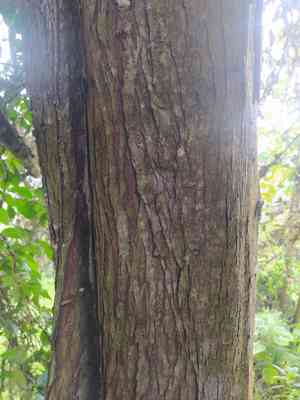
Mexican cypress (Cupressus lusitanica)
Also known as: Mexican white cedar
The Montezuma cypress (Taxodium mucronatum) is a rapidly growing and drought-resilient cypress tree native to Central America and Mexico. While it excels in warmer climates, it does not have strong frost resistance. Despite this, it is commonly cultivated for both ornamental and timber uses.
In This Article
Attributes of Mexican cypress
Lifespan
Perennial
Plant Type
Tree
Plant Height
30 m
Spread
20 m
Leaf Color
Green Blue
Flower Size
3 mm
Flower Color
Yellow Green
Images of Mexican cypress
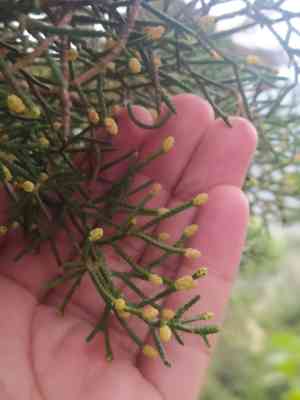
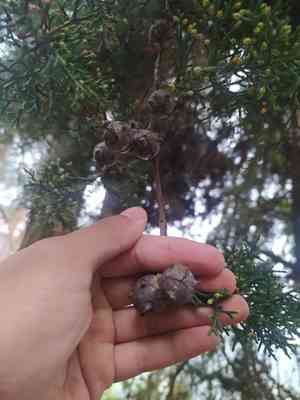
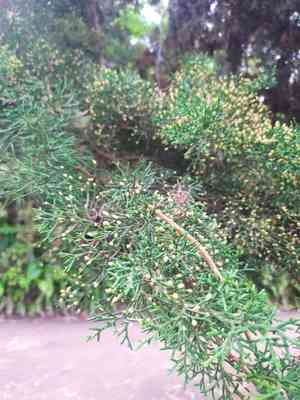
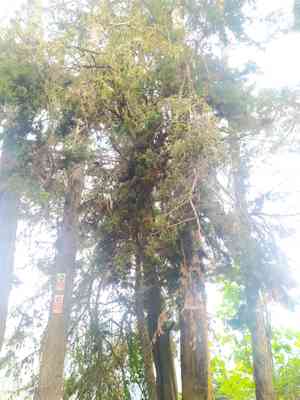
Quickly Identify Mexican cypress
1
The tree can be identified by its scale-like leaves arranged in decussate pairs, its conical crown, and small, round, woody cones. The bark is grayish-brown and fibrous.
Scientific Classification of Mexican cypress
Phylum
Vascular plants
Class
Conifers
Order
Pines and allies
Family
Cypress
Genus
Cypresses
Species
Mexican cypress
Planting and Growing of Mexican cypress
Care Difficulty
Easy
Watering Schedule
Every 4 days
Sunlight Requirements
Full sun
Sunshine Duration
10-14 hours
Ideal Temperature
60-75℉
Soil Type
Potting Mix, Peat Mix
Soil pH
6.5-7.5
Fertilizer Type
Balanced
Pruning Season
Spring, Summer
Pruning Area
Branches, Leaves
Pruning Frequency
2 times a year
Repotting Season
Spring
Pot Type
Plastic, Ceramic
 How to Water Mexican cypress?
When watering Cupressus lusitanica, aim to moisten the soil thoroughly without causing waterlogging. Water until it starts to drain from the bottom of the container. A well-draining soil mix helps prevent overwatering, which the roots dislike.
What are the symptoms of an underwatered Mexican cypress?
›
What should I do if my Mexican cypress is not getting enough water?
›
What are the symptoms of an overwatered Mexican cypress?
›
How to save an overwatered Mexican cypress?
›
 What Are the Sunlight Requirements for Mexican cypress?
Cupressus lusitanica thrives in environments that receive full to partial sun, ideally around 6-8 hours of exposure daily. Adequate light promotes strong, bushy foliage and enhances resistance to pests and diseases.
More About Sunlight Requirements Techniques→
Optimal Sunlight Duration
›
Seasonal Sunlight Adjustments
›
Monitoring and Adjustment
›
 What Is the Ideal Temperature Range for Mexican cypress?
Cupressus lusitanica thrives best in a temperature range between 60°F and 75°F. This ideal range ensures proper growth and development, providing the right conditions for photosynthesis and enzymatic activities necessary for the plant's health. Consistent temperatures within this range minimize stress and promote lush foliage.
 What Soil is Best for Mexican cypress?
The soil should ensure excellent drainage to prevent waterlogging. This requirement is beneficial as it helps the plant avoid root rot and encourages robust growth. While Cupressus lusitanica is not particularly fussy about nutrients, moderately fertile soil can support healthier foliage and faster development. Soil should be loose enough to allow oxygen to reach the roots. This crucial requirement enhances root health and facilitates nutrient uptake.
 How to Fertilize Mexican cypress?
When fertilizing Cupressus lusitanica, it is crucial to use a balanced fertilizer with an NPK ratio of 10-10-10. Typically, around 10g per square meter is optimal to ensure sufficient nutrients without risking over-fertilization.
 How to Prune Mexican cypress?
Start your pruning by walking around the tree and identifying dead, diseased, or damaged branches. Remove these first, cutting back to a healthy part of the branch or the main stem. Prune to maintain the desired shape, usually a conical form. Use slow, deliberate cuts to ensure you don't remove too much. Step back frequently to assess your work from a distance. Thin out crowded areas to improve air circulation within the canopy. This helps prevent fungal diseases and allows sunlight to penetrate, promoting even foliage throughout. After pruning, collect all cuttings and dispose of them properly. Leaving debris around can attract pests and diseases back to the healthy tree.
More About Pruning Techniques→
 How to Propagate Mexican cypress plant?
1
Gather seeds from mature cones and stratify them in moist sand at a temperature of 1-5°C for 4 to 6 weeks. This cold treatment mimics natural winter conditions, ensuring better germination rates when planted.
2
Select healthy young branches for cuttings, approximately 4 to 6 inches long, and remove any foliage from the lower half to prevent rot. Dip the cuttings in rooting hormone to promote root development.
3
Use a well-draining soil mix to plant seeds or cuttings about an inch deep, ensuring they are firmed in place but not compacted. Keep the soil moist but not waterlogged to avoid fungal infections.
 How to Repot Mexican cypress plant?
1
Cupressus lusitanica should be repotted when you notice roots coming out of the drainage holes, or the soil no longer retains moisture. Another sign is stunted growth, indicating the plant has outgrown its pot.
2
Select a pot that is only one size larger than the current one to avoid excessive soil moisture, which can lead to root rot. A clay pot is ideal because it allows better airflow and helps moderate soil humidity.
3
Opt for a well-draining loamy soil mix that replicates the tree's natural habitat. This type of soil promotes healthy root development and prevents waterlogging, ensuring the plant remains healthy.



