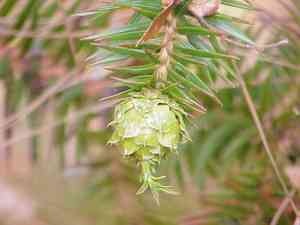
China-fir (Cunninghamia) (Cunninghamia)
Also known as: China Fir
China-fir trees are highly valued for their versatile applications. They are primarily used for durable timber in construction, furniture making, and shipbuilding. Additionally, they serve as a source for pulpwood in paper production. Beyond their industrial uses, China-fir trees are also planted for ornamental purposes in parks and gardens. In traditional Chinese medicine, various parts of the tree are utilized for their medicinal properties. Moreover, they play a significant role in reforestation efforts due to their rapid growth.
In This Article
Attributes of China-fir (Cunninghamia)
Lifespan
Perennial
Plant Height
Up to 30 meters
Spread
Up to 10 meters
Leaf Color
Dark green
Flower Size
N/A (non-flowering)
Flower Color
N/A (non-flowering)
Images of China-fir (Cunninghamia)
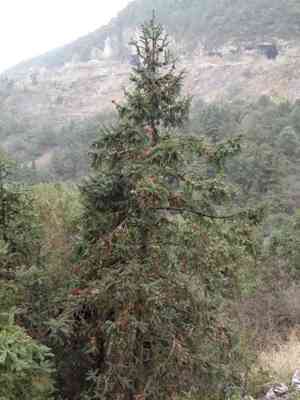
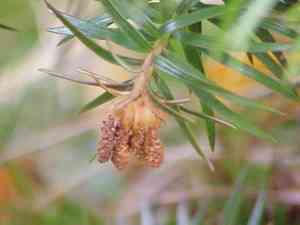
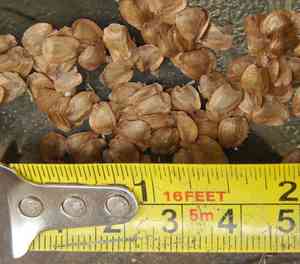
Quickly Identify China-fir (Cunninghamia)
1
Cunninghamia trees can be identified by their dark green, spirally arranged, needle-like leaves that are sharply pointed. The cones are small and woody, often appearing in clusters.
Scientific Classification of China-fir (Cunninghamia)
Phylum
Tracheophyta
Class
Pinopsida
Order
Pinales
Family
Cupressaceae
Genus
Cunninghamia
Planting and Growing of China-fir (Cunninghamia)
Care Difficulty
Moderate
Watering Schedule
Every 3 days
Sunlight Requirements
Full sun
Sunshine Duration
4-8 hours
Ideal Temperature
60-75℉
Soil Type
Potting Mix, Peat Mix
Soil pH
6-7.5
Fertilizer Type
Balanced
Pruning Season
Spring, Summer
Pruning Area
Branches, Leaves
Pruning Frequency
2 times a year
Repotting Season
Spring
Pot Type
Plastic, Ceramic
 How to Water China-fir (Cunninghamia)?
Ensure that the soil is thoroughly moist but not waterlogged each time you water. Cunninghamia prefers soil that is consistently moist. The water should reach a depth of at least a few inches to ensure the roots are hydrated, typically requiring around 500 ml per watering session.
What are the symptoms of an underwatered China-fir (Cunninghamia)?
›
What should I do if my China-fir (Cunninghamia) is not getting enough water?
›
What are the symptoms of an overwatered China-fir (Cunninghamia)?
›
How to save an overwatered China-fir (Cunninghamia)?
›
 What Are the Sunlight Requirements for China-fir (Cunninghamia)?
Partial to full sunlight ensures Cunninghamia grows vigorously. The optimal light range boosts photosynthesis, promoting lush foliage and strong structural development.
How much sun does Cunninghamia need?
›
What is the optimal setting for Cunninghamia?
›
How can I ensure optimal sunlight for Cunninghamia?
›
 What Is the Ideal Temperature Range for China-fir (Cunninghamia)?
For optimal growth, Cunninghamia thrives in moderate temperatures. The ideal range of 60°F to 75°F ensures that this plant has sufficient warmth to support active cellular processes without exposing it to stress from excessive temperature extremes. This range mimics the mild, temperate conditions typical of its native habitat, promoting robust development and vitality.
 What Soil is Best for China-fir (Cunninghamia)?
Cunninghamia thrives best in well-drained soil that prevents water from standing around the roots. This ensures the roots remain aerated, reducing the risk of root rot and promoting healthier growth. The plant flourishes in nutrient-rich substrates that provide essential minerals and nutrients. This leads to vigorous growth, lush foliage, and enhances the plant’s resilience to pests and diseases. Cunninghamia prefers soil that is consistently moist but not waterlogged, mimicking its natural habitat. This helps in maintaining turgor pressure in cells, keeping the plant firm and healthy.
 How to Fertilize China-fir (Cunninghamia)?
When fertilizing Cunninghamia, it's important to use a balanced fertilizer with a ratio of 10-10-10 or similar. For liquid fertilizer, use about 1 tablespoon per gallon of water. For slow-release granular fertilizers, apply 1 to 2 pounds per plant per year, depending on the size and age of the tree.
 How to Prune China-fir (Cunninghamia)?
Begin by removing any dead, damaged, or diseased branches. This encourages healthy growth and minimizes the risk of infection spreading to the rest of the tree. Trim the outermost twigs to maintain the tree's natural shape. Make sure to follow the tree's natural growth patterns to preserve its aesthetic form. After initial pruning, step back and assess the tree's appearance. Ensure that the tree has a balanced look and that sunlight can penetrate effectively through the branches.
 How to Propagate China-fir (Cunninghamia) plant?
1
Begin by soaking the seeds in water for 24 hours to improve germination rates. This process helps soften the seed coat, allowing the seedling to emerge more easily.
2
Place the seeds in a seed tray filled with a sterile starting medium. Cover them lightly with soil and water gently to avoid displacing them.
3
Select healthy stems and cut just below a node. Remove any lower leaves and dip the cut end in a rooting hormone to encourage root formation.
 How to Repot China-fir (Cunninghamia) plant?
1
Cunninghamia should be repotted when you notice the roots are growing out of the drainage holes or circling the pot. Another sign is slowed growth, indicating the plant is root-bound. Repotting during the growing seasons of spring or summer ensures optimal recovery and growth.
2
Select a pot that is one size larger than the current pot, with good drainage. Choosing a well-ventilated pot prevents waterlogging, promoting healthy root growth and reducing the risk of root rot. The material should also be sturdy enough to support the weight of Cunninghamia.
3
Opt for well-draining loamy soil, enriched with organic matter. This soil type provides adequate nutrients while ensuring proper aeration and moisture regulation, perfect for Cunninghamia's growth. Avoid compacted soils, which can trap water and suffocate roots.

