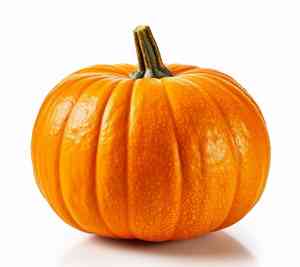
Field pumpkin (Cucurbita pepo)
Also known as: Calabaza
Field pumpkins are widely used as decorative items during autumn and especially for Halloween, where they are often carved into jack-o'-lanterns. Though the flesh isn't typically favored for its taste, the seeds can be roasted with salt for a tasty snack. They also play a role in festive displays and harvest-themed decorations.
In This Article
Attributes of Field pumpkin
Lifespan
Annual, Perennial
Plant Type
Vine, Herb
Plant Height
30 cm to 76 cm
Spread
90 cm to 5 m
Leaf Color
Green
Flower Size
3 cm
Flower Color
Yellow
Images of Field pumpkin
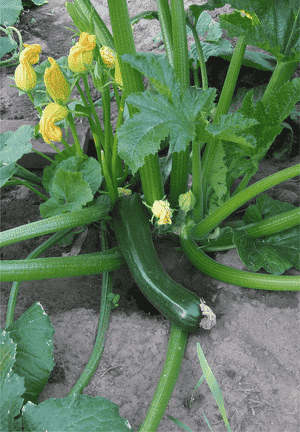
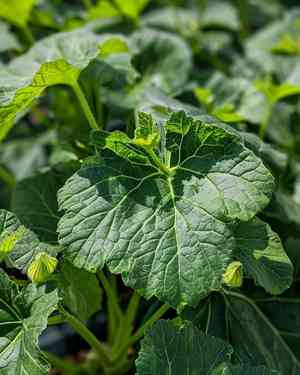
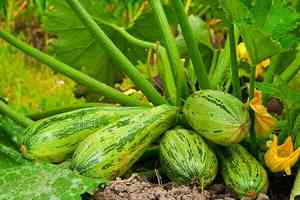
Quickly Identify Field pumpkin
1
Large, slightly lobed leaves with a coarse texture.
2
Vibrant yellow flowers with distinct male and female blossoms.
3
Fruit exhibits a diverse shape and variegated coloration.
4
Robust, dark green stem with prominent ridges and tendrils.
5
Leaves with palmate lobing, up to 10 inches (25 cm) across.
Scientific Classification of Field pumpkin
Phylum
Vascular plants
Class
Dicotyledons
Order
Cucurbitales
Family
Gourd
Genus
Squashes
Species
Field pumpkin
Planting and Growing of Field pumpkin
Care Difficulty
Easy
Watering Schedule
Every 8 days
Sunlight Requirements
Full sun
Sunshine Duration
4-8 hours
Ideal Temperature
68-77℉
Soil Type
Potting Mix, Peat Mix
Soil pH
6-7.5
Fertilizer Type
Balanced
Pruning Season
Spring, Summer
Pruning Area
Branches, Leaves
Pruning Frequency
2 times a year
Repotting Season
Spring
Pot Type
Plastic, Terracotta
 How to Water Field pumpkin?
For Cucurbita pepo, it's essential to water deeply enough so that the roots receive adequate moisture but without drowning them. About 1000 ml per session ensures the soil is sufficiently moist but not waterlogged, maintaining a fine balance between hydration and air pockets within the soil. This amount ensures that the plant receives enough moisture to support its rapid growth, especially during flowering and fruiting stages.
More About Watering Techniques→
What are the symptoms of an underwatered Field pumpkin?
›
What should I do if my Field pumpkin is not getting enough water?
›
What are the symptoms of an overwatered Field pumpkin?
›
How to save an overwatered Field pumpkin?
›
 What Are the Sunlight Requirements for Field pumpkin?
Cucurbita pepo thrives in full sun, which encourages optimal growth, robust foliage, and plentiful fruit production. Exposure to 6 to 8 hours of direct sunlight daily is ideal.
More About Sunlight Requirements Techniques→
What is the ideal amount of sunlight for Cucurbita pepo?
›
Where should I position Cucurbita pepo to get the best light?
›
What are the benefits of ideal sunlight exposure?
›
 What Is the Ideal Temperature Range for Field pumpkin?
Cucurbita pepo thrives best within a temperature range of 68 to 77 degrees Fahrenheit. This provides optimal conditions for growth, including proper flowering and fruit development. Staying within this range ensures that the plant reaches its fullest potential in terms of productivity. Deviations from this range can lead to reduced growth and yield, making management of temperature a crucial aspect of cultivation.
 What Soil is Best for Field pumpkin?
Cucurbita pepo thrives in well-drained soil, which prevents waterlogging and root rot. Ensuring proper drainage promotes healthy root growth and supports vigorous plant development, leading to a bountiful harvest. This plant requires nutrient-rich soil to support its rapid growth cycle. Amending the soil with organic matter like compost enhances fertility, leading to robust vine growth and fruitful yield. While Cucurbita pepo demands good drainage, maintaining consistent moisture levels is crucial. Mulching helps retain soil moisture, preventing stress during dry spells and encouraging continuous flowering and fruiting.
More About Soil→
 How to Fertilize Field pumpkin?
For Cucurbita pepo, it's important to use a balanced fertilizer with equal parts of nitrogen, phosphorus, and potassium. Typically, applying 1 to 2 pounds of fertilizer per 100 square feet is sufficient. This ensures the plant receives enough nutrients without the risk of over-fertilization.
More About Fertilizing Techniques→
 How to Prune Field pumpkin?
To begin pruning Cucurbita pepo, identify the main stems and side branches. Use sharp, sterilized pruning shears to remove any damaged or diseased leaves, cutting at the base of the stem. Focus on creating an open center by removing inward-growing branches, which improves air circulation and reduces the risk of mildew. Regularly pinch back growing tips to encourage more bushy growth and increased fruit production. Lastly, remove any yellowing or old leaves, as they will not contribute much to the plant’s productivity and can harbor pests. Start by observing your plant and decide which parts to prune to encourage better sunlight penetration. Gently lift branches to inspect undergrowth for the best results. Trim selectively to maintain the plant's desired shape and size, removing up to one-third of the plant's mass at any time to avoid stressing it excessively. For runner types, trim the vines after the formation of the first few fruits to manage the plant's energy usage effectively.
More About Pruning Techniques→
 How to Propagate Field pumpkin plant?
1
Choose high-quality seeds from a reputable supplier to ensure better germination rates. Inspect the seeds for any signs of damage or disease. Fresher seeds typically offer better success rates.
2
Prepare a well-draining, nutrient-rich soil mix. Combine equal parts of peat moss, vermiculite, and perlite for a balanced blend. This will provide an optimal growing environment for the seeds.
3
Plant the seeds at a depth of around 1 inch in moistened soil. Space them adequately apart to allow for growth. Cover them lightly with soil and gently firm the surface to enhance seed-soil contact.
 How to Repot Field pumpkin plant?
1
Cucurbita pepo shows it needs repotting when its roots begin circling the pot, emerging through drainage holes, or the plant appears stunted despite adequate care. Additionally, if water drains too quickly or the soil appears tightly bound, it's time for a new pot.
2
Select a pot that is 2-3 inches larger in diameter than the current one. This allows enough space for root growth without overwhelming the plant, which helps reduce the risk of overwatering. Ensure the pot has drainage holes to prevent waterlogging.
3
Choose a well-draining potting mix rich in nutrients. This type of soil ensures the roots receive enough oxygen and reduces the chance of root rot, while supporting healthy growth. An ideal mix might include ingredients like peat moss, perlite, and compost.



