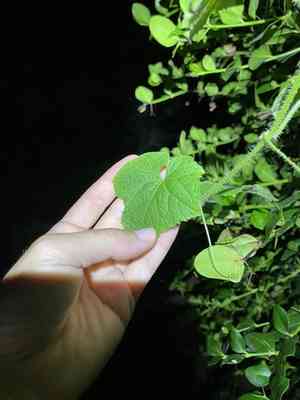
African horned cucumber (Cucumis metuliferus)
Also known as: Horned melon, Kiwano
The African horned cucumber, also known as the horned melon, stands out due to its distinctive horn-like spikes. This fruit serves as a valuable water source in the Kalahari Desert during dry periods. When fully ripe, it splits open, dispersing its many seeds.
In This Article
Attributes of African horned cucumber
Lifespan
Annual
Plant Type
Herb, Vine
Plant Height
2.5 m
Spread
2.5 m
Leaf Color
Green
Flower Size
2.5 cm
Flower Color
Yellow Green
Images of African horned cucumber
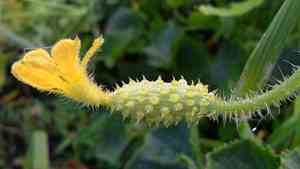
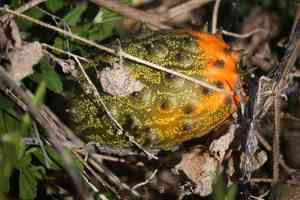
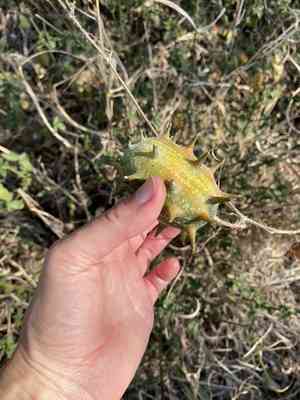
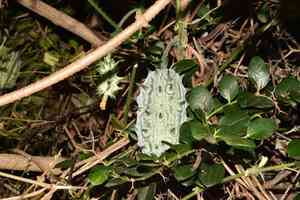
Quickly Identify African horned cucumber
1
Cucumis metuliferus can be identified by its spiky orange rind and green jelly-like interior. The leaves are heart-shaped with lobes, and the vine has tendrils that help it climb.
Scientific Classification of African horned cucumber
Phylum
Vascular plants
Class
Dicotyledons
Order
Cucurbitales
Family
Gourd
Genus
Melon
Species
African horned cucumber
Planting and Growing of African horned cucumber
Care Difficulty
Moderate
Watering Schedule
Every 3 days
Sunlight Requirements
Full sun
Sunshine Duration
6-10 hours
Ideal Temperature
68-77℉
Soil Type
Potting Mix, Peat Mix
Soil pH
6.5-7.5
Fertilizer Type
Balanced
Pruning Season
Spring, Summer
Pruning Area
Branches, Leaves
Pruning Frequency
2 times a year
Repotting Season
Spring
Pot Type
Terracotta, Plastic
 How to Water African horned cucumber?
Cucumis metuliferus requires approximately 500 ml of water per session. This plant prefers its soil to be evenly moist but not waterlogged. When watering, ensure the top layer of soil has dried slightly to avoid root rot. Consistent moisture is key, but over-saturation should be avoided.
More About Watering Techniques→
What are the symptoms of an underwatered African horned cucumber?
›
What should I do if my African horned cucumber is not getting enough water?
›
What are the symptoms of an overwatered African horned cucumber?
›
How to save an overwatered African horned cucumber?
›
 What Are the Sunlight Requirements for African horned cucumber?
Ideal light includes full sun or at least a few hours of strong light daily, which supports healthy foliage and fruit development, ensuring the plant's maximum growth potential.
More About Sunlight Requirements Techniques→
What type of sunlight does it need?
›
How can I achieve ideal lighting?
›
What are the benefits of ideal lighting?
›
 What Is the Ideal Temperature Range for African horned cucumber?
The ideal temperature range for growing Cucumis metuliferus is between 68°F to 77°F. This range supports optimal photosynthesis and growth, ensuring the plant maintains its vigor and yields quality fruit. Deviations from this temperature range can stress the plant, affecting its ability to thrive and produce.
 What Soil is Best for African horned cucumber?
Cucumis metuliferus thrives in soil that offers excellent drainage. This requirement is beneficial as it prevents root rot and ensures that the plant has adequate access to necessary oxygen and nutrients. The plant requires soil rich in organic matter to support its vigorous growth. Such soil provides the essential nutrients and encourages microbial activity, crucial for nutrient uptake. While it's important for the soil to drain well, it should also retain enough moisture to avoid drying out quickly. This balance helps maintain consistent moisture levels for optimal plant health.
More About Soil→
 How to Fertilize African horned cucumber?
For Cucumis metuliferus, it's essential to use a balanced fertilizer with an N-P-K ratio of approximately 10-10-10. You should apply about 1 tablespoon per gallon of water for liquid fertilizer or 2 tablespoons per square foot for slow-release fertilizer. This ensures the plant receives the necessary nutrients without being overwhelmed.
 How to Prune African horned cucumber?
Examine the plant to locate any dead, diseased, or overlapping stems. These should be your primary targets for pruning as they can hinder plant growth and reduce fruit production. Create space by pruning dense clusters of stems. This helps improve airflow throughout the plant, reducing the chances of pest infestations and diseases while allowing sunlight to penetrate deeper. Regularly trim back overgrown branches to maintain a balanced shape. This encourages more uniform growth and makes the plant easier to manage overall, ensuring it thrives throughout the growing seasons.
More About Pruning Techniques→
 How to Propagate African horned cucumber plant?
1
Start by soaking the seeds of Cucumis metuliferus in warm water for 24 hours. This will help to soften the seed coat and promote faster germination.
2
Sow the seeds in seedling trays filled with well-draining potting mix. Cover the seeds lightly with soil and water gently to keep the soil moist but not waterlogged.
3
Select healthy, disease-free stems and cut them using pruning shears. Insert the cuttings into a potting mix and maintain humidity to encourage root development.
 How to Repot African horned cucumber plant?
1
The ideal time to repot Cucumis metuliferus is when it shows signs of being root-bound, such as roots poking out of the drainage holes or the plant's growth becoming stunted. Repot during spring or summer when the plant is actively growing for the best results.
2
Choose a pot that's only slightly larger than the current one to prevent overwatering. A pot with drainage holes is essential to avoid water stagnation, which can cause root rot. This encourages root expansion and healthier growth in Cucumis metuliferus.
3
Opt for a well-draining potting mix that mimics the plant’s natural environment. A mix with perlite or sand enhances drainage, preventing water from pooling at the roots, which is critical to prevent root disease and maintain the plant’s vibrant health.



