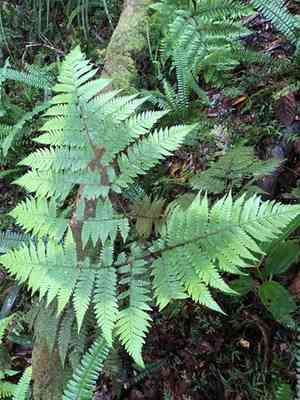
Sub-glandulose ctenitis fern (Ctenitis subglandulosa)
Also known as: None known
The sub-glandulose ctenitis fern, while not often cultivated, is commonly found in its native regions. It prefers alkaline soil, often associated with limestone environments. The fern also exhibits a wide range of appearances.
In This Article
Attributes of Sub-glandulose ctenitis fern
Lifespan
Perennial
Plant Type
Herb
Plant Height
1 m
Spread
45 cm
Leaf Color
Dark green
Flower Size
N/A - This species does not produce flowers
Flower Color
N/A - This species does not produce flowers
Images of Sub-glandulose ctenitis fern
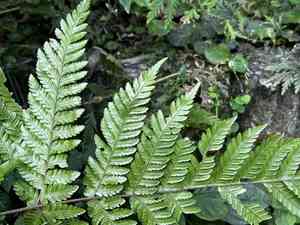
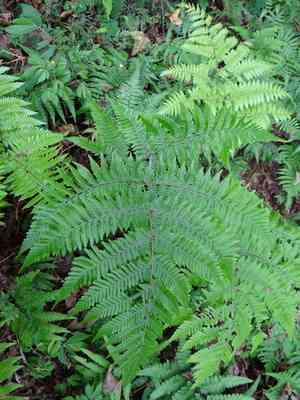
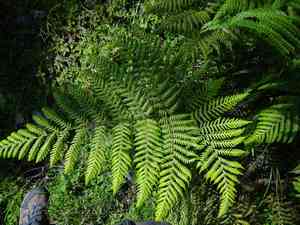
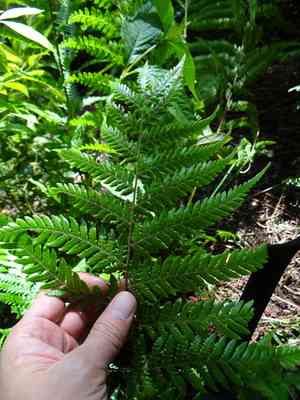
Quickly Identify Sub-glandulose ctenitis fern
1
Ctenitis subglandulosa can be identified by its bipinnate fronds, which are broad and finely divided. The fern also has a characteristic lack of glandular hairs, differentiating it from other members of the genus.
Scientific Classification of Sub-glandulose ctenitis fern
Phylum
Vascular plants
Class
Ferns
Order
Polypodiales
Family
Wood fern
Genus
Comb ferns
Species
Sub-glandulose ctenitis fern
Planting and Growing of Sub-glandulose ctenitis fern
Care Difficulty
Moderate
Watering Schedule
Every 2 days
Sunlight Requirements
Partial sun
Sunshine Duration
6-10 hours
Ideal Temperature
60-75℉
Soil Type
Potting Mix, Peat Mix
Soil pH
6.5-7.5
Fertilizer Type
Balanced
Pruning Season
Spring, Summer
Pruning Area
Branches, Leaves
Pruning Frequency
2 times a year
Repotting Season
Spring
Pot Type
Plastic, Terracotta
 How to Water Sub-glandulose ctenitis fern?
For Ctenitis subglandulosa, it's crucial to water enough to moisten the soil thoroughly, but not so much that water pools at the base. The aim is to provide about 250 ml of water per session, ensuring even distribution throughout the soil without waterlogging.
What are the symptoms of an underwatered Sub-glandulose ctenitis fern?
›
What should I do if my Sub-glandulose ctenitis fern is not getting enough water?
›
What are the symptoms of an overwatered Sub-glandulose ctenitis fern?
›
How to save an overwatered Sub-glandulose ctenitis fern?
›
 What Are the Sunlight Requirements for Sub-glandulose ctenitis fern?
Ctenitis subglandulosa thrives best with partial sunlight exposure, receiving dappled light throughout the day. This balance stimulates healthy frond growth and maintains its deep green color without stress.
What type of sunlight does Ctenitis subglandulosa prefer?
›
How to ensure optimal lighting for this plant?
›
What are the benefits of ideal lighting conditions?
›
 What Is the Ideal Temperature Range for Sub-glandulose ctenitis fern?
Ctenitis subglandulosa grows best in a temperature range of 60 to 75°F. This range allows the plant to photosynthesize efficiently and have optimal metabolic functions, promoting robust growth and development.
 What Soil is Best for Sub-glandulose ctenitis fern?
Ctenitis subglandulosa thrives in soil that retains moisture but does not stay waterlogged. This allows the roots to stay hydrated without the risk of root rot, promoting lush growth and healthy foliage. The plant benefits from loamy soil enriched with organic matter. Rich nutrients support vigorous growth and ensure the plant develops a robust structure, crucial for ferns. A slightly acidic to neutral pH is ideal. This range supports optimal nutrient uptake and helps Ctenitis subglandulosa maintain its vibrant green color and overall health.
 How to Fertilize Sub-glandulose ctenitis fern?
For Ctenitis subglandulosa, apply liquid fertilizer at half the manufacturer's recommended strength. It's essential to avoid fertilizer burn caused by over-fertilization. Liquid fertilizers ensure quick nutrient uptake, but they should be meticulously measured to provide the right balance.
 How to Prune Sub-glandulose ctenitis fern?
Begin by thoroughly assessing your Ctenitis subglandulosa. Look for dead, damaged, or diseased fronds that need removal. Healthy fronds should be firm and vibrant in color. First, remove any dead or yellowing fronds at the base. Make a clean cut close to the stem to ensure the healthy part of the plant is not damaged during the process. Identify and prune areas where fronds are overcrowded to enhance air circulation within the plant. This will help to reduce the risk of fungal diseases, making sure each frond has enough space to thrive.
More About Pruning Techniques→
 How to Propagate Sub-glandulose ctenitis fern plant?
1
Ensure the mother plant is healthy and adequately watered before division. This increases the chances of survival and establishment of the new plants.
2
Use a sharp spade to divide the root mass carefully, ensuring each section has enough roots and foliage to support itself. This helps in faster recovery and growth after planting.
3
Place each divided section in a separate container with suitable soil mix. Make sure they are planted at the same depth they were in originally to promote root establishment.
 How to Repot Sub-glandulose ctenitis fern plant?
1
Look for signs like slowed growth, roots emerging from drainage holes, or soil that retains water too long. These indicate it's time to repot Ctenitis subglandulosa, ensuring its continued health and vibrancy.
2
Choose a pot that is 1-2 inches larger in diameter than the current one. This allows ample space for root expansion, promotes better water retention and drainage balance, aiding in preventing root rot while providing structural support.
3
Opt for well-draining, rich loamy soil. This type of soil offers essential nutrients while enabling excellent water drainage, which prevents root suffocation and supports healthy plant growth over time.



