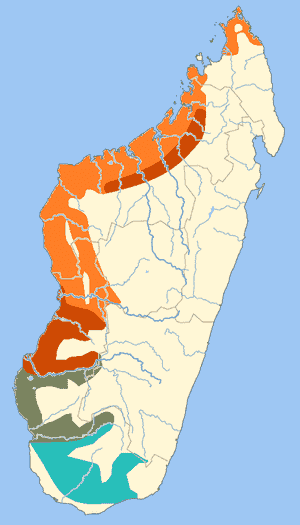
Rubbervines (Cryptostegia) (Cryptostegia)
Also known as: Purple Allamanda, Rubber Vine
Rubbervines are known for their glossy foliage and striking trumpet-shaped flowers, usually in shades of purple or pink. These climbing plants thrive in tropical climates, often sprawling over trees, structures, and open land. Historically, their milky latex sap has been tapped for rubber production, and the vines have been used to craft ropes and nets. Despite these uses, rubbervines are considered invasive in various regions, where they can smother native plants and disrupt ecosystems.
In This Article
Attributes of Rubbervines (Cryptostegia)
Lifespan
Perennial
Plant Height
3-6 meters
Spread
2-4 meters
Leaf Color
Dark Green
Flower Size
5-7 cm
Flower Color
Purple, Pink
Images of Rubbervines (Cryptostegia)
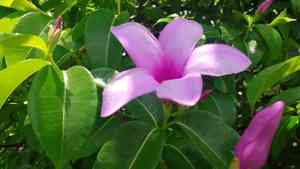
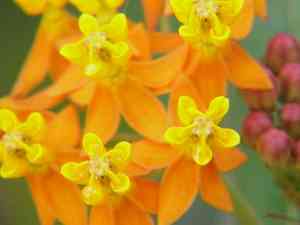
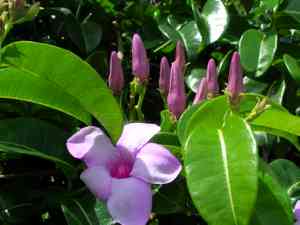
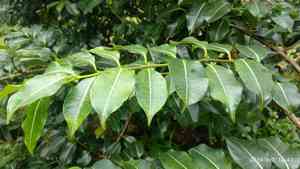
Quickly Identify Rubbervines (Cryptostegia)
1
Cryptostegia can be identified by its glossy, dark green leaves and large, bell-shaped flowers that range from purple to pink. The plant produces a milky sap when cut, which is another distinctive feature. The flowers usually have five petals and are quite showy.
Scientific Classification of Rubbervines (Cryptostegia)
Phylum
Tracheophyta
Class
Magnoliopsida
Order
Gentianales
Family
Apocynaceae
Genus
Cryptostegia
Planting and Growing of Rubbervines (Cryptostegia)
Care Difficulty
Hard
Watering Schedule
Every 2 days
Sunlight Requirements
Full sun
Sunshine Duration
4-8 hours
Ideal Temperature
70-85℉
Soil Type
Potting Mix, Peat Mix
Soil pH
6.5-7.5
Fertilizer Type
Balanced
Pruning Season
Spring, Summer
Pruning Area
Branches, Leaves
Pruning Frequency
2 times a year
Repotting Season
Spring
Pot Type
Plastic, Ceramic
 How to Water Rubbervines (Cryptostegia)?
For Cryptostegia, ensuring the right watering amount is crucial. Aim to water around 250 milliliters each time; the soil should be moist but not waterlogged. This plant prefers to dry out slightly between waterings, so check that the top inch of soil feels dry before watering again. This approximation ensures the roots remain healthy without being drowned.
What are the symptoms of an underwatered Rubbervines (Cryptostegia)?
›
What should I do if my Rubbervines (Cryptostegia) is not getting enough water?
›
What are the symptoms of an overwatered Rubbervines (Cryptostegia)?
›
How to save an overwatered Rubbervines (Cryptostegia)?
›
 What Are the Sunlight Requirements for Rubbervines (Cryptostegia)?
Cryptostegia prefers full sun exposure, which supports healthy growth and flower blooming. Ideal light assures optimal photosynthetic activity, resulting in vibrant and robust plant life.
What is the ideal lighting for Cryptostegia?
›
How to achieve ideal lighting conditions?
›
Benefits of optimal lighting for Cryptostegia
›
 What Is the Ideal Temperature Range for Rubbervines (Cryptostegia)?
The ideal temperature range for Cryptostegia, commonly known as rubber vine, is between 70°F and 85°F. This range is considered optimal for maximizing growth and ensuring the healthy development of the plant. In this temperature range, the plant can efficiently perform vital functions such as photosynthesis and respiration without undue stress.
 What Soil is Best for Rubbervines (Cryptostegia)?
Cryptostegia thrives in well-drained soils that prevent water accumulation, which can lead to root rot. This ensures the roots get plenty of oxygen and stay healthy. A nutrient-rich soil helps Cryptostegia grow vigorously, supporting its glossy leaves and vibrant flowers. This plant appreciates soils enhanced with organic matter. The soil should retain enough moisture to keep Cryptostegia hydrated but not too much to prevent waterlogging. This balance aids in consistent physiological functions.
 How to Fertilize Rubbervines (Cryptostegia)?
Cryptostegia requires a balanced and moderate amount of fertilizer. Use a well-balanced liquid fertilizer, such as a 10-10-10 NPK formula, diluted to half strength. For slow-release fertilizers, follow the manufacturer’s instructions, as these are designed to release nutrients gradually over time. Excessive fertilizer may harm the plant, while too little might not provide sufficient nutrients.
 How to Prune Rubbervines (Cryptostegia)?
Use clean, sharp pruning shears to make precise cuts. The sharper the tool, the healthier the cut, minimizing the risk of damaging the plant and encouraging quicker recovery. Ensure to sterilize the tools before and after to prevent the spread of any disease. Begin by removing dead, diseased, or damaged branches to improve the plant's health. Next, target wayward or crossing branches to refine its shape. Aim to open up the center of the plant, encouraging air circulation and light penetration. Cryptostegia can be quite vigorous, so don't be afraid to cut back boldly. Focus on trimming the older wood to stimulate new growth, and keep the plant at a manageable size. Aim for a balanced form, considering its natural growth habit.
 How to Propagate Rubbervines (Cryptostegia) plant?
1
Gather ripe seeds from the plant, ensuring they are fully developed for optimal germination success. Clean them properly to remove any pulp or residue that may cause mold growth during storage.
2
Choose healthy, non-flowering stems and cut them at an angle below a leaf node. The ideal length for cuttings should be around 4 to 6 inches, with at least two leave nodes on each cutting.
3
Sow the seeds in a tray filled with a moist, sterile seed starting mix. Cover them lightly with soil and place the tray in a warm, bright area, maintaining consistent moisture for successful germination.
 How to Repot Rubbervines (Cryptostegia) plant?
1
Cryptostegia requires repotting when its roots start to emerge from the drainage holes, indicating they are becoming root-bound. It's also time to repot if the soil feels too compacted or drainage becomes poor. Performing this task during its active growing seasons, spring or summer, ensures minimal stress and encourages healthy development.
2
Select a pot that's only one size larger than the current one, ensuring it has good drainage holes. A slightly larger pot promotes adequate space for root expansion without overwhelming the plant, while proper drainage prevents water-logging, which could lead to root rot.
3
Opt for a well-draining sandy loam that mimics the plant's natural environment. This soil type offers a blend that retains necessary moisture while allowing excess water to escape, preventing root issues and fungus.
Toxicity
Ingestion, contact with sap
WARNING
The judgment on toxicity and danger is for reference only. We DO NOT GUARANTEE any accuracy of such judgment. Therefore, you SHALL NOT rely on such judgment. It is IMPORTANT TO SEEK PROFESSIONAL ADVICE in advance when necessary.
Learn More About Rubbervines (Cryptostegia) Diseases
Anthracnose
Bacterial Leaf Spot
Bacterial Wilt
Crown Gall
Damping-off
Downy Mildew
Drought Stress
Fusarium Wilt
Gray Mold
Leaf Curl
Leaf Spot
Mosaic
Nutrient Deficiency
Nutrient Toxicity
Powdery Mildew
Root Rot
Root-knot Nematode
Rusts
Sooty Mold
Spider Mites
Temperature Stress
Thrips Damage
White Mold

