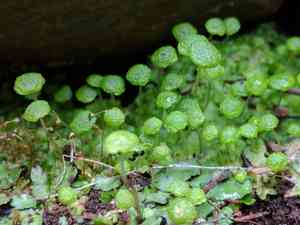
Cryptomitrium tenerum (Cryptomitrium tenerum)
Also known as: None
Cryptomitrium tenerum, a delicate liverwort, favors damp, shaded areas such as forest floors, stream banks, or decaying logs. It often forms dense, green mats and contributes significantly to the biodiversity of its habitat.
In This Article
Attributes of Cryptomitrium tenerum
Lifespan
Perennial
Plant Height
Up to 3 cm
Spread
N/A
Leaf Color
N/A
Flower Size
N/A
Flower Color
N/A
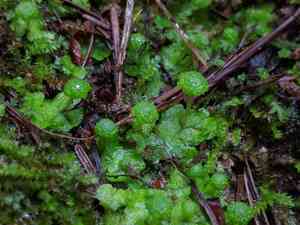
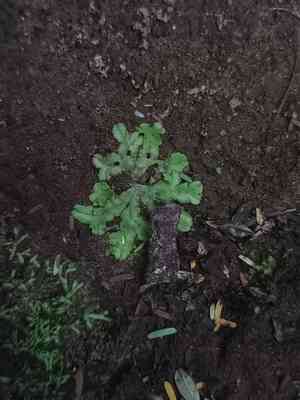
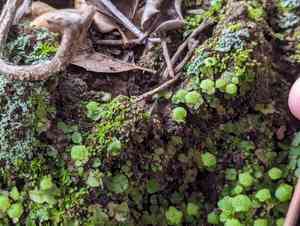
Images of Cryptomitrium tenerum
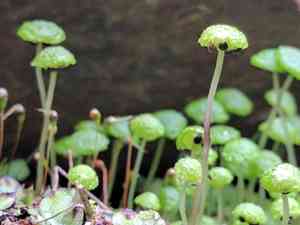
Quickly Identify Cryptomitrium tenerum
1
Cryptomitrium tenerum can be identified by its translucent thallus that is often green to light brown. It has a distinctive wavy and somewhat glossy surface.
Scientific Classification of Cryptomitrium tenerum
Phylum
Marchantiophyta
Class
Marchantiopsida
Order
Marchantiales
Family
Aytoniaceae
Genus
Cryptomitrium
Planting and Growing of Cryptomitrium tenerum
Care Difficulty
Moderate
Watering Schedule
Every 4 days
Sunlight Requirements
Partial sun
Sunshine Duration
4-6 hours
Ideal Temperature
65-75℉
Soil Type
Potting Mix, Peat Mix
Soil pH
6.5-7.5
Fertilizer Type
Balanced
Pruning Season
Spring, Summer
Pruning Area
Branches, Leaves
Pruning Frequency
2 times a year
Repotting Season
Spring
Pot Type
Plastic, Ceramic
 How to Water Cryptomitrium tenerum?
For Cryptomitrium tenerum, the watering amount should mimic its natural habitat's moist conditions. Make sure the water fully soaks the soil without leaving standing water. Allow the excess to drain away to avoid root rot.
What are the symptoms of an underwatered Cryptomitrium tenerum?
›
What should I do if my Cryptomitrium tenerum is not getting enough water?
›
What are the symptoms of an overwatered Cryptomitrium tenerum?
›
How to save an overwatered Cryptomitrium tenerum?
›
 What Are the Sunlight Requirements for Cryptomitrium tenerum?
Partial shade is ideal for Cryptomitrium tenerum, enabling it to receive enough light for photosynthesis yet protecting it from leaf damage. This balance supports healthy, consistent growth and natural vigor.
What is the ideal lighting for Cryptomitrium tenerum?
›
How can Cryptomitrium tenerum achieve the best lighting?
›
What benefits does ideal lighting have for Cryptomitrium tenerum?
›
 What Is the Ideal Temperature Range for Cryptomitrium tenerum?
The ideal temperature range for Cryptomitrium tenerum is between 65°F to 75°F. This range ensures optimal growth and development, simulating the conditions this plant would naturally thrive in. Temperatures in this range help to maintain healthy metabolic functions, ensuring maximum nutrient processing and growth rates.
 What Soil is Best for Cryptomitrium tenerum?
Cryptomitrium tenerum thrives in nutrient-rich loam or sandy loam, ensuring robust growth and vibrant foliage. Rich organic content supports its delicate structure, providing essential nutrients for development. A well-drained soil is crucial to prevent waterlogging, which can damage the roots of Cryptomitrium tenerum. Proper drainage ensures that the roots receive adequate oxygen, promoting healthy plant growth. While well-drained, the soil should also retain some moisture to support Cryptomitrium tenerum. The balance of moisture allows for consistent hydration without oversaturation, crucial for its growth cycle.
 How to Fertilize Cryptomitrium tenerum?
For Cryptomitrium tenerum, a balanced, water-soluble fertilizer should be diluted to half its recommended strength. When applying solid fertilizers, use about 1 teaspoon per plant, evenly distributed across the soil surface.
 How to Prune Cryptomitrium tenerum?
Begin by identifying and gently removing any dead or damaged parts. This helps the plant redirect its energy to healthier parts, encouraging vigorous growth. Thin out congested areas to enhance air circulation within the foliage. Good air flow reduces the risk of mold or fungal infections, common in dense growth areas. Trim back overgrown areas to maintain the plant's shape and manage its spread. This is vital for small garden spaces or indoor terrariums where Cryptomitrium tenerum is often grown.
More About Pruning Techniques→
 How to Propagate Cryptomitrium tenerum plant?
1
Before division, ensure that the parent plant is healthy and well-watered. This makes it more resilient to stress during the division and improves the chances of successful propagation.
2
Use a sharp knife to divide the plant into sections, ensuring each section has a good root system. Handle with care to prevent root damage, which can hamper growth.
3
Place the divided sections into individual containers or back into the garden. Ensure they are planted at the same depth as the original plant to promote stable growth.
 How to Repot Cryptomitrium tenerum plant?
1
Cryptomitrium tenerum should be repotted when it exhibits slower growth, roots crowding the pot, or when water drains too quickly. These are signs the plant needs more space and fresh soil to continue thriving.
2
Select a pot slightly larger than the current one, ensuring it has good drainage holes. The slight increase in size promotes root expansion without overwhelming the plant, aiding in better water and nutrient management.
3
Opt for a moist, peat-based soil mix that retains moisture yet drains well. This soil composition supports the plant's natural habitat needs, aiding in root growth and preventing waterlogging.


