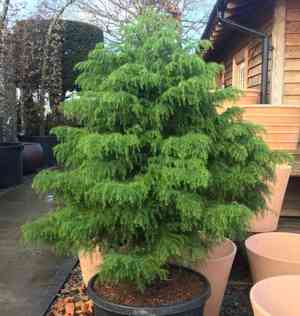
Japanese red cedar (Cryptomeria japonica)
Also known as: Japanese cedar
Japanese red cedar (Cryptomeria japonica), native to Japan, is known for its distinct fragrance and attractive coloration. Commercially, this wood is prized for its use in interior design and wooden construction materials due to its durability and lightweight properties. Additionally, Japanese red cedar is popular in landscaping and is often cultivated as bonsai for its aesthetic appeal.
In This Article
Attributes of Japanese red cedar
Lifespan
Perennial
Plant Type
Tree
Plant Height
48 m
Spread
3 m to 4 m
Leaf Color
Green
Flower Size
2.5 mm
Flower Color
Yellow
Images of Japanese red cedar
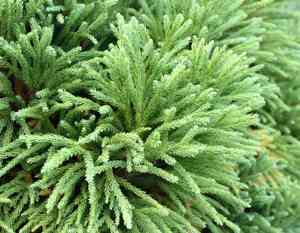
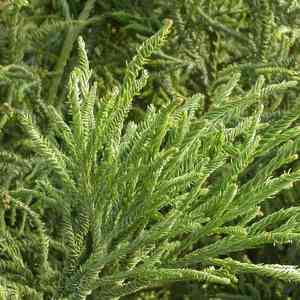
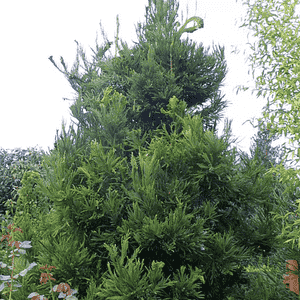
Quickly Identify Japanese red cedar
1
Saber-shaped leaves curl inward, creating a textured appearance.
2
Male cones are round, 0.5-1 inch in diameter, clustered at branch tips.
3
Female cones transition from small, green spheres to woody brown cones.
4
Leaves are bright blue-green, awl-shaped, with a four-angled twist.
5
Trunk showcases a straight, columnar pose with vivid, exfoliating reddish-brown bark.
Scientific Classification of Japanese red cedar
Phylum
Vascular plants
Class
Conifers
Order
Pines and allies
Family
Cypress
Genus
Japanese cedar
Species
Japanese red cedar
Planting and Growing of Japanese red cedar
Care Difficulty
Easy
Watering Schedule
Every 2 days
Sunlight Requirements
Full sun
Sunshine Duration
6-10 hours
Ideal Temperature
50-77℉
Soil Type
Potting Mix, Peat Mix
Soil pH
5-7
Fertilizer Type
Balanced
Pruning Season
Spring, Summer
Pruning Area
Branches, Leaves
Pruning Frequency
2 times a year
Repotting Season
Spring
Pot Type
Plastic, Ceramic
 How to Water Japanese red cedar?
Cryptomeria japonica should be watered thoroughly, allowing the top 2-3 inches of soil to become dry before watering again. This principle ensures that the plant gets enough moisture without drowning the roots, promoting healthy growth.
More About Watering Techniques→
What are the symptoms of an underwatered Japanese red cedar?
›
What should I do if my Japanese red cedar is not getting enough water?
›
What are the symptoms of an overwatered Japanese red cedar?
›
How to save an overwatered Japanese red cedar?
›
 What Are the Sunlight Requirements for Japanese red cedar?
Cryptomeria japonica thrives in full sun to partial sun. Ideal lighting enhances growth rate and foliage density, contributing to a more visually appealing and resilient plant.
More About Sunlight Requirements Techniques→
Solution
›
Specific Measures
›
Effectiveness
›
 What Is the Ideal Temperature Range for Japanese red cedar?
The ideal temperature range for Cryptomeria japonica, also known as Japanese Cedar, is between 50°F and 77°F. This temperature range optimizes the plant's growth and ensures its health. In these conditions, the plant can perform photosynthesis efficiently and develop a healthy structure. Maintaining a stable environment within this temperature range helps prevent stress and encourages robust growth.
 What Soil is Best for Japanese red cedar?
Cryptomeria japonica thrives in well-drained soil, as it helps prevent root rot and ensures healthy growth. The ability of the soil to drain excess water enables the roots to breathe easily, promoting robust development. While drainage is essential, the soil must also retain sufficient moisture to supply the plant's hydration needs. Maintaining the soil's moisture balance supports lush foliage and prevents stress-induced shedding. A nutrient-rich soil is crucial for the vibrant growth of Cryptomeria japonica. The presence of essential nutrients supports vigorous foliage and helps develop an extensive root system, ensuring resilience against environmental stress.
More About Soil→
 How to Fertilize Japanese red cedar?
For Cryptomeria japonica, the recommended fertilization amount depends on its growing conditions and soil quality. Typically, a balanced 10-10-10 liquid fertilizer diluted at half strength is adequate. Apply approximately 1 liter per square meter, ensuring even distribution around the root zone for good nutrient uptake without overwhelming the plant.
 How to Prune Japanese red cedar?
Begin by identifying the natural shape of your Cryptomeria japonica. Use sharp, clean pruning shears to make precise cuts. Focus on maintaining its conical shape while thinning out dense areas to improve air circulation. Remove any branches that cross over or crowd each other. Check for dead or diseased branches throughout the year. Use sterilized tools to cut these sections back to the nearest healthy bud or branch. This prevents the spread of disease and allows the tree to focus its resources on new, healthy growth.
More About Pruning Techniques→
 How to Propagate Japanese red cedar plant?
1
Take cuttings from healthy, non-flowering stems, ideally during the early morning. Cut a length of about 4-6 inches using sanitized pruning shears to avoid contamination.
2
For seed propagation, prepare a well-draining seed bed with a mix of peat moss and sand. Make sure the soil is moist but not waterlogged before planting seeds.
3
Select a healthy rootstock and carefully join it with a scion of Cryptomeria japonica. Bind the graft with grafting tape and provide support till it heals.
 How to Repot Japanese red cedar plant?
1
Repotting Cryptomeria japonica should be done when roots begin circling the pot or poke through drainage holes. Spring is ideal as new growth is beginning. Avoid repotting when the plant is in active growth or bloom to minimize stress.
2
Choose a pot slightly larger than the current one with ample drainage holes. A pot with good drainage prevents waterlogging, essential for healthy root development. Terracotta pots are excellent as they allow soil to breathe, reducing the risk of root rot.
3
Opt for a well-draining, acidic soil mix. A mix with organic material like peat moss helps retain moisture without saturating roots. This type of soil mimics the plant's natural habitat, ensuring it absorbs nutrients effectively and thrives.



