
Fragile rockbrake (Cryptogramma stelleri)
Also known as: Steller's rock brake
The fragile rockbrake is a perennial fern that prospers in cool, shaded regions, typically within rock crevices at higher altitudes. It favors limestone or calcareous substrates, requiring well-drained but consistently moist conditions. Its delicate stems and petioles contribute to its name, reflecting both its fragility and its rocky habitat.
In This Article
Attributes of Fragile rockbrake
Lifespan
Perennial
Plant Type
Herb
Plant Height
8 cm to 20 cm
Spread
Not applicable, as it is a fern and does not form a crown
Leaf Color
Green
Flower Size
Not applicable, as ferns do not produce flowers
Flower Color
Not applicable, as ferns do not produce flowers
Images of Fragile rockbrake
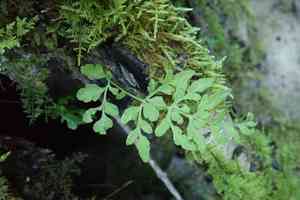
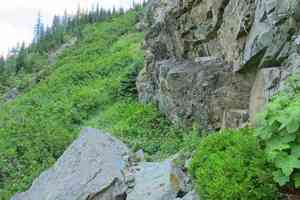
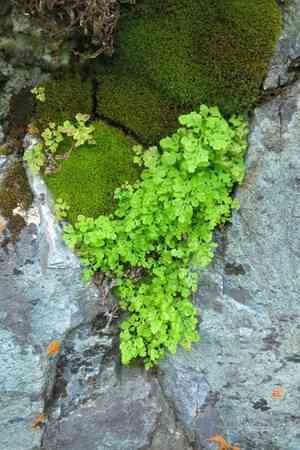
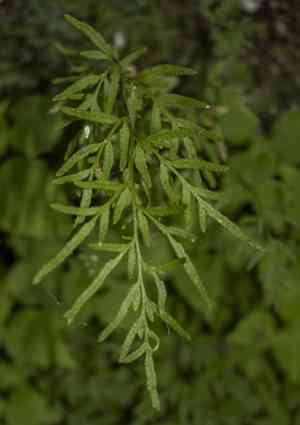
Quickly Identify Fragile rockbrake
1
This fern can be identified by its delicate, finely divided fronds and its preference for rocky, shaded habitats. The fronds are typically twice or thrice pinnate, giving them a feathery appearance.
Scientific Classification of Fragile rockbrake
Phylum
Vascular plants
Class
Ferns
Order
Polypodiales
Family
Brake
Genus
Parsley fern
Species
Fragile rockbrake
Planting and Growing of Fragile rockbrake
Care Difficulty
Easy
Watering Schedule
Every 2 days
Sunlight Requirements
Partial sun
Sunshine Duration
6-10 hours
Ideal Temperature
60-75℉
Soil Type
Potting Mix, Peat Mix
Soil pH
6-7.5
Fertilizer Type
Balanced
Pruning Season
Spring, Summer
Pruning Area
Branches, Leaves
Pruning Frequency
2 times a year
Repotting Season
Spring
Pot Type
Plastic, Ceramic
 How to Water Fragile rockbrake?
Cryptogramma stelleri prefers a moderate watering where the soil is kept consistently moist but not waterlogged. You should aim for about 250 ml of water per watering session. Make sure that the water soaks through the soil, reaching the roots effectively without causing excess drainage.
What are the symptoms of an underwatered Fragile rockbrake?
›
What should I do if my Fragile rockbrake is not getting enough water?
›
What are the symptoms of an overwatered Fragile rockbrake?
›
How to save an overwatered Fragile rockbrake?
›
 What Are the Sunlight Requirements for Fragile rockbrake?
Cryptogramma stelleri ideally receives partial sun, benefiting from filtered daylight. This light condition supports healthy growth, maintaining leaf vitality and preventing stress from excessive light exposure.
What is the ideal light level?
›
How can I mimic its natural environment?
›
What benefits arise from ideal lighting?
›
 What Is the Ideal Temperature Range for Fragile rockbrake?
Cryptogramma stelleri thrives best in a consistently cool environment with an ideal temperature range between 60°F and 75°F. This range supports its physiological processes, ensuring optimal growth and development.
 What Soil is Best for Fragile rockbrake?
Cryptogramma stelleri thrives in well-drained soils that allow easy water passage, preventing root rot and other moisture-related issues, ensuring the plant's healthy growth. This species requires moderate soil moisture—neither too wet nor too dry—favoring consistent hydration that keeps its delicate fronds lush and vibrant. A soil rich in nutrients supports Cryptogramma stelleri's growth, providing essential minerals and organic matter that encourage robust development and resilience.
 How to Fertilize Fragile rockbrake?
For Cryptogramma stelleri, a small amount of fertilizer is ideal. Use a diluted solution of liquid fertilizer at half the recommended strength for houseplants to avoid overwhelming the plant. Over-fertilization can be detrimental to its delicate roots.
 How to Prune Fragile rockbrake?
Begin by carefully inspecting the plant for any damaged or discolored fronds. Using sterilized pruning shears, gently trim the unhealthy parts, ensuring you do not disturb the healthy growth. Always cut at a 45-degree angle to promote proper healing. When Cryptogramma stelleri becomes dense, carefully thin out the center to allow light and air penetration. Focus on older fronds that appear worn, as removing these will rejuvenate the plant and encourage new growth.
More About Pruning Techniques→
 How to Propagate Fragile rockbrake plant?
1
Before starting, it's vital to ensure the plant is healthy and hydrated. Examine the mother plant for any signs of disease or pests, as these could be transferred during division. Water the plant thoroughly a day prior to division for easier handling.
2
Carefully use a shovel to dig around the base of the plant. Once out of the ground, use your hands or a knife to slowly separate smaller clumps, ensuring each has enough roots and foliage for sustained growth. Try to minimize root damage during this process.
3
Replant the divided sections immediately into prepared soil. The new location should mimic the original in terms of soil and light conditions. Ensure the divisions are well-watered post-transplant to establish firm root support quickly.
 How to Repot Fragile rockbrake plant?
1
Cryptogramma stelleri shows the need for repotting when its roots start crowding the pot, emerging through drainage holes or when its growth slows down. These signs indicate it's time to provide a fresh space for the roots to continue thriving.
2
Select a pot that is just one size larger than the current one, with good drainage holes. This prevents waterlogging and encourages root growth, providing ample space for development without overwhelming the plant.
3
Opt for a well-drained loamy mix that replicates its natural habitat. Such soil ensures proper aeration, retains necessary moisture, and provides essential nutrients, promoting healthy growth and preventing root rot.



