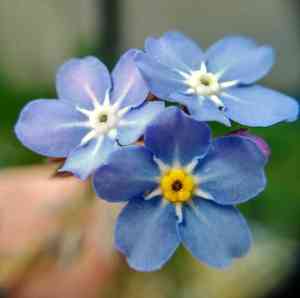
Little cryptantha (Cryptantha minima)
Also known as: minimum cryptantha
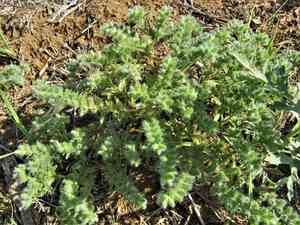
The little cryptantha is a tough, small flowering plant that excels in arid environments. Its tiny white flowers with faint yellow centers are surrounded by rough, bristly leaves. This plant's strengths lie in its ability to conserve water and endure extreme conditions, making it a resilient presence in dry, sparse habitats.
In This Article
Attributes of Little cryptantha
Lifespan
Annual
Plant Type
Herb
Plant Height
2 to 12 inches
Spread
Not commonly measured due to its small size
Leaf Color
Green with a hairy texture
Flower Size
Less than 0.2 inches
Flower Color
White
Images of Little cryptantha
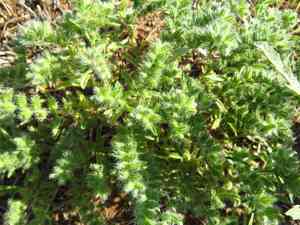
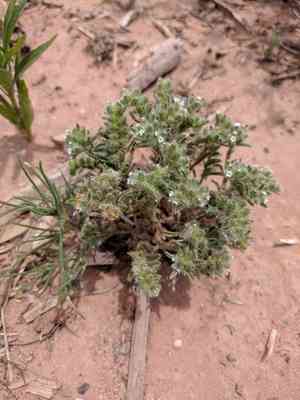
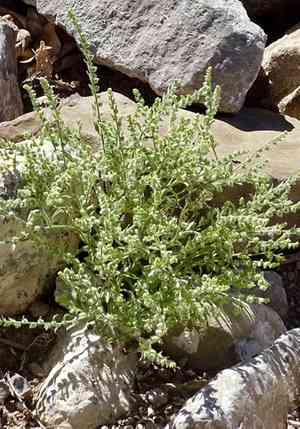
Quickly Identify Little cryptantha
1
Identifying Cryptantha minima can be done by observing its small size, hairy leaves, and tiny white flowers that bloom in clusters. The plant often grows on sandy or gravelly soils and is typically found in open areas or disturbed sites.
Scientific Classification of Little cryptantha
Phylum
Vascular plants
Class
Dicotyledons
Order
Boraginales
Family
Borage
Genus
Cat's eye
Species
Little cryptantha
Planting and Growing of Little cryptantha
Care Difficulty
Hard
Watering Schedule
Every day
Sunlight Requirements
Full sun
Sunshine Duration
4-8 hours
Ideal Temperature
60-75℉
Soil Type
Potting Mix, Peat Mix
Soil pH
6.5-7.5
Fertilizer Type
Balanced
Pruning Season
Spring, Summer
Pruning Area
Branches, Leaves
Pruning Frequency
2 times a year
Repotting Season
Spring
Pot Type
Plastic, Ceramic
 How to Water Little cryptantha?
Cryptantha minima is a drought-tolerant plant, so it requires modest watering. Aim for about 100 ml of water, just enough to moisten the soil without leaving it soggy. The plant thrives in well-drained soil, and it's crucial to ensure that the water reaches the roots effectively without causing waterlogging.
What are the symptoms of an underwatered Little cryptantha?
›
What should I do if my Little cryptantha is not getting enough water?
›
What are the symptoms of an overwatered Little cryptantha?
›
How to save an overwatered Little cryptantha?
›
 What Are the Sunlight Requirements for Little cryptantha?
Cryptantha minima prefers full to partial sun, ideally enjoying 6-8 hours of bright light. Proper light ensures vigorous growth and a strong blooming cycle.
Why does Cryptantha minima need specific light?
›
What are the best lighting solutions?
›
What are the benefits of ideal light conditions?
›
 What Is the Ideal Temperature Range for Little cryptantha?
Cryptantha minima thrives best in temperatures ranging from 60°F to 75°F. This range provides a balance that supports optimal metabolic processes, photosynthesis, and cellular function, ensuring robust growth and development.
 What Soil is Best for Little cryptantha?
Cryptantha minima thrives in well-drained soil, preventing root rot and ensuring optimal water absorption. This type of soil helps the plant maintain its delicate balance of moisture without becoming overly saturated. This plant is adapted to grow in nutrient-poor soil, an environment where competitors struggle. This allows Cryptantha minima to flourish without the need for frequent fertilization, highlighting its resourcefulness. Cryptantha minima prefers soil with low organic matter, reducing the risk of root diseases. This characteristic allows the plant to gain a foothold in areas where richer soils might encourage more aggressive species.
 How to Fertilize Little cryptantha?
For Cryptantha minima, using a balanced liquid fertilizer at half the strength is ideal during its active growing season. When applying slow-release fertilizers, stick to a conservative amount, as these plants are naturally adapted to low-nutrient environments. Providing more than this could lead to nutrient overload and harm the plant.
 How to Prune Little cryptantha?
Start by using clean, sharp scissors or pruning shears to remove any dead, discolored, or damaged stems. Always cut just above a leaf node to promote fuller growth. Gradually shape the plant by removing excess growth, ensuring not to take off more than one-third of the plant at once. After pruning, gather all clippings and dispose of them properly to prevent any pest or disease issues. Composting healthy clippings is beneficial, but diseased materials should be discarded thoughtfully.
More About Pruning Techniques→
 How to Propagate Little cryptantha plant?
1
Before planting, prepare the seed beds by mixing well-draining soil and spreading it evenly in the seed tray. Make sure the soil is sterile to prevent disease and has been moistened to the right level, which is neither too dry nor too muddy.
2
Sow Cryptantha minima seeds thinly on the surface of the prepared soil. Press them in lightly but do not cover completely, as they require light for germination. Ensure the seeds are spaced adequately to avoid overcrowding.
3
Use a fine mist sprayer to water the seeds after sowing. It's vital to keep the substrate consistently moist until germination. Be cautious of overwatering which can lead to fungal infections such as damping-off.
 How to Repot Little cryptantha plant?
1
Cryptantha minima shows that it's time for a new pot when you notice its roots peeking out of the drainage holes or the plant appears stunted despite good care. Spring is ideal for repotting, as it aligns with the plant's active growth period.
2
Choose a pot that is slightly larger than the current one, with good drainage holes to prevent waterlogging. Opting for a breathable material like clay or terracotta aids in regulating moisture and provides a stable environment for root growth.
3
A well-draining sandy soil is crucial for Cryptantha minima. This soil type ensures adequate aeration and mimics its natural habitat, helping prevent excessive moisture retention that could lead to root rot and other fungal diseases.



