Crupina (Crupina) (Crupina)
Also known as: Common Crupina, Bearded Creeper
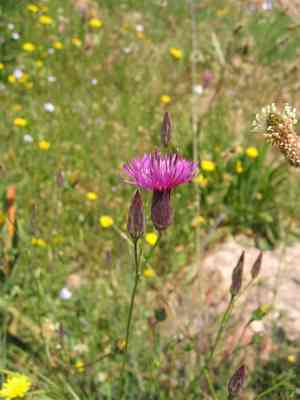
Crupina plants resemble thistles and feature vibrant, deep pink flower heads. They have slender stems and narrow, lance-shaped leaves. The flowers form in clusters at the top of the stems, surrounded by spiny bracts.
In This Article
Attributes of Crupina (Crupina)
Lifespan
Biennial
Plant Height
30-100 cm
Spread
Not typically measured as it is a herbaceous plant
Leaf Color
Green
Flower Size
Approximately 1 cm
Flower Color
Purple
Images of Crupina (Crupina)
Quickly Identify Crupina (Crupina)
1
Crupina can be identified by its slender, branching stems that are covered in fine hairs. The leaves are deeply lobed and thistle-like in appearance. The flowers are purple and clumped together in a dense cluster.
Scientific Classification of Crupina (Crupina)
Phylum
Magnoliophyta
Class
Magnoliopsida
Order
Asterales
Family
Asteraceae
Genus
Crupina
Planting and Growing of Crupina (Crupina)
Care Difficulty
Moderate
Watering Schedule
Every 2 days
Sunlight Requirements
Full sun
Sunshine Duration
4-8 hours
Ideal Temperature
50-75℉
Soil Type
Potting Mix, Peat Mix
Soil pH
6.5-7.5
Fertilizer Type
Balanced
Pruning Season
Spring, Summer
Pruning Area
Branches, Leaves
Pruning Frequency
2 times a year
Repotting Season
Spring
Pot Type
Plastic, Ceramic
 How to Water Crupina (Crupina)?
The Crupina species thrive on watering principles that ensure soil moisture without flooding. Aim for about 250 ml per session, allowing the top inch of the soil to dry before re-watering. This mimics their natural environment, preventing root rot while ensuring adequate hydration.
What are the symptoms of an underwatered Crupina (Crupina)?
›
What should I do if my Crupina (Crupina) is not getting enough water?
›
What are the symptoms of an overwatered Crupina (Crupina)?
›
How to save an overwatered Crupina (Crupina)?
›
 What Are the Sunlight Requirements for Crupina (Crupina)?
Partial to full sun is ideal for Crupina. Proper light conditions foster healthy vegetative growth and flower production, making the plant more vibrant and resilient by enhancing its photosynthetic efficiency and nutrient uptake.
How much sunlight does Crupina need?
›
How can you provide ideal sunlight for Crupina?
›
What are the benefits of ideal sunlight for Crupina?
›
 What Is the Ideal Temperature Range for Crupina (Crupina)?
For Crupina species to thrive, a stable temperature environment ranging from 50 to 75°F is considered ideal. This range ensures that the plant remains healthy and continues to grow without stress. Maintaining consistent temperatures within this range will promote optimal photosynthesis and nutrient uptake, which are vital for the plant's development.
 What Soil is Best for Crupina (Crupina)?
Crupina thrives in well-drained soil conditions. This requirement ensures that the roots stay healthy by preventing waterlogging, which can lead to root rot and other issues. The plant benefits from soil rich in nutrients such as nitrogen, phosphorus, and potassium. These nutrients aid in robust growth, lush foliage, and healthy flowering. Crupina requires soil that retains moisture well yet avoids excess. This balance helps maintain consistent hydration levels without drowning the roots.
 How to Fertilize Crupina (Crupina)?
For Crupina, a balanced fertilizer with a ratio of 10-10-10 is recommended. When using liquid fertilizer, apply at a rate of about 1 tablespoon per gallon of water. For slow-release fertilizer, apply at about 1 tablespoon per square foot of soil.
 How to Prune Crupina (Crupina)?
When trimming, make cuts at a slight angle to allow water to runoff, avoiding fungal infections. Position the cuts just above a node or leaf junction to promote robust growth. Thin out areas where branches are overcrowding each other. This enhances airflow and light penetration, critical factors in preventing pest infestations and ensuring even growth. After completing the pruning process, especially if large cuts were made, consider applying a pruning sealant. This helps protect open wounds from pests and diseases, promoting quicker healing.
 How to Propagate Crupina (Crupina) plant?
1
Fill the seed trays with a sterile potting mix, ensuring an even surface to help with uniform watering. Moist the soil lightly to prepare it for sowing the Crupina seeds.
2
Scatter the Crupina seeds evenly over the prepared potting mix. Cover them lightly with a thin layer of potting mix, ensuring they are not buried too deep, which could hinder germination.
3
Place the seed trays in a warm area with indirect sunlight. Maintain consistent moisture in the potting mix by misting regularly, which helps in achieving optimal humidity levels for germination.
 How to Repot Crupina (Crupina) plant?
1
Repot Crupina when you notice slowed growth or roots emerging from the pot's drainage holes. These are signals that the plant needs more space to thrive. Ideal times for repotting are early spring and autumn, as the plant exhibits less stress and can adapt more quickly.
2
Select a pot that's one size larger, with drainage holes at the bottom. This ensures excess water can escape, preventing root rot. A slightly larger pot allows roots to expand without overwhelming the plant with too much soil, which can retain moisture and cause overwatering issues.
3
Opt for a well-draining loamy soil. This type of soil structure supports adequate aeration for roots and maintains the right moisture balance. A good mix usually contains components like perlite or sand to enhance drainage, ensuring the plant's roots don't sit in water for extended periods.
Learn More About Crupina (Crupina) Diseases
Anthracnose
Bacterial Leaf Spot
Bacterial Wilt
Black Spot
Chemical Injury
Crown Gall
Cyst Nematode
Damping-off
Downy Mildew
Drought Stress
Fusarium Wilt
Gray Mold
Leaf Curl
Leaf Spot
Mosaic
Nutrient Deficiency
Nutrient Toxicity
Powdery Mildew
Root Rot
Root-knot Nematode
Rusts
Sooty Mold
Spider Mites
Temperature Stress
Thrips Damage
White Mold

