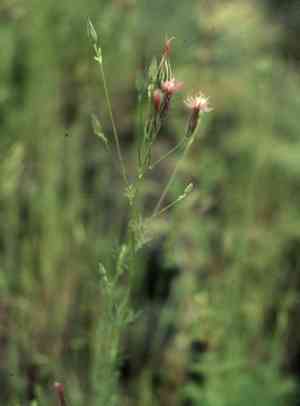
Common crupina (Crupina vulgaris)
Also known as: Bearded creeper
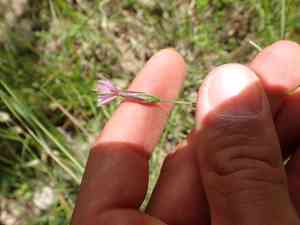
The plant features up to five florets, with typically just one being fertile. It boasts a purple corolla. The plant produces a single large fruit, a cypsela, which measures up to 1.6 cm in length, encompassing a barrel-shaped body and a long, spreading pappus made of brown or black bristles. This fruit can weigh as much as 36 mg. On average, a single plant generates around 130 fruits.
In This Article
Attributes of Common crupina
Lifespan
Annual
Plant Type
Herb
Plant Height
30 to 90 cm
Spread
Not applicable
Leaf Color
Green
Flower Size
Approximately 1.5 cm
Flower Color
Purple to pink
Images of Common crupina
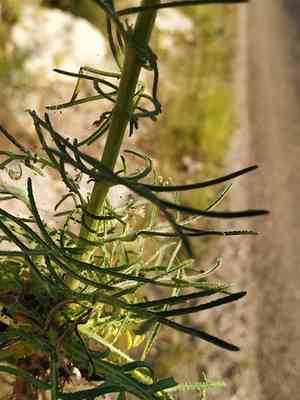
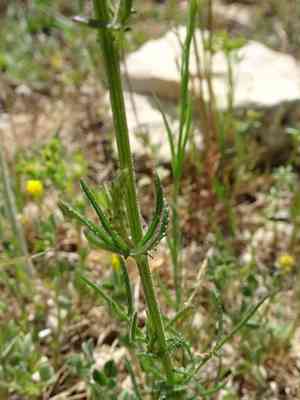
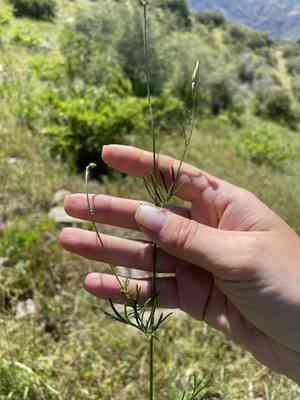
Quickly Identify Common crupina
1
It can be identified by its thin, spiny stems and small purple to pink flowers. The leaves are deeply lobed and spiked, while the flowers are grouped in clusters at the ends of branches.
Scientific Classification of Common crupina
Phylum
Vascular plants
Class
Dicotyledons
Order
Asterales
Family
Daisy
Genus
Crupina
Species
Common crupina
Planting and Growing of Common crupina
Care Difficulty
Hard
Watering Schedule
Every 2 days
Sunlight Requirements
Full sun
Sunshine Duration
10-12 hours
Ideal Temperature
60-75℉
Soil Type
Potting Mix, Peat Mix
Soil pH
6-8
Fertilizer Type
Balanced
Pruning Season
Spring, Summer
Pruning Area
Branches, Leaves
Pruning Frequency
2 times a year
Repotting Season
Spring
Pot Type
Plastic, Terracotta
 How to Water Common crupina?
Crupina vulgaris prefers a consistent yet moderate watering routine. It's best to water thoroughly until the soil is moist but not waterlogged, around 250 milliliters per watering session. This ensures the roots receive enough hydration without drowning them, simulating the plant's natural habitat conditions.
What are the symptoms of an underwatered Common crupina?
›
What should I do if my Common crupina is not getting enough water?
›
What are the symptoms of an overwatered Common crupina?
›
How to save an overwatered Common crupina?
›
 What Are the Sunlight Requirements for Common crupina?
For optimal growth, Crupina vulgaris flourishes under full sun conditions. Adequate light supports robust photosynthesis, resulting in more vigorous plant health and enhanced flowering.
More About Sunlight Requirements Techniques→
How much light does Crupina vulgaris need?
›
What solutions ensure Crupina vulgaris gets its ideal light?
›
What benefits does Crupina vulgaris gain from ideal lighting?
›
 What Is the Ideal Temperature Range for Common crupina?
The ideal temperature range for cultivating Crupina vulgaris is between 60°F and 75°F. This temperature range supports optimal growth and development by providing a stable environment that meets the physiological needs of the plant. Within these temperatures, the plant can photosynthesize efficiently and maintain adequate metabolic activities.
 What Soil is Best for Common crupina?
Crupina vulgaris thrives in nutrient-rich soils, which provide the essential minerals and nutrients needed for optimal growth. Fertile soils enhance the plant's vigor, aiding in robust flower production and healthy foliage. Good drainage is critical for Crupina vulgaris as it prevents root rot and fungal diseases. Well-drained soils, such as sandy loam, also aid in maintaining a balanced moisture level, which is beneficial for healthy root development. Soils with moderate moisture retention supply consistent hydration without waterlogging. This balance prevents desiccation during dry spells and ensures the plant remains healthy through varied weather conditions.
 How to Fertilize Common crupina?
For Crupina vulgaris, it's important to maintain a balanced application of nutrients. When using liquid fertilizer, apply approximately 10 milliliters per liter of water, ensuring the solution is evenly distributed across the soil surface. For slow-release fertilizers, use about 50 grams per plant per application, making sure you follow the manufacturer's guidelines to avoid nutrient imbalances or burning the plant roots.
 How to Prune Common crupina?
Focus on removing damaged, dead, or diseased stalks. This stimulates new growth and helps the plant allocate resources more efficiently while enhancing its overall aesthetic. Crupina vulgaris is invasive; remove any flowering stalks before seeds set. This helps manage its spread and keeps the natural habitat balanced without overtaking native species. After pruning, water the plant adequately to reduce stress and encourage recovery. Fertilize lightly to support new growth, but avoid over-fertilization that can lead to weak plant structures.
More About Pruning Techniques→
 How to Propagate Common crupina plant?
1
Fill a seed tray with a sterile soil mix, ensuring that the soil is moistened but not soggy, to create an optimal environment for seed germination.
2
Scatter Crupina vulgaris seeds evenly across the surface of the prepared soil, then lightly cover them with a thin layer of soil to protect the seeds while still allowing light exposure.
3
Water the seeds gently using a spray bottle to maintain soil moisture without washing away the seeds, and place the tray in a warm location with indirect sunlight.
 How to Repot Common crupina plant?
1
Crupina vulgaris shows signs of needing repotting when its roots start to grow out through the drainage holes or the plant begins to show stunted growth. Ideally, repotting is best done in spring or summer, when the plant is in its active growing phase and can recover more swiftly from the shift.
2
Select a pot that is one size larger than the current one, made of breathable material like clay or ceramic, which helps prevent root rot. Ensure it has good drainage to allow excess water to escape, keeping the roots healthy.
3
Opt for a well-draining potting mix combined with some sand or perlite. This choice allows adequate aeration and drainage, preventing waterlogging which can lead to root rot. Properly chosen soil will sustain Crupina vulgaris, encouraging robust growth.
Toxicity
Ingestion
WARNING
The judgment on toxicity and danger is for reference only. We DO NOT GUARANTEE any accuracy of such judgment. Therefore, you SHALL NOT rely on such judgment. It is IMPORTANT TO SEEK PROFESSIONAL ADVICE in advance when necessary.
Learn More About Common crupina Diseases
Anthracnose
Bacterial Leaf Spot
Bacterial Soft Rot
Bacterial Wilt
Chemical Injury
Crown Gall
Cyst Nematode
Damping-off
Downy Mildew
Drought Stress
Fusarium Wilt
Gray Mold
Leaf Spot
Mosaic
Nutrient Deficiency
Nutrient Toxicity
Powdery Mildew
Root Rot
Root-knot Nematode
Rusts
Sooty Mold
Spider Mites
Temperature Stress
Thrips Damage
White Mold



