Wideleaf crumia moss(Crumia latifolia)

Wideleaf crumia moss (Crumia latifolia)

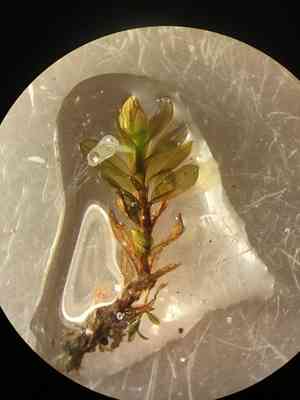
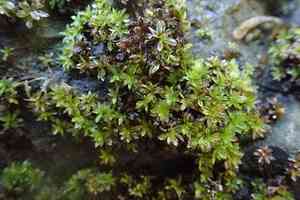
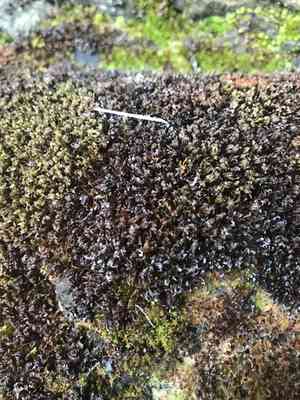
Wideleaf crumia moss (Crumia latifolia) is identifiable by its broad, flat leaves that are notably wider compared to many other moss species, often creating an overlapping, dense texture. Preferring shaded, moist environments, it typically thrives on rocks and soil, forming lush green carpets that stand out in its habitat.

In its ecosystem, Wideleaf crumia moss plays several crucial roles:
1. **Preventing Erosion:** Its dense growth helps stabilize soil and rock surfaces, reducing erosion.
2. **Moisture Retention:** The moss excels at absorbing and holding moisture, which helps maintain the humidity of its surroundings.
3. **Providing Habitat:** It offers a habitat for small invertebrates and microorganisms, thereby supporting local biodiversity.
4. **Nutrient Contribution:** As it decomposes, it adds organic matter to the soil, enriching it and aiding plant growth.

Attributes of Wideleaf crumia moss

Lifespan
Perennial
Plant Height
Up to 2 cm
Spread
Not applicable
Leaf Color
Green
Flower Size
Not applicable
Flower Color
Not applicable

ForwardPlant - Identify plants with a snap

Identify and diagnose plants, get toxicity alerts, and explore safety guides for all types of fungi.

Try for Free

Images of Wideleaf crumia moss

Wideleaf crumia moss(Crumia latifolia)

Quickly Identify Wideleaf crumia moss

1
To identify Crumia latifolia, look for broad leaves that are atypical for mosses and observe the growth pattern which is usually dense and carpet-like.

Scientific Classification of Wideleaf crumia moss

Phylum
Bryophyta
Class
Bryopsida
Order
Pottiales
Family
Pottiaceae
Genus
Crumia

Planting and Growing of Wideleaf crumia moss

Care Difficulty
Moderate
Watering Schedule
Every 2 days
Sunlight Requirements
Partial sun
Sunshine Duration
4-6 hours
Ideal Temperature
65-75℉
Soil Type
Potting Mix, Peat Mix
Soil pH
6.5-7.5
Fertilizer Type
Balanced
Pruning Season
Spring, Summer
Pruning Area
Branches, Leaves
Pruning Frequency
2 times a year
Repotting Season
Spring
Pot Type
Plastic, Terracotta

water icon How to Water Wideleaf crumia moss?

Crumia latifolia appreciates a balanced watering approach. The soil should be moist but not soggy, ensuring that water reaches the root zone thoroughly. A guideline is to water until about 500 ml has been absorbed, making sure excess water drains well.
What are the symptoms of an underwatered Wideleaf crumia moss?
What should I do if my Wideleaf crumia moss is not getting enough water?
What are the symptoms of an overwatered Wideleaf crumia moss?
How to save an overwatered Wideleaf crumia moss?

sunlight icon What Are the Sunlight Requirements for Wideleaf crumia moss?

Sunlight Requirements: Partial sun, Full shade
Duration of light: 4 to 6 hours daily
Crumia latifolia flourishes in partial sunlight, with 4 to 6 hours of indirect or filtered light daily. This range helps maintain its lush foliage and supports healthy growth.
How much sunlight does Crumia latifolia need?
What are the solutions to achieve ideal light conditions?
What benefits will optimal lighting bring to the plant?

temperature icon What Is the Ideal Temperature Range for Wideleaf crumia moss?

Ideal Temperature: 65 ~ 75℉
Crumia latifolia thrives best at a temperature range of 65-75°F as these conditions mimic its native environment. This range supports optimal metabolic activities and maximizes photosynthesis, enabling the plant to grow healthily. Maintaining consistent temperatures within this range helps prevent stress and encourages robust foliage and flowering.

soil icon What Soil is Best for Wideleaf crumia moss?

Soil type: Loam, Sandy loam, Clay soil
Soil PH: 6.5 ~ 7.5
Crumia latifolia thrives in nutrient-rich soil that ensures robust growth. Organic matter in the soil offers the plant essential nutrients, boosting its vitality and health. A soil rich in nutrients helps in vigorous leaf development and vibrant foliage. The plant prefers well-draining soil to prevent waterlogging, which can cause root rot. Sandy loam is beneficial for this trait, as it allows excess water to drain away, keeping roots healthy and enabling the plant to grow robustly. Crumia latifolia requires soil with good aeration to facilitate root oxygenation. Loamy soils provide the right balance of moisture retention and airflow, ensuring that roots receive adequate air, reducing the risk of disease.

fertilize icon How to Fertilize Wideleaf crumia moss?

Fertilizer type: Balanced
Crumia latifolia requires a balanced amount of nutrients, typically around one tablespoon of liquid fertilizer per plant per application when using a standard 10-10-10 formula. When using slow-release granules, apply about 20 grams per plant. Ensure to follow the instructions on fertilizer packaging to avoid over-fertilization.

prune icon How to Prune Wideleaf crumia moss?

Pruning Time: Spring, Summer, Autumn, Winter
Before starting the pruning process, thoroughly inspect the plant to identify any dead or damaged branches. Pruning these branches first will improve air circulation and help the plant allocate its energy to healthier parts. Prune branches to encourage a balanced and aesthetically pleasing shape. This often involves thinning out crowded areas and shortening overly long shoots that disrupt the plant's symmetry. More About Pruning Techniques

propagate icon How to Propagate Wideleaf crumia moss plant?

Propagate Time: Spring, Early summer
1
Select healthy, disease-free stems from the parent plant. Use pruning shears to cut sections approximately 4-6 inches long, ensuring each has several nodes.
2
Sow seeds in a nutrient-rich, well-draining soil mix. Lightly cover with soil and keep the soil consistently moist until germination occurs.
3
Carefully separate the root clumps using a sharp knife or hands. Ensure each division has adequate roots and shoots, then replant them in prepared soil.

repot icon How to Repot Wideleaf crumia moss plant?

Repotting frequency: Every two to three years
1
It's best to repot Crumia latifolia when you notice reduced growth, the roots circling the pot, or water taking longer to drain. These are clear signals that the plant needs more space to continue thriving and absorbing nutrients efficiently.
2
Select a pot that is 2-4 inches larger in diameter than the current one. It should have drainage holes to prevent waterlogging. A slightly bigger pot encourages growth without overwhelming the roots, ensuring the plant establishes well in its new home.
3
Opt for a soil mix that holds moisture but allows excess water to drain away easily. The ideal mixture prevents root rot by maintaining the perfect balance—retaining enough moisture while promoting adequate aeration, crucial for healthy root development.

ForwardPlant - Identify plants with a snap

Find the best spots for them to optimize their health, simply using your phone.

Try for Free