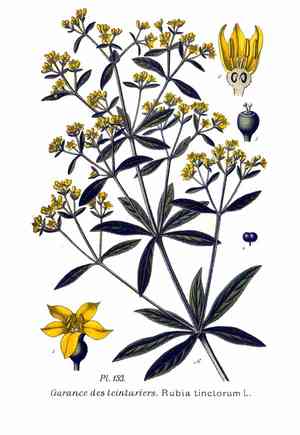
Crucianella (Crucianella) (Crucianella)
Also known as: Crucianella
C. angustifolia, an annual herb, is naturally found from the Mediterranean region across Central Asia to the Arabian Peninsula. It has also been naturalized in parts of northern California, southern Oregon (specifically Josephine County), and Clearwater County, Idaho.
In This Article
Attributes of Crucianella (Crucianella)
Lifespan
Perennial
Plant Height
10-30 cm
Spread
10-20 cm
Leaf Color
Green
Flower Size
0.5-1 cm
Flower Color
White, pink
Images of Crucianella (Crucianella)
Quickly Identify Crucianella (Crucianella)
1
Crucianella plants can be identified by their small, tubular flowers that cluster at the tips of the stems. The leaves are typically narrow and arranged in whorls around the stem.
Scientific Classification of Crucianella (Crucianella)
Phylum
Magnoliophyta
Class
Magnoliopsida
Order
Gentianales
Family
Rubiaceae
Genus
Crucianella
Planting and Growing of Crucianella (Crucianella)
Care Difficulty
Moderate
Watering Schedule
Every 2 days
Sunlight Requirements
Partial sun
Sunshine Duration
6-8 hours
Ideal Temperature
60-75℉
Soil Type
Potting Mix, Peat Mix
Soil pH
6.5-7.5
Fertilizer Type
Balanced
Pruning Season
Spring, Summer
Pruning Area
Branches, Leaves
Pruning Frequency
2 times a year
Repotting Season
Spring
Pot Type
Plastic, Terracotta
 How to Water Crucianella (Crucianella)?
Ensure that you water Crucianella with 200 ml each time. The goal is to moisten the soil adequately, allowing the roots to access moisture but avoiding waterlogged conditions that may lead to root rot.
What are the symptoms of an underwatered Crucianella (Crucianella)?
›
What should I do if my Crucianella (Crucianella) is not getting enough water?
›
What are the symptoms of an overwatered Crucianella (Crucianella)?
›
How to save an overwatered Crucianella (Crucianella)?
›
 What Are the Sunlight Requirements for Crucianella (Crucianella)?
Crucianella thrives best in partial sun settings. This exposure supports balanced photosynthesis, fostering robust growth and vibrant foliage. Ensuring it receives 4 to 6 hours of diverse light conditions emulates its native environment, enhancing its decorative appeal and resilience.
Optimal Light Duration
›
Light Intensity Control
›
Monitoring Sun Patterns
›
 What Is the Ideal Temperature Range for Crucianella (Crucianella)?
The ideal temperature range for Crucianella is between 60 and 75 degrees Fahrenheit. This range provides an optimal environment for the plant's growth, ensuring that it receives adequate warmth without being stressed by excessive heat.
 What Soil is Best for Crucianella (Crucianella)?
Crucianella thrives in well-drained soils as it prevents waterlogging, allowing roots to access oxygen efficiently. This ensures healthy root development and reduces the risk of root rot, crucial for plant vitality. The plant prefers soils with moderate fertility, offering enough nutrients to support growth without encouraging excessive foliage at the expense of flowers. Balanced fertility promotes vibrant blooms and robust health. A light soil texture is ideal for Crucianella, facilitating ease in root penetration. This characteristic bolsters nutrient uptake and fosters strong growth by minimizing physical barriers for root expansion.
 How to Fertilize Crucianella (Crucianella)?
Crucianella plants prefer moderate fertilization. When applying liquid fertilizer, dilute the solution to half the strength recommended on the label. Use approximately 125ml of this diluted solution per plant to avoid root burn.
 How to Prune Crucianella (Crucianella)?
Begin by inspecting your Crucianella for any dead, diseased, or damaged branches. These are often easy to spot by their discoloration or wilting appearance. Remove such growths using clean, sharp pruners to prevent disease spread and encourage new, healthy growth. Once the unhealthy parts are removed, focus on shaping your Crucianella by cutting back overgrown or awkwardly positioned branches. Aim to create a symmetrical shape, promoting a bushier plant that enhances its ornamental beauty. To stimulate dense foliage, make precise cuts just above a leaf node or bud. This strategic cutting will prompt the plant to develop lateral shoots, creating a fuller appearance and potentially producing more flowers.
 How to Propagate Crucianella (Crucianella) plant?
1
Collect mature seeds from the Crucianella when the seed pods have dried. Gently crush the pods to extract seeds, ensuring they are fully dry before storage or planting for optimal germination.
2
Choose healthy stems and cut sections about 4-6 inches long with a diagonal cut under a node. Remove lower leaves to leave a few at the top, reducing water loss and encouraging root development.
3
Carefully dig around the root ball, lifting the plant without damaging roots. Divide the root mass into sections, ensuring each has ample roots and shoots, then replant in prepared soil areas.
 How to Repot Crucianella (Crucianella) plant?
1
Crucianella should be repotted when you notice roots crowding the drainage holes or growth appears stunted. Early spring or autumn is ideal, allowing the plant to establish in mild conditions. Repotting during these seasons gives the plant time to acclimate before extreme weather.
2
Choose a pot that is only slightly larger than the current one; about 2-3 inches wider is perfect. A pot too large can drown the roots with excess soil moisture. Additionally, ensure it has drainage holes to prevent waterlogging, crucial for Crucianella's health.
3
Opt for well-draining sandy soil. This kind of soil prevents root rot by allowing excess water to escape easily. Incorporating perlite or pumice can aid in achieving the right drainage level, ensuring your Crucianella thrives post-repotting.
Learn More About Crucianella (Crucianella) Diseases
Anthracnose
Bacterial Leaf Spot
Bacterial Wilt
Crown Gall
Cyst Nematode
Damping-off
Downy Mildew
Drought Stress
Fusarium Wilt
Gray Mold
Leaf Spot
Mosaic
Nutrient Deficiency
Nutrient Toxicity
Powdery Mildew
Root Rot
Root-knot Nematode
Rusts
Sooty Mold
Spider Mites
Temperature Stress
Thrips Damage
White Mold

