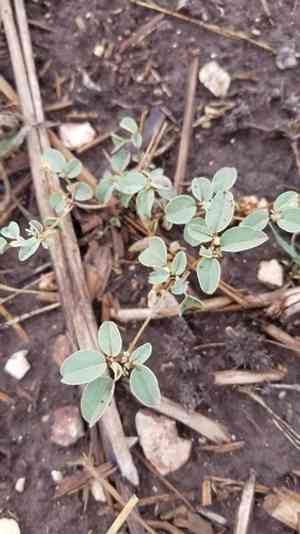
Rushfoils (Croton) (Croton)
Also known as: Codiaeum, Variegated Croton
Rushfoils, known for their vibrant and colorful foliage, are popular ornamental shrubs originating from the Indian subcontinent and Southeast Asia. They flourish in warm, tropical, and subtropical climates, requiring high humidity and ample sunlight. While they can be grown indoors with sufficient light, it's important to note that they are mildly toxic to both cats and humans.
In This Article
Attributes of Rushfoils (Croton)
Lifespan
Perennial
Plant Height
3 to 8 feet
Spread
Often 3 to 6 feet wide
Leaf Color
Green, yellow, red, orange, purple (variegated)
Flower Size
Small, insignificant
Flower Color
White or yellow
Images of Rushfoils (Croton)
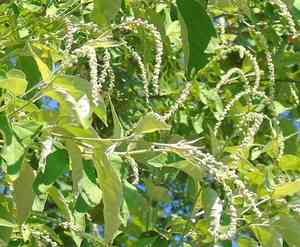
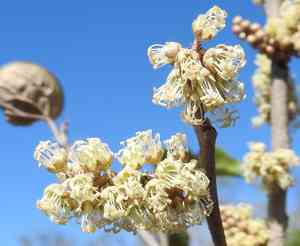

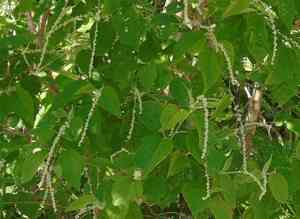
Quickly Identify Rushfoils (Croton)
1
To identify a Croton, look for its broad, leathery leaves with vibrant colors and variegated patterns. The leaves are often shiny and can be oval, lanceolate, or even have lobes. The plant itself is generally bushy and can vary in height depending on the variety.
Scientific Classification of Rushfoils (Croton)
Phylum
Magnoliophyta
Class
Magnoliopsida
Order
Malpighiales
Family
Euphorbiaceae
Genus
Codiaeum
Planting and Growing of Rushfoils (Croton)
Care Difficulty
Moderate
Watering Schedule
Every 4 days
Sunlight Requirements
Partial sun
Sunshine Duration
4-8 hours
Ideal Temperature
65-80℉
Soil Type
Potting Mix, Peat Mix
Soil pH
6.5-7.5
Fertilizer Type
Balanced
Pruning Season
Spring, Summer
Pruning Area
Branches, Leaves
Pruning Frequency
2 times a year
Repotting Season
Spring
Pot Type
Plastic, Ceramic
 How to Water Rushfoils (Croton)?
When watering Crotons, aim to moisten the soil thoroughly without causing water to stand. The soil should feel damp to the touch, up to about halfway through the pot. This typically requires around 500 ml of water per session, depending on pot size and soil composition.
What are the symptoms of an underwatered Rushfoils (Croton)?
›
What should I do if my Rushfoils (Croton) is not getting enough water?
›
What are the symptoms of an overwatered Rushfoils (Croton)?
›
How to save an overwatered Rushfoils (Croton)?
›
 What Are the Sunlight Requirements for Rushfoils (Croton)?
Crotons prefer a partial sun to partial shade range. Ensuring moderate sunlight allows them to display bold colors, prevent leaf damage, and support thriving, healthy growth.
What is the ideal light level for Croton?
›
How can you adjust the light for ideal conditions?
›
What are the benefits of achieving ideal lighting?
›
 What Is the Ideal Temperature Range for Rushfoils (Croton)?
The ideal temperature for Croton plants is between 65°F to 80°F. This range allows the plant to thrive, ensuring vibrant foliage colors and healthy growth. Maintaining a stable temperature within this range helps in optimal physiological processes.
 What Soil is Best for Rushfoils (Croton)?
Croton plants thrive in well-drained soil that prevents waterlogging. Adequate drainage ensures roots don't suffocate or decay, promoting healthy growth and vibrant foliage. Loamy or sandy loam soils are ideal as they offer the right balance of moisture retention and drainage. These plants require nutrient-rich soil to maintain their colorful leaves. Incorporating organic matter or balanced fertilizer ensures a steady supply of necessary nutrients. This richness in nutrients supports robust growth and enhances the plant's natural color spectrum. Croton plants prefer a slightly acidic to neutral pH ranging from 6.5 to 7.5. Maintaining this pH level helps in the optimal absorption of nutrients, which is crucial for their vibrant leaf coloration and overall plant health.
 How to Fertilize Rushfoils (Croton)?
For Croton plants, use a balanced 20-20-20 all-purpose fertilizer. When using liquid fertilizer, dilute it to half strength to prevent burning the roots. For slow-release fertilizers, apply as per the manufacturer’s guidelines but avoid clumping it directly at the base of the plant.
 How to Prune Rushfoils (Croton)?
Avoid pruning in winter when the plant is in a dormancy phase, as this can stress the Croton. Instead, target spring and summer when the plant is actively growing. Croton sap can be an irritant. Wear gloves and avoid contact with your face or eyes during the pruning process to prevent any adverse reactions. Avoid removing more than a third of the plant at any one time. Over-pruning can damage the Croton's health and might affect its ability to recover and thrive.
 How to Propagate Rushfoils (Croton) plant?
1
Choose a healthy, disease-free stem that is semi-hardwood from a mature Croton plant. The stem should ideally be 4 to 6 inches long and have at least three leaves. Avoid selecting new growth or overly woody sections.
2
Remove the lower leaves from the cutting, leaving a few at the top. Dip the cut end into rooting hormone and tap off any excess. This step helps stimulate root growth and increases the likelihood of successful propagation.
3
Plant the cutting into a container filled with well-draining potting mix. Make a small hole in the soil with a pencil or stick, and gently insert the cutting. Water the cutting thoroughly to settle the soil around it.
 How to Repot Rushfoils (Croton) plant?
1
Repotting crotons is essential when you notice roots growing out of the pot's drainage holes or the plant appears to be root-bound. A sure sign is slowed growth, yellowing leaves, or the soil drying out within a day after watering. Typically, crotons appreciate being repotted every one to two years or whenever they have outgrown their current space. Spring or early summer is the best time, as it aligns with their growing season, giving them ample time to adjust to their new environment.
2
Selecting an appropriate pot for your croton involves choosing a container that is one size larger than its current pot, usually 2 inches bigger in diameter. This provides enough space for the roots to grow without overwhelming them. The new pot should have drainage holes to prevent waterlogging, which is crucial for preventing root rot. A sturdy clay or ceramic pot can help maintain stability, given the weight of croton foliage.
3
Opt for a well-draining potting mix that retains some moisture but doesn't become waterlogged. A mixture containing peat, pine bark, and a bit of perlite or vermiculite works well. This composition ensures adequate aeration and drainage, which are vital for crotons' roots to thrive. The right soil mix will promote healthy growth and vibrantly colored leaves.
Toxicity
Ingestion, skin contact
WARNING
The judgment on toxicity and danger is for reference only. We DO NOT GUARANTEE any accuracy of such judgment. Therefore, you SHALL NOT rely on such judgment. It is IMPORTANT TO SEEK PROFESSIONAL ADVICE in advance when necessary.

