Purging croton(Croton tiglium)

Purging croton (Croton tiglium)

Also known as: Purging Croton, Croton Oil Plant, Purge Nut

The name "purging croton" is believed to be derived from the Greek word "tiglos," which means "diarrhea," reflecting the plant's potent laxative effects.

Attributes of Purging croton

Lifespan
Perennial
Plant Type
Herb
Plant Height
7 m
Spread
7 m
Leaf Color
Glossy green
Flower Size
Approximately 0.5 to 1 cm
Flower Color
White Yellow Green

ForwardPlant - Identify plants with a snap

Identify and diagnose plants, get toxicity alerts, and explore safety guides for all types of fungi.

Try for Free

Images of Purging croton

Purging croton(Croton tiglium)

Quickly Identify Purging croton

1
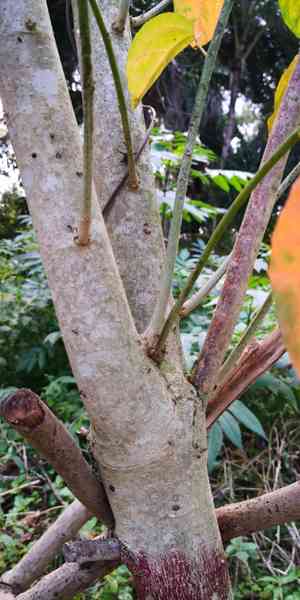
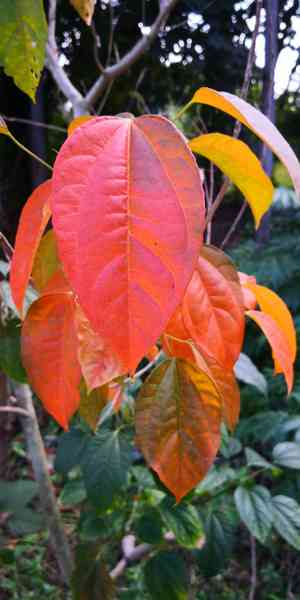
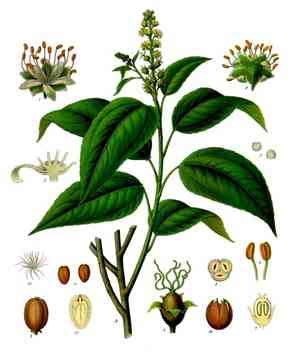
Look for small tree or shrub with ovate to elliptic leaves that are glossy green. The flowers are small, typically white or pale yellow, and the fruit is a capsule containing large seeds.

Scientific Classification of Purging croton

Phylum
Vascular plants
Class
Dicotyledons
Order
Malpighiales
Family
Spurge
Genus
Rushfoils
Species
Purging croton

Planting and Growing of Purging croton

Care Difficulty
Hard
Watering Schedule
Every 2 days
Sunlight Requirements
Partial sun
Sunshine Duration
10-12 hours
Ideal Temperature
68-77℉
Soil Type
Potting Mix, Peat Mix
Soil pH
6.5-7.5
Fertilizer Type
Balanced
Pruning Season
Spring, Summer
Pruning Area
Branches, Leaves
Pruning Frequency
2 times a year
Repotting Season
Spring
Pot Type
Plastic, Ceramic

water icon How to Water Purging croton?

When watering Croton tiglium, aim to thoroughly moisten the soil without making it soggy. Use approximately 250ml of water per session, ensuring it reaches down to the root zone. Always let the top inch of the soil dry out before watering again to prevent waterlogging.
What are the symptoms of an underwatered Purging croton?
What should I do if my Purging croton is not getting enough water?
What are the symptoms of an overwatered Purging croton?
How to save an overwatered Purging croton?

sunlight icon What Are the Sunlight Requirements for Purging croton?

Sunlight Requirements: Partial sun
Duration of light: 4-6 hours per day
Partial sun exposure benefits Croton tiglium, promoting vibrant colors and healthy leaf growth. This balance ensures the plant photosynthesizes to maintain vigor and aesthetics.
What is the ideal light condition for Croton tiglium?
How can you achieve ideal lighting for Croton tiglium?
What are the benefits of Croton tiglium getting ideal lighting?

temperature icon What Is the Ideal Temperature Range for Purging croton?

Ideal Temperature: 68 ~ 77℉
The ideal temperature range for Croton tiglium is between 68°F and 77°F. This ensures optimal growth and vibrant leaf coloration. Maintaining these temperatures encourages robust health and prevents stress-related symptoms in the plant.

soil icon What Soil is Best for Purging croton?

Soil type: Sandy loam, Loam
Soil PH: 6.5 ~ 7.5
Croton tiglium thrives best in well-draining soil to prevent root rot. Ensuring good drainage allows for optimal root aeration and helps maintain the ideal moisture balance, crucial for healthy growth and vibrant foliage. This plant prefers soil rich in organic matter to support its robust growth. A nutrient-rich substrate provides essential macro and micro-nutrients that enhance leaf color and overall vitality. Maintaining consistent soil moisture is key for Croton tiglium. Regular watering routines help prevent fluctuations that can stress the plant, ensuring stable growth environments.

fertilize icon How to Fertilize Purging croton?

Fertilizer type: Balanced
When fertilizing Croton tiglium, ensure that you apply moderate amounts. For liquid fertilizers, use a solution with a concentration of 1/4 strength. For slow-release fertilizers, evenly distribute a handful around the base of the plant, ensuring that you do not overapply, as this can harm the plant.

prune icon How to Prune Purging croton?

Pruning Time: Spring, Summer, Autumn
Begin by assessing the overall structure of Croton tiglium. Identify branches that are crossing or growing inward, as these can inhibit air flow and should be pruned. Immediately remove any branches that appear dead or diseased. This helps in preventing the spread of pathogens and keeps the plant focused on healthy growth. To encourage a bushier growth, trim back the stem tips of Croton tiglium. This stimulates the plant to produce side branches, resulting in a fuller, more robust plant.

propagate icon How to Propagate Purging croton plant?

Propagate Time: Spring,Late spring,Early spring,Summer
1
Harvest the seeds from mature Croton tiglium pods when the pods turn brown and begin to split open. This indicates that the seeds are ready for planting.
2
Select healthy, semi-mature stems from the parent plant. Cut a section about 4-6 inches long, ensuring there are at least two nodes on the cutting.
3
For seeds, sow them into the seed tray filled with soilless potting mix. For cuttings, place them in a rooting hormone before planting into the propagation medium.

repot icon How to Repot Purging croton plant?

Repotting frequency: Every 1-2 years
1
Croton tiglium should be repotted when roots start growing out of the drainage holes or the soil becomes compacted and hard. These signs indicate that the plant’s growth is restricted and it requires more space to thrive. Timely repotting can help ensure healthy growth and vibrant foliage.
2
Select a pot that is one size larger than the current one. It should have adequate drainage holes to prevent waterlogging, which can be detrimental to the plant’s roots. A slightly larger pot allows room for root expansion, promoting healthier growth and reducing the risk of root rot.
3
Opt for a well-draining potting mix designed for tropical plants. This soil should retain some moisture while allowing excess water to flow through, preventing root rot. A mix with peat, perlite, and compost provides the right balance of moisture retention and aeration needed by Croton tiglium.

ForwardPlant - Identify plants with a snap

Find the best spots for them to optimize their health, simply using your phone.

Try for Free

Toxicity of Purging croton

Is Purging croton toxic to humans?

The Purging croton, a highly toxic tree, poses significant dangers. Every part of this plant is harmful, particularly the small green berry that may be easily confused with edible varieties. Exposure through skin or eye contact increases the risk of poisoning, leading to blisters and dermatitis; in instances of eye contact, keratoconjunctivitis may occur. Ingestion can cause severe symptoms including a burning sensation in the mouth and esophagus, stomach pain, diarrhea, and vomiting. Additional effects may encompass dizziness, delirium, headaches, convulsions, and even death. The toxic compounds found in Croton tiglium include phorbol, phorbol esters, and crotin.

Identify toxic plants for your safety

Learn which plants are harmful to you and your pets, and make informed choices for a safer home!

Try for Free
WARNING
The judgment on toxicity and danger is for reference only. We DO NOT GUARANTEE any accuracy of such judgment. Therefore, you SHALL NOT rely on such judgment. It is IMPORTANT TO SEEK PROFESSIONAL ADVICE in advance when necessary.
More About Toxic Techniques