
Torrey's croton (Croton incanus)
Also known as: Some common names of Croton incanus
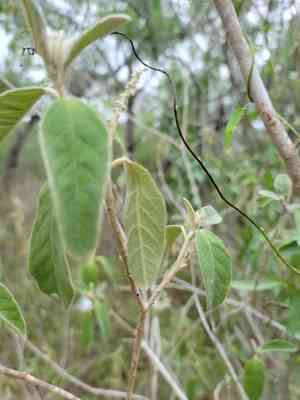
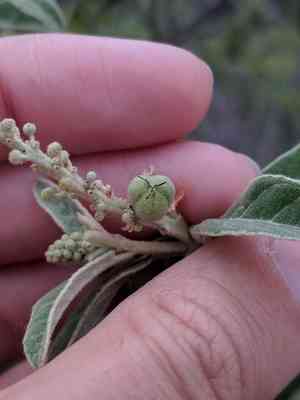
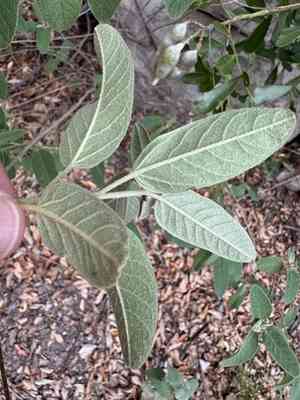
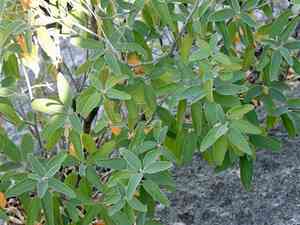
Torrey's croton thrives in arid environments thanks to several key adaptations. The plant has dense, silver-gray, inrolled leaves that give it a grey-felted appearance. This unique leaf structure helps reflect sunlight and minimize water loss. Additionally, the foliage stands out with its striking color, providing a visual contrast in predominantly green landscapes. The plant's flowers are small and less noticeable, keeping the focus on its adaptive foliage. These characteristics collectively make Torrey's croton well-suited to survive in dry conditions.
In This Article
Attributes of Torrey's croton
Lifespan
Perennial
Plant Type
Shrub
Plant Height
1 to 3 meters
Spread
Varies significantly, generally around 1-2 meters
Leaf Color
Silvery-green due to dense hairiness
Flower Size
Tiny, typically less than 1 cm
Flower Color
Yellowish to green
Images of Torrey's croton
Quickly Identify Torrey's croton
1
Identifying Croton incanus involves examining its densely hairy leaves, typically triangular to lance-shaped, and its small, inconspicuous flowers grouped in clusters.
Scientific Classification of Torrey's croton
Phylum
Vascular plants
Class
Dicotyledons
Order
Malpighiales
Family
Spurge
Genus
Rushfoils
Species
Torrey's croton
Planting and Growing of Torrey's croton
Care Difficulty
Moderate
Watering Schedule
Every 2 days
Sunlight Requirements
Partial sun
Sunshine Duration
4-6 hours
Ideal Temperature
65-75℉
Soil Type
Potting Mix, Peat Mix
Soil pH
6.5-7.5
Fertilizer Type
Balanced
Pruning Season
Spring, Summer
Pruning Area
Branches, Leaves
Pruning Frequency
2 times a year
Repotting Season
Spring
Pot Type
Plastic, Ceramic
 How to Water Torrey's croton?
Croton incanus loves well-drained soil that is kept moderately moist. Watering around 300 ml at a time should suffice to ensure the soil remains damp but not waterlogged. It's important to aim for a balance where the soil feels like a wrung-out sponge.
What are the symptoms of an underwatered Torrey's croton?
›
What should I do if my Torrey's croton is not getting enough water?
›
What are the symptoms of an overwatered Torrey's croton?
›
How to save an overwatered Torrey's croton?
›
 What Are the Sunlight Requirements for Torrey's croton?
Croton incanus thrives best in partial sun to full sun, benefiting from 4-6 hours of light daily. Ideal light promotes lush, healthy foliage, enhancing its appearance and vigor.
How much light does Croton incanus need daily?
›
Can Croton incanus tolerate full sun?
›
What are the solutions for achieving ideal light conditions for Croton incanus?
›
 What Is the Ideal Temperature Range for Torrey's croton?
The ideal temperature range for Croton incanus is between 65°F and 75°F. This range ensures optimal growth and health for the plant, allowing it to photosynthesize efficiently and maintain its structural integrity. It is crucial to keep the plant within this range to prevent stress and promote thriving conditions.
 What Soil is Best for Torrey's croton?
Croton incanus thrives in soil rich in organic matter, providing essential nutrients that promote robust growth and vibrant foliage. Ensuring good drainage prevents root rot, allowing Croton incanus roots to breathe freely, essential for maintaining healthy plant structure. Requires a balance of moisture retention to keep the roots hydrated while avoiding waterlogging, crucial for sustaining plant vitality.
 How to Fertilize Torrey's croton?
For Croton incanus, use a balanced liquid fertilizer at half the usual strength. This plant prefers a gentle nutrient supply to avoid root burn. Ideally, apply 5-10 ml per liter of water.
 How to Prune Torrey's croton?
Before pruning Croton incanus, make sure to have sharp and clean pruning shears. This ensures smooth cuts that minimize plant damage and reduce the risk of disease. Sterilize the shears with alcohol to prevent any potential contamination. Look for any dead, damaged, or diseased branches. These should be your primary targets for removal, as eliminating them will boost the plant's overall health and direct energy toward new growth. Cut back any overly long or unruly branches to maintain the plant's aesthetic shape. This encourages a bushier and more visually appealing appearance. Make cuts just above a leaf node to promote new branching.
More About Pruning Techniques→
 How to Propagate Torrey's croton plant?
1
Choose healthy, mature stems from the mother plant. The chosen stem should be around 4 to 6 inches long and free from any diseases or pests to ensure a successful propagation process.
2
Remove leaves from the lower half of the stem cutting carefully. This step is crucial to prevent rotting and to facilitate easier planting into the soil or rooting medium.
3
Dip the cut end of the stem in rooting hormone before planting it into a well-drained potting mix. Ensure the cutting is placed deep enough for stability, and then water gently to settle the soil.
 How to Repot Torrey's croton plant?
1
Croton incanus needs repotting when its roots begin to emerge from the drainage holes, or when growth stagnates despite optimal conditions. Another indication is when water starts to pool on the soil surface due to compacted soil. Spring or Summer is the ideal time to repot, as the plant is actively growing and can easily recover from any shock.
2
Select a pot that is one size larger than the current one and ensure it has sufficient drainage holes. A slightly larger pot encourages gentle, sustained growth and prevents the plant from becoming root-bound too quickly. Terracotta pots are a great choice as they offer breathability, preventing overwatering issues by allowing moisture to evaporate through the walls.
3
Opt for a well-draining, organic-rich soil mix, preferably a combination of peat, perlite, and pine bark. This mix provides the necessary aeration and water retention without compacting. The soil's organic content also ensures a steady, slow release of nutrients, creating an ideal environment for Croton incanus to thrive.
Toxicity
Ingestion, Skin Contact
WARNING
The judgment on toxicity and danger is for reference only. We DO NOT GUARANTEE any accuracy of such judgment. Therefore, you SHALL NOT rely on such judgment. It is IMPORTANT TO SEEK PROFESSIONAL ADVICE in advance when necessary.



