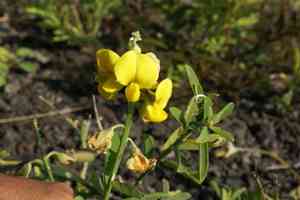
longbeak rattlebox (Crotalaria) (Crotalaria)
Also known as: Rattlebox, Rattlepod
The longbeak rattlebox, a genus comprising numerous flowering plants and shrubs, typically thrives in moist and waterlogged environments. Many species within this genus are cultivated for their ornamental beauty and attractiveness to pollinators. These plants serve as the primary food source for several rare moths, which consume the toxic alkaloids found in the longbeak rattlebox and repurpose these toxins for their own defense mechanisms.
In This Article
Attributes of longbeak rattlebox (Crotalaria)
Lifespan
Annual, Perennial
Plant Height
0.5 to 3 meters
Spread
0.5 to 1.5 meters
Leaf Color
Green
Flower Size
1 to 2 centimeters
Flower Color
Yellow
Images of longbeak rattlebox (Crotalaria)
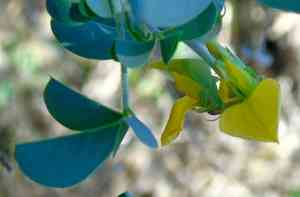
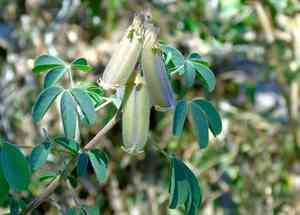
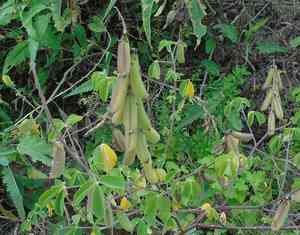
Quickly Identify longbeak rattlebox (Crotalaria)
1
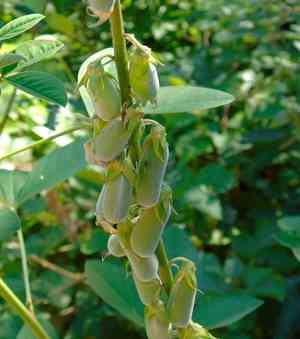
Crotalaria can be identified by its characteristic yellow flowers, trifoliate leaves, and rattling seed pods. The seed pods are typically hairy and contain several seeds. The plant often grows erect and can have varied heights.
Scientific Classification of longbeak rattlebox (Crotalaria)
Phylum
Tracheophyta
Class
Magnoliopsida
Order
Fabales
Family
Fabaceae
Genus
Crotalaria
Planting and Growing of longbeak rattlebox (Crotalaria)
Care Difficulty
Moderate
Watering Schedule
Every 3 days
Sunlight Requirements
Full sun
Sunshine Duration
6-10 hours
Ideal Temperature
70-85℉
Soil Type
Potting Mix, Peat Mix
Soil pH
6.5-7.5
Fertilizer Type
Balanced
Pruning Season
Spring, Summer
Pruning Area
Branches, Leaves
Pruning Frequency
Once a year
Repotting Season
Spring
Pot Type
Terracotta, Plastic
 How to Water longbeak rattlebox (Crotalaria)?
When watering Crotalaria, aim to give it around 500 ml each time. This plant prefers to be watered evenly without waterlogging the soil. The goal is to keep the soil moist but not soggy, ensuring that the top inch of the soil is dried out between waterings.
What are the symptoms of an underwatered longbeak rattlebox (Crotalaria)?
›
What should I do if my longbeak rattlebox (Crotalaria) is not getting enough water?
›
What are the symptoms of an overwatered longbeak rattlebox (Crotalaria)?
›
How to save an overwatered longbeak rattlebox (Crotalaria)?
›
 What Are the Sunlight Requirements for longbeak rattlebox (Crotalaria)?
Crotalaria thrives in full sun to partial sun settings, meaning it can flourish with at least four hours of daily sunlight. Ideal lighting leads to optimal growth and flowering.
How much sunlight should Crotalaria ideally receive?
›
What solutions can I adopt to ensure Crotalaria receives optimal sunlight?
›
What are the benefits of Crotalaria receiving the ideal amount of sunlight?
›
 What Is the Ideal Temperature Range for longbeak rattlebox (Crotalaria)?
Crotalaria thrives best within an ideal temperature range of 70°F to 85°F. Maintaining this temperature allows the plant to perform photosynthesis efficiently, contributing to optimal growth and development. Within this range, the plant experiences minimized stress and increased vitality, enabling it to produce vibrant flowers and robust foliage.
 What Soil is Best for longbeak rattlebox (Crotalaria)?
Crotalaria thrives best in soil that drains well, preventing waterlogging which can damage roots. This type of soil allows for proper air circulation and root growth, contributing to a healthier plant. Adding organic matter can significantly benefit Crotalaria, as it improves nutrient availability. This enriches the plant's growth and enhances flowering potential, ensuring a vibrant display. The soil should retain some moisture without becoming soggy. Proper moisture levels help maintain the plant's turgidity and support its metabolic processes efficiently.
 How to Fertilize longbeak rattlebox (Crotalaria)?
Crotalaria plants generally require a balanced and moderate amount of fertilizer. It's recommended to apply a diluted liquid fertilizer at half strength to avoid nutrient burns. A little goes a long way for these legumes, as they can fix nitrogen from the atmosphere.
 How to Prune longbeak rattlebox (Crotalaria)?
Begin by inspecting the plant for any dead or damaged branches. Removing these will prevent disease spread and encourage new growth. Use sharp, clean pruning shears to make precise cuts. Sterilize the tools before use to prevent the spread of pathogens. Trim back overly long branches to maintain the desired shape of the plant. Cut just above a node to encourage bushier growth. Thin out congested areas to improve airflow and light penetration. This helps in reducing the risk of fungal infections and encourages healthier growth. Water the plant thoroughly after pruning and consider applying a balanced fertilizer to support recovery and new growth.
 How to Propagate longbeak rattlebox (Crotalaria) plant?
1
Start by preparing a well-draining potting mix. Combine peat moss, perlite, and a little sand to ensure good aeration and water retention for young seedlings or cuttings.
2
Sow seeds in seed trays and cover them lightly with soil. Maintain a consistent moisture level without waterlogging. Place trays in a warm location with indirect sunlight to promote germination.
3
Select healthy stems from the parent plant, cut a 4-6 inches section below a node, and remove the lower leaves. Dip the cut end in rooting hormone to enhance root formation before planting in moistened growing medium.
 How to Repot longbeak rattlebox (Crotalaria) plant?
1
Look for signs such as roots growing through drainage holes, slower growth, or water not absorbing properly. These indicate it's time for repotting to give Crotalaria room to expand, ensuring continued healthy growth.
2
Select a pot that is one size larger than the current one, with plenty of drainage holes. This allows space for root growth and prevents waterlogging, which can lead to root rot—crucial for Crotalaria’s health.
3
Opt for a well-draining potting mix, slightly sandy. This mirrors the plant's natural environment, facilitating proper drainage and preventing root rot, while also offering the essential nutrients for growth.
Toxicity
Ingestion
WARNING
The judgment on toxicity and danger is for reference only. We DO NOT GUARANTEE any accuracy of such judgment. Therefore, you SHALL NOT rely on such judgment. It is IMPORTANT TO SEEK PROFESSIONAL ADVICE in advance when necessary.
Learn More About longbeak rattlebox (Crotalaria) Diseases
Anthracnose
Bacterial Leaf Spot
Bacterial Wilt
Crown Gall
Cyst Nematode
Damping-off
Downy Mildew
Drought Stress
Fusarium Wilt
Gray Mold
Leaf Spot
Mosaic
Nutrient Deficiency
Nutrient Toxicity
Powdery Mildew
Root Rot
Root-knot Nematode
Rusts
Sooty Mold
Spider Mites
Temperature Stress
Thrips Damage
White Mold
Chemical Injury

