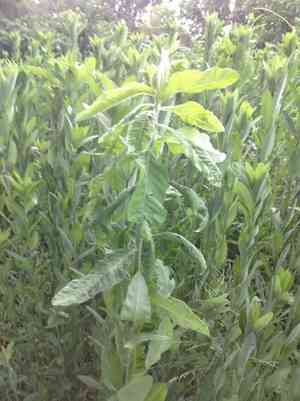
Sunn hemp (Crotalaria juncea)
Also known as: Brown hemp, Benares hemp
Sunn Hemp, a tropical legume native to India, is renowned for its attractive yellow flowers. Commonly cultivated for fodder and fiber, it can, however, be viewed as an invasive weed in certain regions.
In This Article
Attributes of Sunn hemp
Lifespan
Annual
Plant Type
Herb
Plant Height
50 cm to 1 m
Spread
2 m
Leaf Color
Green
Flower Size
30 cm
Flower Color
Yellow
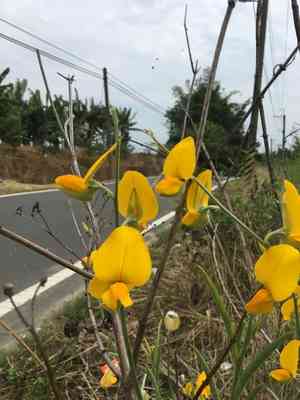
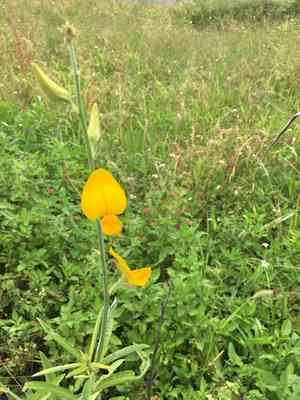
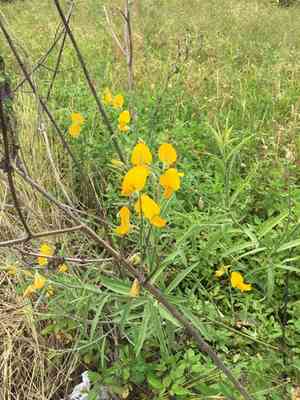
Images of Sunn hemp
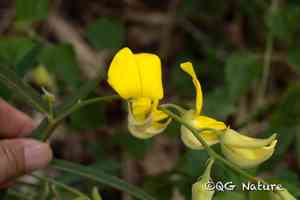
Quickly Identify Sunn hemp
1
The plant can be identified by its tall, erect stems that can reach up to 3 meters in height. The leaves are simple, lanceolate, and arranged alternately. Flowers are bright yellow, arranged in terminal racemes, and the fruits are inflated pods containing several seeds.
Scientific Classification of Sunn hemp
Phylum
Vascular plants
Class
Dicotyledons
Order
Fabales
Family
Legume
Genus
longbeak rattlebox
Species
Sunn hemp
Planting and Growing of Sunn hemp
Care Difficulty
Easy
Watering Schedule
Every 8 days
Sunlight Requirements
Full sun
Sunshine Duration
4-8 hours
Ideal Temperature
75-90℉
Soil Type
Potting Mix, Peat Mix
Soil pH
6.5-7.5
Fertilizer Type
Balanced
Pruning Season
Spring, Summer
Pruning Area
Branches, Leaves
Pruning Frequency
2 times a year
Repotting Season
Spring
Pot Type
Plastic, Ceramic
 How to Water Sunn hemp?
Crotalaria juncea should be watered thoroughly until the water drains from the bottom of the pot, which ensures that the root system is properly hydrated. It's important to let the soil dry partially between waterings as this plant prefers well-drained soil.
What are the symptoms of an underwatered Sunn hemp?
›
What should I do if my Sunn hemp is not getting enough water?
›
What are the symptoms of an overwatered Sunn hemp?
›
How to save an overwatered Sunn hemp?
›
 What Are the Sunlight Requirements for Sunn hemp?
Crotalaria juncea flourishes under full sun conditions, needing 6 to 8 hours of direct sunlight per day. This range optimizes photosynthesis, ensuring maximum flower production and high plant metabolism, enhancing its vitality and ornamental value.
More About Sunlight Requirements Techniques→
How much sunlight does Crotalaria juncea need daily?
›
How to ensure adequate sunlight for Crotalaria juncea indoors?
›
What are the benefits of providing ideal lighting conditions for Crotalaria juncea?
›
 What Is the Ideal Temperature Range for Sunn hemp?
The ideal temperature range for Crotalaria juncea, commonly known as sunn hemp, is between 75°F and 90°F. In this range, the plant can optimally photosynthesize and grow, maintaining its health and vigor while producing the best yield.
 What Soil is Best for Sunn hemp?
Crotalaria juncea thrives in well-drained soil, which helps to prevent root rot by allowing excess water to escape quickly. This is crucial for maintaining healthy roots and encourages robust plant growth. Soil rich in organic matter provides essential nutrients and supports beneficial microorganisms. This enriches the soil's fertility, enhancing Crotalaria juncea’s growth and leading to a more vigorous plant. The soil should hold enough moisture yet not remain waterlogged. This balance ensures the plant receives adequate water supply without the risk of standing water, which could damage the roots.
 How to Fertilize Sunn hemp?
For Crotalaria juncea, it is recommended to use a balanced organic fertilizer. Apply liquid fertilizer at a rate of approximately 10 ml per liter of water, ensuring the soil's nutrients are replenished without overburdening the plant.
 How to Prune Sunn hemp?
Begin by removing any dead or damaged stems to maintain plant health. This also minimizes pest habitats. Detach these sections close to their base without harming healthy parts. Trim the plant strategically to maintain a desirable shape, focusing on lateral shoots to encourage a bushier, balanced appearance. This gives the plant a neat, aesthetically pleasing silhouette. If the plant grows too tall, nip the tops of stems to control its height. This also encourages lateral branching, ensuring a fuller plant structure that can support more blooms.
More About Pruning Techniques→
 How to Propagate Sunn hemp plant?
1
Collect seeds from mature Crotalaria juncea pods when they have dried on the plant. Ensure they are completely dry to prevent mold and store them in a cool, dry place until sowing.
2
Sow the seeds evenly over the surface of a pot or seed tray filled with sterile potting mix. Cover lightly with more mix, ensuring they are not buried too deep to facilitate germination.
3
Water the sown seeds consistently, keeping the soil moist but not waterlogged. Place the tray in a warm location with indirect light to encourage stable growth.
 How to Repot Sunn hemp plant?
1
Crotalaria juncea should be repotted when you notice its roots are outgrowing the current pot or emerging through the drainage holes. Repotting should ideally be done during the growth season, particularly in spring or early summer. Also, reduced growth or yellowing leaves can signal nutrient depletion, indicating it's time for new soil.
2
Select a pot that is one size larger than the current one, with good drainage properties to prevent waterlogging. A slightly larger pot will give the roots more room to expand while ensuring the soil dries out between waterings, reducing the risk of root rot.
3
Opt for a well-draining potting mix, preferably one that mimics sandy or loamy soil, as Crotalaria juncea thrives in these conditions. This type of soil ensures good aeration and prevents water from pooling at the roots, which could lead to rot and other fungal diseases.
Toxicity
Ingestion
WARNING
The judgment on toxicity and danger is for reference only. We DO NOT GUARANTEE any accuracy of such judgment. Therefore, you SHALL NOT rely on such judgment. It is IMPORTANT TO SEEK PROFESSIONAL ADVICE in advance when necessary.



