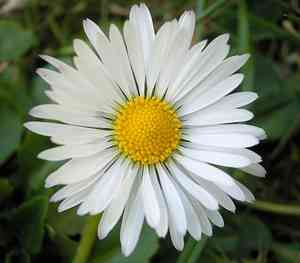
Slender scratch daisy (Croptilon divaricatum)
Also known as: Divaricate croptilon
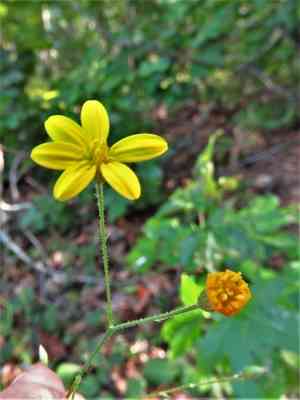
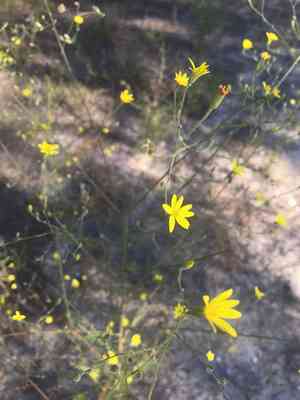
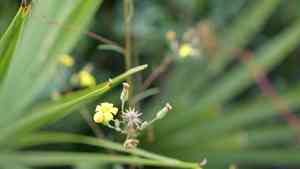
Croptilon divaricatum, also known as the spreading scratchdaisy, can be either an annual or perennial herb. It may grow up to 1.5 meters tall and develops a prominent taproot. The plant produces multiple yellow flower heads, each featuring up to 30 ray florets and approximately 100 disc florets.
In This Article
Attributes of Slender scratch daisy
Lifespan
Annual
Plant Type
Herb
Plant Height
0 mm to 30 cm
Spread
N/A
Leaf Color
Green
Flower Size
5-15 mm
Flower Color
Yellow
Images of Slender scratch daisy
Quickly Identify Slender scratch daisy
1
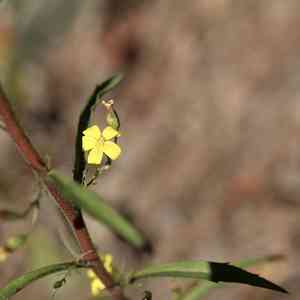
This plant can be identified by its branching habit, narrow leaves, and small yellow composite flowers. The flower heads are typically clustered at the ends of the stems.
Scientific Classification of Slender scratch daisy
Phylum
Vascular plants
Class
Dicotyledons
Order
Asterales
Family
Daisy
Genus
Scratchdaisy
Species
Slender scratch daisy
Planting and Growing of Slender scratch daisy
Care Difficulty
Easy
Watering Schedule
Every 2 days
Sunlight Requirements
Full sun
Sunshine Duration
6-10 hours
Ideal Temperature
60-75℉
Soil Type
Potting Mix, Peat Mix
Soil pH
6.5-7.5
Fertilizer Type
Balanced
Pruning Season
Spring, Summer
Pruning Area
Branches, Leaves
Pruning Frequency
2 times a year
Repotting Season
Spring
Pot Type
Plastic, Ceramic
 How to Water Slender scratch daisy?
When watering Croptilon divaricatum, aim to moisten the soil evenly allowing the water to seep down to a depth of about six inches. This ensures that the roots receive adequate moisture without oversaturating. It's crucial to let the top inch of soil dry out before watering again to prevent root rot.
What are the symptoms of an underwatered Slender scratch daisy?
›
What should I do if my Slender scratch daisy is not getting enough water?
›
What are the symptoms of an overwatered Slender scratch daisy?
›
How to save an overwatered Slender scratch daisy?
›
 What Are the Sunlight Requirements for Slender scratch daisy?
Croptilon divaricatum flourishes best in conditions with full to partial sun exposure. Optimal light ensures robust growth, maximizes blooming potential, and enhances the plant's vigor and resistance to disease.
Why does Croptilon divaricatum prefer full sun?
›
What if I can't provide full sun all day?
›
How does proper lighting affect Croptilon divaricatum?
›
 What Is the Ideal Temperature Range for Slender scratch daisy?
The ideal temperature range for growing Croptilon divaricatum is between 60°F and 75°F. This range ensures optimal photosynthesis and overall growth, as the plant can efficiently use available resources. Maintaining temperatures within this range will also help to prevent stress, promoting a healthy and resilient plant.
 What Soil is Best for Slender scratch daisy?
Croptilon divaricatum thrives in well-draining soils that prevent root rot by allowing excess water to escape, ensuring healthy root development and plant growth. A balanced nutrient profile, particularly with adequate levels of nitrogen and phosphorus, supports robust growth and vibrant flowering of Croptilon divaricatum. Incorporating organic matter into the soil enhances its structure, improves nutrient supply, and maintains moisture levels, which benefits Croptilon divaricatum.
 How to Fertilize Slender scratch daisy?
For Croptilon divaricatum, it is vital to maintain a balanced approach to fertilization. Apply a diluted liquid fertilizer containing equal parts of essential nutrients like nitrogen, phosphorus, and potassium. Use about one teaspoon per gallon of water to ensure optimal growth without overloading the plant with nutrients.
 How to Prune Slender scratch daisy?
Identify dead, damaged, or diseased branches and remove them first. This will help the plant direct its energy towards healthy growth. Aim to create a rounded, bushy shape by trimming back long or unruly growth. This encourages denser foliage and enhances the plant's natural form. After pruning, clear away fallen leaves and branches from the base of the plant to prevent pests and diseases.
More About Pruning Techniques→
 How to Propagate Slender scratch daisy plant?
1
Begin by soaking the seeds of Croptilon divaricatum in lukewarm water for 24 hours to soften their outer shell. This aids in germination by allowing water to penetrate the seed coat more effectively.
2
Select a healthy parent plant and cut a segment with a sharp, sanitized tool. Dip the cutting tip in a rooting hormone to stimulate root development before placing it in a potting mix.
3
For division propagation, gently remove the plant from its container and separate the root ball into sections. Each section should contain ample roots and at least one budding point.
 How to Repot Slender scratch daisy plant?
1
Look for signs like roots growing out of the drainage holes, soil drying out too quickly, or slowed growth. These are strong indicators that it's time to repot your Croptilon divaricatum to give it more space to flourish.
2
Select a pot that is one to two inches larger in diameter than the current one. This ensures the plant has room to grow while preventing the soil from retaining too much moisture, which is beneficial for root health.
3
Opt for a well-draining sandy loam soil mix, which is perfect for avoiding water retention that can lead to root rot. Such soil facilitates air circulation and proper drainage, promoting a healthy root system.
Learn More About Slender scratch daisy Diseases
Anthracnose
Bacterial Leaf Spot
Bacterial Wilt
Chemical Injury
Crown Gall
Cyst Nematode
Damping-off
Downy Mildew
Drought Stress
Fusarium Wilt
Gray Mold
Leaf Spot
Mosaic
Nutrient Deficiency
Nutrient Toxicity
Powdery Mildew
Root Rot
Root-knot Nematode
Rusts
Sooty Mold
Spider Mites
Temperature Stress
Thrips Damage
White Mold



