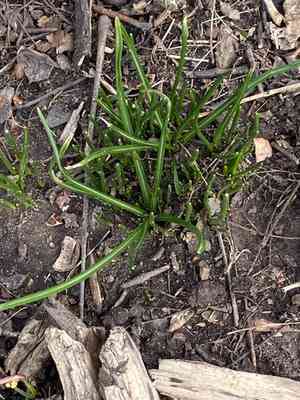
Crocuses (Crocus) (Crocus)
Also known as: Saffron crocus, Autumn crocus
Crocuses are flowering plants that can bloom in autumn, winter, or spring. The name "crocus" originates from the Greek word "krokos," which means saffron, reflecting the spice harvested from the Crocus sativus species. They are often grown for their decorative appeal in gardens and landscapes, as well as for the commercial production of saffron.
In This Article
Attributes of Crocuses (Crocus)
Lifespan
Perennial
Plant Height
5 cm to 15 cm
Spread
8 cm to 15 cm
Leaf Color
Green
Flower Size
2.5 cm to 8 cm
Flower Color
Purple, lilac, yellow, white
Images of Crocuses (Crocus)


Quickly Identify Crocuses (Crocus)
1
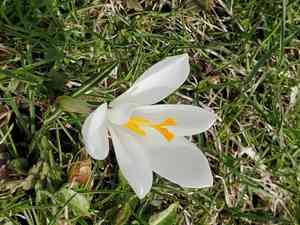
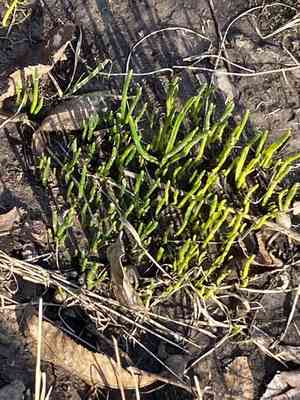
Crocuses can be identified by their cup-shaped, solitary, salverform flowers with grass-like leaves. The flowers come mainly in shades of yellow, white, and purple.
Scientific Classification of Crocuses (Crocus)
Phylum
Magnoliophyta
Class
Monocotyledonae
Order
Asparagales
Family
Iridaceae
Genus
Crocus
Planting and Growing of Crocuses (Crocus)
Care Difficulty
Moderate
Watering Schedule
Every 2 days
Sunlight Requirements
Full sun
Sunshine Duration
6-10 hours
Ideal Temperature
50-65℉
Soil Type
Potting Mix, Peat Mix
Soil pH
6.5-7.5
Fertilizer Type
Balanced
Pruning Season
Spring, Summer
Pruning Area
Branches, Leaves
Pruning Frequency
2 times a year
Repotting Season
Spring
Pot Type
Plastic, Ceramic
 How to Water Crocuses (Crocus)?
Crocus plants prefer well-drained soil and are susceptible to overwatering. Ensure the soil is moist but not waterlogged. Water approximately 250 milliliters per session, allowing the top inch of soil to dry out before watering again.
What are the symptoms of an underwatered Crocuses (Crocus)?
›
What should I do if my Crocuses (Crocus) is not getting enough water?
›
What are the symptoms of an overwatered Crocuses (Crocus)?
›
How to save an overwatered Crocuses (Crocus)?
›
 What Are the Sunlight Requirements for Crocuses (Crocus)?
Crocus prefers conditions with 4-8 hours of sunlight, ideally with morning sun and afternoon shade. This balance fosters robust blooms and vibrant foliage, encouraging genetic potential fulfillment.
What is the best location?
›
How to achieve ideal lighting?
›
Benefits of ideal lighting?
›
 What Is the Ideal Temperature Range for Crocuses (Crocus)?
Crocus plants thrive in a temperature range of 50°F to 65°F. These conditions mimic their native environment, ensuring optimal growth and flowering. Consistent temperatures within this range facilitate proper metabolism and photosynthesis, resulting in robust blooms and healthy foliage.
 What Soil is Best for Crocuses (Crocus)?
Crocus requires soil that drains well to prevent waterlogging, which can lead to root rot. Well-draining soil ensures the bulbs stay dry enough to flourish, increasing their ability to bloom vibrantly. A loamy soil enriched with organic matter is ideal for Crocus, as it provides essential nutrients aiding their growth. This helps in producing larger and more colorful blooms. Crocus thrives in soil that retains enough moisture to keep bulbs hydrated but not saturated. Ensuring moderate moisture helps balance water supply for optimal growth without risking fungal issues.
 How to Fertilize Crocuses (Crocus)?
For Crocus, use a balanced fertilizer with an N-P-K ratio like 10-10-10. During the growing season, apply liquid fertilizer at half the recommended strength, ensuring the nutrients are accessible without overwhelming the plant. Avoid over-fertilizing, as this can harm the bulbs.
 How to Prune Crocuses (Crocus)?
Once the blooms have faded, gently remove the dead flowers. This prevents the plant from expending energy on seed production and encourages it to store nutrients in the corm for next year's growth. Allow the foliage to grow and die back naturally. After the foliage has turned yellow and withered, it can be trimmed back to ground level. This process ensures the plant has completed photosynthesis and stored enough energy for the next season.
 How to Propagate Crocuses (Crocus) plant?
1
Start by filling seed trays with well-draining soil mix, then evenly spread the crocus seeds across the surface. Lightly cover them with a thin layer of soil or sand. Water gently to avoid washing away the seeds. Place the tray in a location with indirect light.
2
In early spring or late autumn, carefully lift existing crocus clumps with a garden spade. Gently separate the corms, ensuring each has a part of the root system. Replant them immediately in well-prepared soil with appropriate spacing.
3
Ensure the soil around newly planted seeds or corms is consistently moist but not waterlogged. Over-watering can lead to rot, especially in cooler temperatures. Use a watering can for controlled and gentle watering.
 How to Repot Crocuses (Crocus) plant?
1
Repotting crocuses should be done when the bulbs have outgrown the pot or the soil has become depleted of nutrients. Look for signs like crowded bulbs, slow growth, or poor flowering. These indicators suggest it's time to refresh their environment for optimal growth.
2
Select a pot that is just one size larger than the current one, ensuring it has drainage holes at the bottom. This helps in avoiding waterlogging, which can cause bulb rot. A shallow container is preferable as crocuses do not have extensive root systems, ensuring they don't sit in water.
3
Choose a well-draining sandy soil mix to prevent excess moisture retention around the bulbs. This type of soil mimics their natural conditions and reduces the risk of rot, promoting healthy growth and vibrant blooming of crocuses.
Toxicity
Ingestion
WARNING
The judgment on toxicity and danger is for reference only. We DO NOT GUARANTEE any accuracy of such judgment. Therefore, you SHALL NOT rely on such judgment. It is IMPORTANT TO SEEK PROFESSIONAL ADVICE in advance when necessary.

