Saffron crocus(Crocus sativus)

Saffron crocus (Crocus sativus)

Also known as: Autumn crocus, Persian saffron

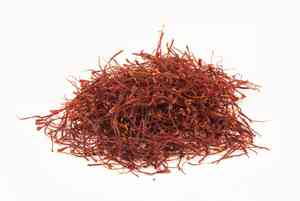
Saffron comes from the Crocus sativus flower, a member of the iris family. The spice is derived from the flower's filaments. It takes a staggering 75,000 flowers to produce just one pound of saffron, which explains why it ranks among the most costly spices globally.

Attributes of Saffron crocus

Lifespan
Perennial
Plant Type
Herb
Plant Height
10 cm to 30 cm
Spread
10 cm
Leaf Color
Green
Flower Size
2.5 cm to 3 cm
Flower Color
Purple

ForwardPlant - Identify plants with a snap

Identify and diagnose plants, get toxicity alerts, and explore safety guides for all types of fungi.

Try for Free

Images of Saffron crocus

Saffron crocus(Crocus sativus)

Quickly Identify Saffron crocus

1
Vibrant purple to lavender flowers with reddish-orange stigmas
2
Linear green leaves with a central white stripe, up to 16 inches (40 cm) long
3
Night-closing behavior, blooms for 14 days in fall

Scientific Classification of Saffron crocus

Phylum
Vascular plants
Class
Monocotyledons
Order
Asparagus and allies
Family
Iris
Genus
Crocuses
Species
Saffron crocus

Planting and Growing of Saffron crocus

Care Difficulty
Moderate
Watering Schedule
Every 3 days
Sunlight Requirements
Full sun
Sunshine Duration
4-8 hours
Ideal Temperature
59-77℉
Soil Type
Potting Mix, Peat Mix
Soil pH
6.5-7.5
Fertilizer Type
Balanced
Pruning Season
Spring, Summer
Pruning Area
Branches, Leaves
Pruning Frequency
2 times a year
Repotting Season
Spring
Pot Type
Plastic, Ceramic

water icon How to Water Saffron crocus?

Crocus sativus thrives with moderate watering, meaning the soil should neither be dry nor waterlogged. Typically, 250 ml per watering is sufficient to keep the soil evenly moist, not drenched. The key is to aim for a light saturation where the water is just able to penetrate deeply into the bulb's root zone.
What are the symptoms of an underwatered Saffron crocus?
What should I do if my Saffron crocus is not getting enough water?
What are the symptoms of an overwatered Saffron crocus?
How to save an overwatered Saffron crocus?

sunlight icon What Are the Sunlight Requirements for Saffron crocus?

Sunlight Requirements: Full sun
Duration of light: 6-8 hours daily
Crocus sativus flourishes in full sun, where it receives consistent sunlight for 6-8 hours daily. Optimal lighting ensures vigorous blooms vital for saffron production and healthy growth.
Does Crocus sativus prefer direct sunlight?
How can I ensure enough sunlight for my saffron crocus?
What are the benefits of ideal sunlight exposure for saffron crocus?
More About Sunlight Requirements Techniques

temperature icon What Is the Ideal Temperature Range for Saffron crocus?

Ideal Temperature: 59 ~ 77℉
The ideal temperature range for Crocus sativus, also known as saffron crocus, is between 59°F and 77°F. This range is optimal for bulb development and flowering. Temperatures within this range allow the plant to obtain necessary energy for physiological processes while minimizing stress factors that can lead to suboptimal growth.

soil icon What Soil is Best for Saffron crocus?

Soil type: Sandy soil, Sandy loam, Loam
Soil PH: 6.5 ~ 7.5
Crocus sativus thrives in well-drained soil, which prevents waterlogged conditions. Such soil helps the bulbs avoid rot, ensuring healthy growth and a bountiful saffron harvest. This plant benefits from nutrient-rich soil that provides adequate food for energy-intensive flower production. Organic matter or compost can improve soil fertility, boosting healthy blooms. Good soil aeration is essential for Crocus sativus, as it allows air to reach the bulbs. This promotes root health and supports lush, vibrant growth from the nutrient uptake. More About Soil

fertilize icon How to Fertilize Saffron crocus?

Fertilizer type: Balanced
Crocus sativus, commonly known as saffron crocus, has specific needs for fertilization. For liquid fertilizers, use a balanced formula like 10-10-10 at the rate of one tablespoon per gallon of water. For solid fertilizers, such as slow-release granules, apply approximately two pounds per 100 square feet. The focus should be on providing evenly distributed nutrients that encourage healthy bulb development. More About Fertilizing Techniques

prune icon How to Prune Saffron crocus?

Pruning Time: Autumn
Crocus sativus leaves that are still green should not be pruned. These leaves continue to produce nutrients for the bulb, which is crucial for future blooming cycles. While pruning, be on the lookout for pests like aphids or spider mites that can harm the plant. If detected, act promptly using appropriate organic or chemical treatments. Dispose of the removed plant material properly, especially if disease was present. Avoid composting infected foliage to prevent contamination of your garden compost. More About Pruning Techniques

propagate icon How to Propagate Saffron crocus plant?

Propagate Time: Autumn
1
Begin by selecting a well-drained and rich soil area for planting. Loosen the soil to a depth of about 6-8 inches, ensuring it is aerated. This will promote healthy root development and prevent waterlogging, which saffron plants are sensitive to.
2
Carefully use a garden fork to lift the saffron corms from the soil. Divide the corms gently by separating the new offsets, ensuring each section has a viable shoot and roots. This promotes better growth and maximizes flowering potential.
3
Replant each divided corm in its new location, spacing them about 3-4 inches apart at a depth of 3-4 inches. Ensure that the pointed side is facing upward and cover gently with soil. Proper spacing is crucial for healthy development and air circulation.
More About Propagating Techniques

repot icon How to Repot Saffron crocus plant?

Repotting frequency: Every 3-4 years
1
Crocus sativus should be repotted when you notice the bulbs are overcrowded or if growth appears stunted. These signs usually mean the bulbs need more space or fresh nutrients. Typically, observing such signals in spring or autumn is ideal for repotting to ensure optimal growth and flowering.
2
Choose a pot that is at least 6 inches deep and has ample drainage holes. A terracotta pot is excellent for Crocus sativus as it allows excess moisture to evaporate, reducing the risk of root rot. The depth supports bulb growth while the drainage ensures bulbs don't sit in water, promoting a healthy root environment.
3
Opt for well-draining sandy loam soil when repotting Crocus sativus. This type of soil provides the necessary drainage to prevent waterlogging while retaining enough moisture to support the plant. It also allows air circulation to the roots, promoting healthy bulb development and vibrant blooms.

ForwardPlant - Identify plants with a snap

Find the best spots for them to optimize their health, simply using your phone.

Try for Free

Toxicity of Saffron crocus

Is Saffron crocus toxic to humans?

The saffron crocus has the potential to be toxic to humans upon consumption. The effects can range from serious to fatal. Every part of the plant is considered poisonous, with the highest concentration found in the seeds and flowers. Symptoms of poisoning result from alkaloids and may include intense salivation, vomiting, abdominal pain, and severe hemorrhagic diarrhea. It can impair kidney function and lead to liver failure. Certain individuals may exhibit symptoms of weakness and collapse. Given that this plant can be cultivated in home environments, it poses a significant danger to children.

Identify toxic plants for your safety

Learn which plants are harmful to you and your pets, and make informed choices for a safer home!

Try for Free
WARNING
The judgment on toxicity and danger is for reference only. We DO NOT GUARANTEE any accuracy of such judgment. Therefore, you SHALL NOT rely on such judgment. It is IMPORTANT TO SEEK PROFESSIONAL ADVICE in advance when necessary.
More About Toxic Techniques