Saffron crocus (Crocus sativus)
Also known as: Autumn crocus, Persian saffron
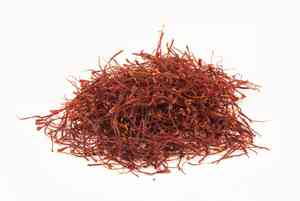
Saffron comes from the Crocus sativus flower, a member of the iris family. The spice is derived from the flower's filaments. It takes a staggering 75,000 flowers to produce just one pound of saffron, which explains why it ranks among the most costly spices globally.
Attributes of Saffron crocus
Images of Saffron crocus
Quickly Identify Saffron crocus
Scientific Classification of Saffron crocus
Planting and Growing of Saffron crocus
 How to Water Saffron crocus?
 What Are the Sunlight Requirements for Saffron crocus?
 What Is the Ideal Temperature Range for Saffron crocus?
 What Soil is Best for Saffron crocus?
 How to Fertilize Saffron crocus?
 How to Prune Saffron crocus?
 How to Propagate Saffron crocus plant?
 How to Repot Saffron crocus plant?
Toxicity of Saffron crocus
Is Saffron crocus toxic to humans?
The saffron crocus has the potential to be toxic to humans upon consumption. The effects can range from serious to fatal. Every part of the plant is considered poisonous, with the highest concentration found in the seeds and flowers. Symptoms of poisoning result from alkaloids and may include intense salivation, vomiting, abdominal pain, and severe hemorrhagic diarrhea. It can impair kidney function and lead to liver failure. Certain individuals may exhibit symptoms of weakness and collapse. Given that this plant can be cultivated in home environments, it poses a significant danger to children.



