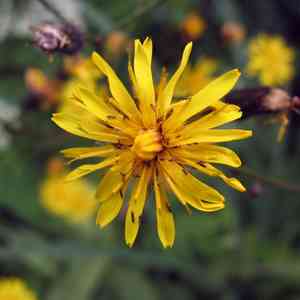
Hawksbeard (Crepis) (Crepis)
Also known as: Hawk's-beard
Hawksbeard, originating from the Mediterranean, is widespread across the Northern Hemisphere and parts of Africa. Its name derives from the Greek word 'krepis,' which translates to sandal, possibly alluding to the shape of its fruits. Resembling dandelions, Hawksbeard features round yellow flowers and is often found in meadows, grasslands, and along roadsides.
In This Article
Attributes of Hawksbeard (Crepis)
Lifespan
Biennial, Annual, Perennial
Plant Height
10-100 cm
Spread
Not applicable
Leaf Color
Green
Flower Size
1-3 cm
Flower Color
Yellow
Images of Hawksbeard (Crepis)
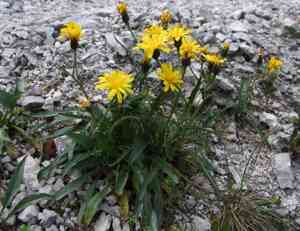
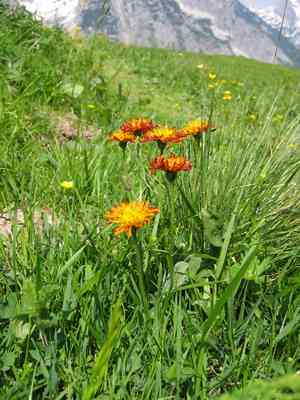
Quickly Identify Hawksbeard (Crepis)
1
Crepis species can be identified by their dandelion-like, lobed or toothed leaves, and yellow flowers that resemble those of dandelions but are often slightly smaller. The flowers are borne in clusters and the plants produce achenes, each crowned with a pappus that aids in wind dispersal.
Scientific Classification of Hawksbeard (Crepis)
Phylum
Magnoliophyta
Class
Magnoliopsida
Order
Asterales
Family
Asteraceae
Genus
Crepis
Planting and Growing of Hawksbeard (Crepis)
Care Difficulty
Moderate
Watering Schedule
Every 3 days
Sunlight Requirements
Full sun
Sunshine Duration
6-10 hours
Ideal Temperature
60-75℉
Soil Type
Potting Mix, Peat Mix
Soil pH
6.5-7.5
Fertilizer Type
Balanced
Pruning Season
Spring, Summer
Pruning Area
Branches, Leaves
Pruning Frequency
2 times a year
Repotting Season
Spring
Pot Type
Plastic, Ceramic
 How to Water Hawksbeard (Crepis)?
Crepis plants prefer their soil to be evenly moist but not waterlogged. You should aim to water them with about 250 ml per session, ensuring the top inch of soil is moist but not soggy. It's essential to allow the soil to dry slightly between waterings, which prevents root rot and supports healthy growth.
What are the symptoms of an underwatered Hawksbeard (Crepis)?
›
What should I do if my Hawksbeard (Crepis) is not getting enough water?
›
What are the symptoms of an overwatered Hawksbeard (Crepis)?
›
How to save an overwatered Hawksbeard (Crepis)?
›
 What Are the Sunlight Requirements for Hawksbeard (Crepis)?
Crepis thrives best with full sun to partial sun exposure, ideally between 4 to 6 hours daily. This range ensures effective photosynthesis, vibrant foliage, and blooming, contributing to overall plant vitality.
What is the best light environment for Crepis?
›
How to ensure Crepis receives ideal lighting?
›
What benefits does Crepis gain from ideal lighting?
›
 What Is the Ideal Temperature Range for Hawksbeard (Crepis)?
Crepis thrives best within temperatures of 60°F to 75°F. This range provides optimal conditions for physiological processes, such as photosynthesis and respiration. It ensures that the plant has enough warmth to promote active growth without risking overheating or prolonged exposure to cold, which might stress the plant.
 What Soil is Best for Hawksbeard (Crepis)?
Crepis thrives best in well-drained soil to prevent waterlogging and root rot. Good drainage allows for healthier root systems and better nutrient uptake, promoting strong growth and vibrant foliage. The soil fertility should be moderate to support the plant's growth without overwhelming it. Excess nutrients can lead to elongated growth with weaker stems, while moderate fertility ensures balanced and robust plant development. Crepis prefers sandy loam due to its ability to retain moderate moisture while offering excellent drainage. This balance ensures that the plant does not suffer from drought stress or excessive moisture, maintaining optimal health.
 How to Fertilize Hawksbeard (Crepis)?
For Crepis, the ideal fertilizer amount is a balance that supports healthy growth without overloading the plant. Use a diluted liquid fertilizer at half the recommended strength every couple of weeks during the growing season. For solid fertilizers, apply 50 grams per square meter, ensuring the nutrients are gradually released over time.
 How to Prune Hawksbeard (Crepis)?
Begin by identifying stems that are weak, dead, or leggy. These stems are often less vibrant in color. By identifying these early, you ensure that energy is directed toward the healthier parts of the plant, promoting balanced growth. Always use clean, sharp pruning shears for the task. This ensures a smooth cut and prevents the plant from unnecessary tearing. It also reduces the risk of transferring diseases between plants. When making cuts, aim to do so at a 45-degree angle. This helps in preventing water from resting on the cut surface, thereby reducing the risk of rot and ensuring the plant heals efficiently.
 How to Propagate Hawksbeard (Crepis) plant?
1
Begin by obtaining high-quality seeds from a reputable source. If you have harvested seeds, ensure they are clean and dry. Stratification or scarification may be beneficial to improve germination rates, depending on the specific Crepis species. This step helps break dormancy and prepares the seeds for planting.
2
Fill seed trays with fine potting mix, leaving about a centimeter from the top. Evenly distribute the seeds on the surface of the mix. Cover the seeds lightly with a thin layer of the mix or vermiculite. Ensure that the seeds are not buried too deep as this can inhibit germination. After covering, mist lightly with water.
3
Place the seed trays in a warm environment with indirect sunlight. Maintain a consistent temperature of around 18-22°C (65-72°F). Use a plastic dome or clear cover to retain humidity. Check regularly to ensure the soil surface remains moist but not waterlogged. This environment supports seed germination and early growth.
 How to Repot Hawksbeard (Crepis) plant?
1
Look for signs like roots emerging from drainage holes or the soil drying out faster than usual. These indicate that Crepis requires more space and resources, signaling the perfect moment to repot.
2
Opt for a pot just one size larger than the current one, with ample drainage holes. This prevents water stagnation and root rot, ensuring that Crepis enjoys a healthy root system and optimal growth.
3
Select a well-draining soil mix rich in organic matter. This type of soil provides excellent aeration and nutrient availability, promoting vigorous growth and preventing issues like waterlogging.
Learn More About Hawksbeard (Crepis) Diseases
Anthracnose
Bacterial Leaf Spot
Bacterial Wilt
Chemical Injury
Cyst Nematode
Damping-off
Downy Mildew
Drought Stress
Fusarium Wilt
Gray Mold
Leaf Spot
Mosaic
Nutrient Deficiency
Nutrient Toxicity
Powdery Mildew
Root Rot
Root-knot Nematode
Rusts
Sooty Mold
Spider Mites
Temperature Stress
Thrips Damage
White Mold

