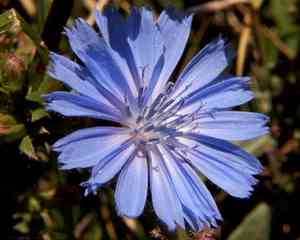
Nakedstem hawksbeard (Crepis pleurocarpa)
Also known as: Pleurocarpous Hawk's-beard
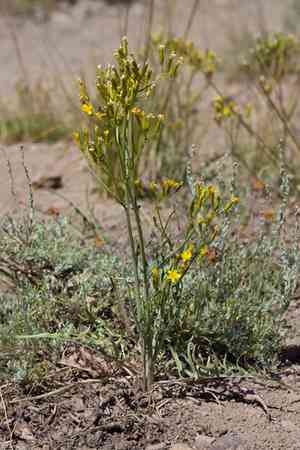
Nakedstem hawksbeard (Crepis atribarba) is a resilient perennial herb known for its bright yellow, dandelion-like flowers that bloom on thin, leafless stems. These stems rise from a basal rosette composed of lance-shaped leaves, which are designed to maximize light absorption. This plant typically inhabits grasslands, meadows, and rocky areas, showing a preference for well-drained soils. Its deep taproot allows it to thrive in various conditions by efficiently accessing water and nutrients, making it well-suited to both dry and moist environments but generally avoiding overly wet or heavily shaded locations.
In This Article
Attributes of Nakedstem hawksbeard
Lifespan
Biennial
Plant Type
Herb
Plant Height
30 to 70 cm
Spread
Typically not applicable for herbaceous plants
Leaf Color
Green
Flower Size
1.5 to 2.5 cm
Flower Color
Yellow
Images of Nakedstem hawksbeard
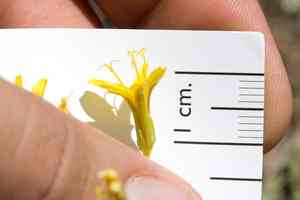
Quickly Identify Nakedstem hawksbeard
1
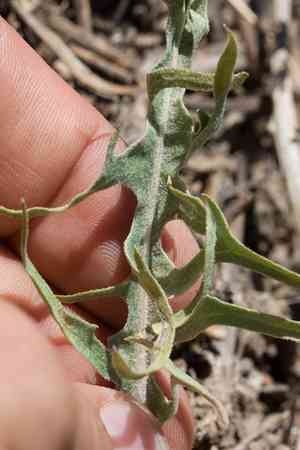
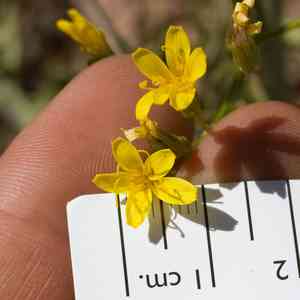
This plant can be identified by its dandelion-like flowers and lobed leaves. Its stem is unbranched, and the flowers are typically bright yellow.
Scientific Classification of Nakedstem hawksbeard
Phylum
Vascular plants
Class
Dicotyledons
Order
Asterales
Family
Daisy
Genus
Hawksbeard
Species
Nakedstem hawksbeard
Planting and Growing of Nakedstem hawksbeard
Care Difficulty
Moderate
Watering Schedule
Every 3 days
Sunlight Requirements
Full sun
Sunshine Duration
4-6 hours
Ideal Temperature
60-75℉
Soil Type
Potting Mix, Peat Mix
Soil pH
6.5-7.5
Fertilizer Type
Balanced
Pruning Season
Spring, Summer
Pruning Area
Branches, Leaves
Pruning Frequency
2 times a year
Repotting Season
Spring
Pot Type
Plastic, Ceramic
 How to Water Nakedstem hawksbeard?
For Crepis pleurocarpa, aim to water with about 250 ml per session, ensuring the soil remains slightly moist but not soggy. It's important to let the top half-inch of soil dry out between waterings, as this plant doesn't thrive in overly damp conditions.
What are the symptoms of an underwatered Nakedstem hawksbeard?
›
What should I do if my Nakedstem hawksbeard is not getting enough water?
›
What are the symptoms of an overwatered Nakedstem hawksbeard?
›
How to save an overwatered Nakedstem hawksbeard?
›
 What Are the Sunlight Requirements for Nakedstem hawksbeard?
Crepis pleurocarpa thrives in full to partial sun, translating to six to eight hours of sunlight daily. Adequate sunlight encourages robust growth and plentiful flowering, which are critical for its decorative appeal.
What is the best lighting condition for Crepis pleurocarpa?
›
How can you achieve the ideal lighting?
›
What benefits does ideal lighting provide?
›
 What Is the Ideal Temperature Range for Nakedstem hawksbeard?
The ideal temperature range for Crepis pleurocarpa is important because it provides the optimal conditions for growth and photosynthesis. Within this range of 60-75°F, the plant can efficiently maintain physiological processes necessary for robust development and health.
 What Soil is Best for Nakedstem hawksbeard?
Crepis pleurocarpa thrives in well-drained soil to prevent waterlogging, which can cause root rot. Well-drained soils help maintain optimal moisture levels, ensuring healthy root development and the overall vitality of the plant. The plant requires soil with moderate fertility to support its growth without excessive nutrient buildup. This balance prevents nutrient leaching and provides adequate sustenance for robust foliage and flowering. Good soil aeration is critical for Crepis pleurocarpa, as it enables efficient gas exchange and root oxygenation. This condition enhances root respiration and nutrient uptake, promoting vigorous growth.
 How to Fertilize Nakedstem hawksbeard?
The recommended amount of fertilizer for Crepis pleurocarpa involves using a balanced 10-10-10 NPK fertilizer. For liquid fertilizers, apply 1 tablespoon per gallon of water. Spread over the soil evenly for solid fertilizers, ensuring not to over-saturate one area. This amount supports the healthy development of the plant throughout the growing season.
 How to Prune Nakedstem hawksbeard?
Inspect the plant for signs of infestation before pruning. Removing affected areas can help control the spread of pests. Regularly check for signs of disease or nutrient deficiency. Pruning areas that appear discolored or unhealthy helps the rest of the plant remain vibrant and robust.
More About Pruning Techniques→
 How to Propagate Nakedstem hawksbeard plant?
1
Prepare a well-draining soil mix, ideally with components like sand and compost. This provides an ideal foundation for seeds or cuttings, promoting optimal growth and reducing water retention.
2
Sow the seeds on the surface of the soil in the seed tray. Lightly cover with a thin layer of soil or vermiculite to protect seeds while allowing light exposure.
3
Choose a healthy, disease-free stem and cut at a 45-degree angle. Dip the end in rooting hormone before inserting into the prepared moist soil to encourage root growth.
 How to Repot Nakedstem hawksbeard plant?
1
For Crepis pleurocarpa, consider repotting when you notice roots emerging from the drainage holes, or if the plant's growth has noticeably slowed. Spring and autumn, when the plant is not in active bloom, are ideal seasons. This ensures recovery time and limits stress.
2
Select a pot that’s about 2 inches wider than the current one, with ample drainage holes. A pot too large risks waterlogged soil. Terra cotta pots are often preferred as they allow breathability, reducing the risk of root rot by allowing excess moisture to evaporate.
3
Opt for well-draining soil, rich in organic matter. A sandy mix is ideal, as it mimics the plant's native conditions, preventing root rot and aiding in nutrient uptake. The blend of nutrients and excellent drainage creates an optimal environment for root health and growth.
Learn More About Nakedstem hawksbeard Diseases
Anthracnose
Bacterial Leaf Spot
Bacterial Soft Rot
Bacterial Wilt
Black Spot
Chemical Injury
Crown Gall
Cyst Nematode
Damping-off
Downy Mildew
Drought Stress
Fusarium Wilt
Gray Mold
Leaf Spot
Mosaic
Nutrient Deficiency
Nutrient Toxicity
Powdery Mildew
Root Rot
Root-knot Nematode
Rusts
Sooty Mold
Spider Mites
Temperature Stress
Thrips Damage
White Mold


