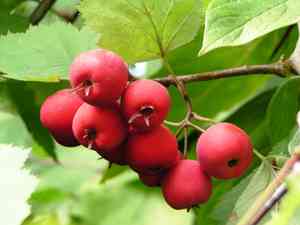
Frosted hawthorn (Crataegus pruinosa)
Also known as: Hawthorn, Waxyfruit hawthorn
Frosted hawthorn (Crataegus pruinosa) is indigenous to many parts of North America, with the exception of Mexico. This plant is commonly referred to as "frosted hawthorn" and thrives in a range of sunlight from full to partial. It prefers environments that are moderately moist to somewhat dry.
In This Article
Attributes of Frosted hawthorn
Lifespan
Perennial
Plant Type
Tree, Shrub
Plant Height
2 m to 7 m
Spread
4.5 m to 6 m
Leaf Color
Green Blue
Flower Size
1.5 cm to 2.5 cm
Flower Color
White
Images of Frosted hawthorn
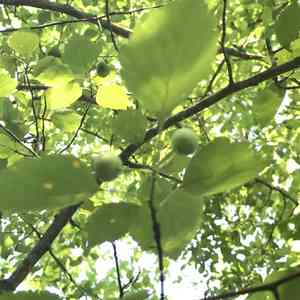
Quickly Identify Frosted hawthorn
1
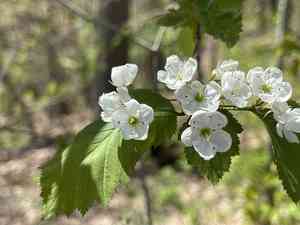
White corymb flowers with pink anthers in spring.
2
Small pome fruits with bluish waxy coating.
3
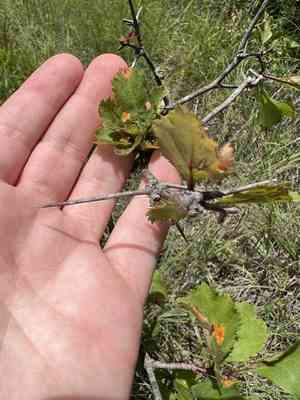
Red-brown zig-zag twigs on slender stem.
4
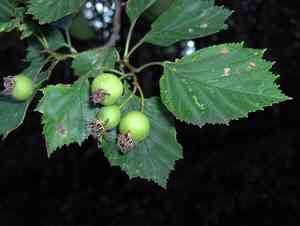
Deciduous leaves with lobed, toothed edges.
5
Rough, scaly grey trunk with fissured scales.
Scientific Classification of Frosted hawthorn
Phylum
Vascular plants
Class
Dicotyledons
Order
Rosales
Family
Rose
Genus
Hawthorns
Species
Frosted hawthorn
Planting and Growing of Frosted hawthorn
Care Difficulty
Easy
Watering Schedule
Every 2 days
Sunlight Requirements
Full sun
Sunshine Duration
4-8 hours
Ideal Temperature
50-70℉
Soil Type
Potting Mix, Peat Mix
Soil pH
6.5-7.5
Fertilizer Type
Balanced
Pruning Season
Spring, Summer
Pruning Area
Branches, Leaves
Pruning Frequency
2 times a year
Repotting Season
Spring
Pot Type
Plastic, Ceramic
 How to Water Frosted hawthorn?
Crataegus pruinosa, commonly known as the frosted hawthorn, requires a balanced watering approach. Provide approximately 500 ml of water per application, ensuring the soil is moist but not waterlogged. The key is to mimic the plant's natural habitat, avoiding both drought stress and excessive moisture.
What are the symptoms of an underwatered Frosted hawthorn?
›
What should I do if my Frosted hawthorn is not getting enough water?
›
What are the symptoms of an overwatered Frosted hawthorn?
›
How to save an overwatered Frosted hawthorn?
›
 What Are the Sunlight Requirements for Frosted hawthorn?
Ideal light for Crataegus pruinosa includes 6 to 8 hours of direct sunlight daily. This range not only supports its natural blooming cycle but also enhances photosynthetic activity, ensuring vigorous health and robust growth.
More About Sunlight Requirements Techniques→
Understanding Ideal Light Settings
›
Solutions for Achieving Ideal Lighting
›
Effects of Ideal Light Conditions
›
 What Is the Ideal Temperature Range for Frosted hawthorn?
Crataegus pruinosa thrives in moderate climates where temperatures range from 50°F to 70°F. This range provides optimal conditions for growth and reproduction, ensuring the plant's metabolic and physiological processes operate efficiently. Outside this range, the plant may experience stress or reduced growth, hence maintaining this temperature range is crucial for robust plant health.
 What Soil is Best for Frosted hawthorn?
Crataegus pruinosa thrives in well-drained soil, which is crucial to prevent root rot and provide a steady flow of oxygen. This type of soil ensures that the tree's roots can access moisture without being submerged in water, promoting healthy growth and stability. Moderate fertility is ideal for Crataegus pruinosa, as overly nutrient-rich soil can lead to rapid, weak growth. A balanced nutrient profile supports strong, resilient branches and a rich display of flowers and fruits. Soil that promotes aeration is important for this species. It ensures that the roots have access to enough air, preventing compaction and encouraging a robust root system that can support the tree through environmental stressors.
 How to Fertilize Frosted hawthorn?
For Crataegus pruinosa, use a balanced fertilizer such as a 10-10-10 or 14-14-14 NPK formula. Apply approximately 1 pound of fertilizer per 100 square feet. This ensures the plant receives adequate nutrients without overloading it. Adjust the amount based on soil fertility and plant size; smaller plants or younger ones may require less.
 How to Prune Frosted hawthorn?
Begin by removing any dead or damaged branches using a clean pair of pruning shears. Cut back to healthy tissue to ensure the plant can heal properly. Focus on maintaining an open structure to allow sunlight and air to penetrate the canopy, which is beneficial for disease prevention. Select and remove up to one-third of the oldest stems at ground level. This process, known as thinning out, encourages the growth of strong, new shoots. It also prevents the plant from becoming overcrowded, thus ensuring each branch receives adequate light and nutrients. If the hawthorn is growing too large for its space, you can trim it back more aggressively. Focus on reducing the height by cutting back the tallest stems to a strong lateral branch. Always strive to maintain the plant's natural form, avoiding flattening or topping the plant.
More About Pruning Techniques→
 How to Propagate Frosted hawthorn plant?
1
To propagate Crataegus pruinosa from seeds, a cold stratification period is necessary. This can be achieved by placing seeds in a moist medium, like sand or vermiculite, and storing them in a refrigerator for 60-90 days to mimic winter conditions.
2
Take semi-hardwood cuttings during the growing season. Each cutting should be about 5-6 inches long with at least two nodes. Remove the leaves from the lower half and dip the cut end in a rooting hormone before planting.
3
Grafting is typically done in spring. Choose compatible rootstock and scion, making angled cuts on both, and fit them together tightly. Secure the graft with grafting tape, ensuring no air pockets that could dry out the tissue.
 How to Repot Frosted hawthorn plant?
1
Crataegus pruinosa should be repotted when you notice roots growing out of the drainage holes or if the soil dries out too quickly. Spring and autumn are ideal for this task when the weather is mild. Look for signs such as stunted growth or when the plant appears top-heavy.
2
Select a pot that's 2-4 inches larger in diameter than the current one, with adequate drainage holes. Using a pot that allows room to grow ensures the roots have the space they need while preventing waterlogging with effective drainage, supporting healthy growth.
3
A well-draining loamy mix is perfect for Crataegus pruinosa, as it retains essential nutrients while allowing excess moisture to escape. Look for a soil rich in organic matter that can support the plant’s needs, ensuring aeration and preventing root rot.



