
Common hawthorn (Crataegus monogyna)
Also known as: Maythorn, Whitethorn, Oneseed hawthorn, Quickthorn, Motherdie
The common hawthorn (Crataegus monogyna) is a flowering tree that falls under the Rosaceae family. Often found in garden landscapes and used as hedges, this tree has notable examples, such as the legendary oldest tree in France and a renowned hawthorn in England known for blooming three times annually.
In This Article
Attributes of Common hawthorn
Lifespan
Perennial
Plant Type
Tree
Plant Height
5 m to 14 m
Spread
6 m
Leaf Color
Green Yellow
Flower Size
1 cm
Flower Color
White Cream
Images of Common hawthorn
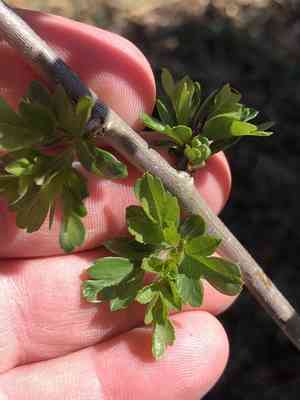
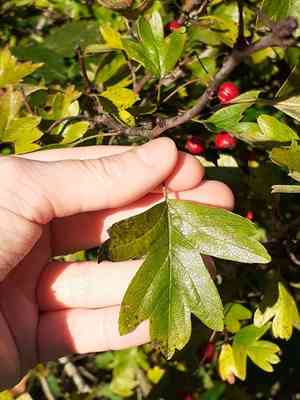
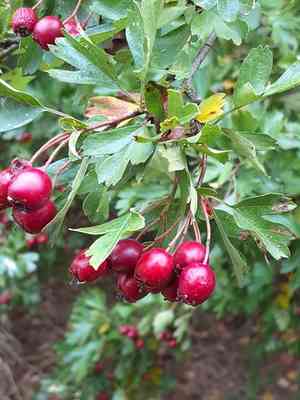
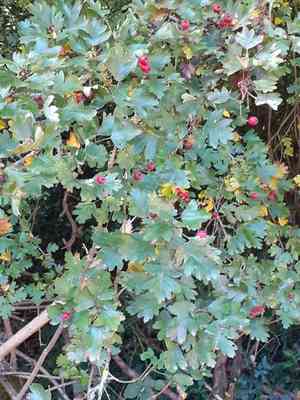
Quickly Identify Common hawthorn
1
Look for a small tree or shrub with deeply lobed leaves, white flowers in clusters, and red, berry-like fruits. The branches are typically thorny.
Scientific Classification of Common hawthorn
Phylum
Vascular plants
Class
Dicotyledons
Order
Rosales
Family
Rose
Genus
Hawthorns
Species
Common hawthorn
Planting and Growing of Common hawthorn
Care Difficulty
Easy
Watering Schedule
Every 2 days
Sunlight Requirements
Full sun
Sunshine Duration
6-10 hours
Ideal Temperature
60-75℉
Soil Type
Potting Mix, Peat Mix
Soil pH
6.5-7.5
Fertilizer Type
Balanced
Pruning Season
Spring, Summer
Pruning Area
Branches, Leaves
Pruning Frequency
2 times a year
Repotting Season
Spring
Pot Type
Plastic, Terracotta
 How to Water Common hawthorn?
For Crataegus monogyna, water with about 200 milliliters till the surrounding soil is damp but not soggy. Adhering to this ensures the roots have access to sufficient moisture without being waterlogged, preventing root rot and promoting healthy growth.
More About Watering Techniques→
What are the symptoms of an underwatered Common hawthorn?
›
What should I do if my Common hawthorn is not getting enough water?
›
What are the symptoms of an overwatered Common hawthorn?
›
How to save an overwatered Common hawthorn?
›
 What Are the Sunlight Requirements for Common hawthorn?
Crataegus monogyna thrives with full sun to partial sunlight. Ideal lighting ensures robust health, vigorous growth, and abundant flowering, crucial for decorative appeal and ecological benefits such as pollinator attraction.
More About Sunlight Requirements Techniques→
What is the best sunlight for Crataegus monogyna?
›
How to ensure Crataegus monogyna gets the right sunlight?
›
Why is optimal sunlight crucial for Crataegus monogyna?
›
 What Is the Ideal Temperature Range for Common hawthorn?
The ideal temperature range for Crataegus monogyna, commonly known as Hawthorn, is between 60°F and 75°F. This range allows the plants to photosynthesize efficiently and promotes optimal growth rates. The plant requires moderate temperatures to balance moisture retention and nutrient uptake, ensuring that it thrives without the risk of heat stress or chilling damage.
 What Soil is Best for Common hawthorn?
Crataegus monogyna thrives in soils that are rich in organic matter, which provide essential nutrients for growth and flowering. The addition of compost or well-rotted manure can help improve soil fertility and structure, promoting healthy root development and more vibrant blooms. This plant prefers well-drained soils to prevent root rot, which can be caused by waterlogged conditions. Ensuring good drainage allows roots to access necessary oxygen and prevents stress from excessive moisture, leading to stronger growth. While Crataegus monogyna can tolerate occasional dryness, it's important that the soil retains some moisture. Regular watering during dry spells will keep the plant healthy, supporting lush foliage and abundant flowering.
More About Soil→
 How to Fertilize Common hawthorn?
For Crataegus monogyna, when applying liquid fertilizer, use a nutrient-rich solution but dilute it to half the recommended strength to prevent root burn. For slow-release fertilizers, apply sparingly, using about 30-50 grams per plant depending on size.
More About Fertilizing Techniques→
 How to Prune Common hawthorn?
Begin by removing any dead, damaged, or diseased branches. This helps prevent the spread of diseases and allows the plant to direct energy toward healthy growth. Make sure to cut back to healthy wood or at a bud or branch junction. Thinning involves removing some branches to improve air circulation and sunlight penetration. This reduces the risk of fungal infections and helps the plant's overall health. Focus on crossing branches or those that grow toward the center of the tree. When shaping, trim to enhance its natural form. Typically, hawthorns should have a rounded crown. Avoid drastic changes in shape; rather, aim for subtle corrections every year.
More About Pruning Techniques→
 How to Propagate Common hawthorn plant?
1
Collect seeds from ripe hawthorn berries. Clean the seeds by removing the fleshy part of the fruit, and let them dry. Stratify the seeds by storing them in a moist medium for several weeks to mimic natural winter conditions.
2
Selecting semi-hardwood cuttings is crucial. Use pruning shears to cut sections just below a node. These cuttings should be approximately 15 centimeters long and ideally taken in late summer. Remove the leaves from the lower half.
3
Perform grafting in early spring when the stock and scion are most compatible. Choose a compatible rootstock and a healthy scion. Make precise cuts to form a snug union, and secure the graft with grafting tape.
 How to Repot Common hawthorn plant?
1
You'll know it's time to repot Crataegus monogyna when the roots begin to outgrow the current pot, peeking out through the drainage holes. Additionally, if water tends to sit on the soil surface without soaking in, the soil structure may be compromised, signaling that it's time for a change.
2
Select a pot that is one size larger than the current one. Ensure it has sufficient drainage holes to prevent waterlogging, which can lead to root rot. A slightly larger pot encourages healthy growth as it provides ample space for root expansion while avoiding excessive wetness.
3
Opt for a well-draining potting mix that mimics the plant's natural habitat. A mixture containing sand, peat, and loam is ideal, as it allows for sufficient aeration and prevents water stagnation, thereby promoting healthy root development and vigorous growth.



