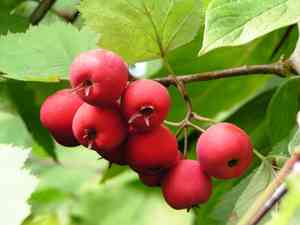
Crataegus maximowiczii (Crataegus maximowiczii)
Also known as: Chinese Hawthorn, Maximowicz's hawthorn
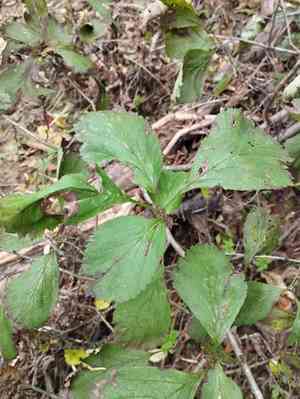
Crataegus maximowiczii, a deciduous shrub often seen in wooded regions, flourishes in well-drained soil. In late spring, it is distinguished by its striking clusters of white blossoms, which contrast with its deeply lobed, toothed leaves. As autumn arrives, the foliage transforms into brilliant hues of red and purple, while the shrub produces dark red berries that attract and nourish wildlife.
In This Article
Attributes of Crataegus maximowiczii
Lifespan
Perennial
Plant Type
Tree
Plant Height
2-5 meters
Spread
1-3 meters
Leaf Color
Green in summer, turning to red or golden in autumn
Flower Size
1-2 cm
Flower Color
White
Images of Crataegus maximowiczii
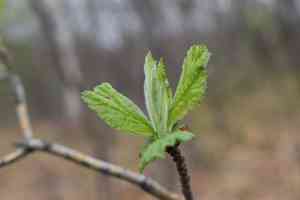
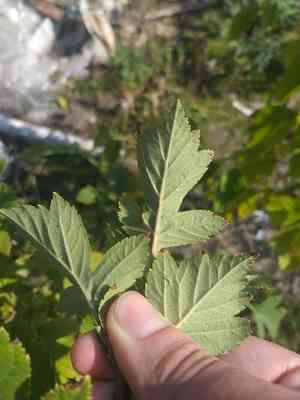
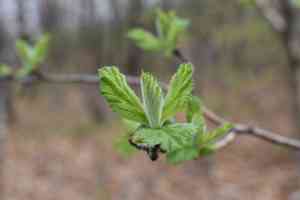
Quickly Identify Crataegus maximowiczii
1
This plant can be identified by its lobed leaves, small white flowers in clusters, and bright red berries. The leaves are typically serrated and the plant has thorny branches.
Scientific Classification of Crataegus maximowiczii
Phylum
Vascular plants
Class
Dicotyledons
Order
Rosales
Family
Rose
Genus
Hawthorns
Species
Crataegus maximowiczii
Planting and Growing of Crataegus maximowiczii
Care Difficulty
Moderate
Watering Schedule
Every 3 days
Sunlight Requirements
Full sun
Sunshine Duration
4-8 hours
Ideal Temperature
60-75℉
Soil Type
Potting Mix, Peat Mix
Soil pH
6.5-7.5
Fertilizer Type
Balanced
Pruning Season
Spring, Summer
Pruning Area
Branches, Leaves
Pruning Frequency
2 times a year
Repotting Season
Spring
Pot Type
Plastic, Terracotta
 How to Water Crataegus maximowiczii?
The ideal watering amount for Crataegus maximowiczii is about 500 milliliters per session. The soil should be soaked until water starts to drain from the pot's bottom, ensuring the roots receive adequate moisture but aren't sitting in water as this can lead to root rot.
What are the symptoms of an underwatered Crataegus maximowiczii?
›
What should I do if my Crataegus maximowiczii is not getting enough water?
›
What are the symptoms of an overwatered Crataegus maximowiczii?
›
How to save an overwatered Crataegus maximowiczii?
›
 What Are the Sunlight Requirements for Crataegus maximowiczii?
Crataegus maximowiczii ideally requires full sun to partial sun. Adequate light fosters robust photosynthesis, improving growth rates, enhancing foliage colors, and increasing fruit set.
Optimal Sunlight Intensity
›
Adaptation to Partial Sun
›
Common Misplacement Concerns
›
 What Is the Ideal Temperature Range for Crataegus maximowiczii?
The ideal temperature range for Crataegus maximowiczii is between 60°F and 75°F. This range is optimal for growth and maintenance, ensuring that the plant can perform photosynthesis effectively while maintaining its natural metabolic processes. Providing a temperature within this range supports healthy leaf development and flowering, maximizing the plant's potential for growth.
 What Soil is Best for Crataegus maximowiczii?
Crataegus maximowiczii thrives in well-drained soil, which prevents waterlogging and root rot. Well-draining soils ensure that the plant gets sufficient moisture without drowning the roots in excess water, promoting healthy growth. Although it prefers well-draining soil, moderate moisture retention is crucial to prevent the plant from drying out. This balance keeps the plant hydrated and supports its nutrient uptake, leading to lush foliage and vibrant blossoms. The presence of essential nutrients in the soil, such as nitrogen, phosphorus, and potassium, is vital for the optimal growth of Crataegus maximowiczii. A nutrient-rich soil supports strong root development and robust flowering, enhancing the plant's overall vitality.
 How to Fertilize Crataegus maximowiczii?
For Crataegus maximowiczii, use a balanced fertilizer (NPK 10-10-10) and apply at a rate of 1 tablespoon per gallon of water for liquid fertilizer, or 1 cup of granular fertilizer per square yard for solid fertilizer. The amount ensures consistent growth without overwhelming the plant with nutrients.
 How to Prune Crataegus maximowiczii?
Before you start, inspect the entire plant for damaged, diseased, or dead branches. Identifying these problem areas early can make the pruning process more strategic, concentrating your efforts effectively without unintentional harm. Start by removing any dead or diseased wood. Then, thin out crowded areas by cutting weaker branches back to their base to improve air circulation. Finally, shape the plant by clipping wayward branches to maintain a balanced and aesthetically pleasing appearance.
More About Pruning Techniques→
 How to Propagate Crataegus maximowiczii plant?
1
Choose healthy, disease-free parent plants for cuttings. This will ensure that the cuttings have the best possible chance to grow into strong, vibrant plants.
2
Cut 4 to 6-inch segments from the parent plant’s new growth. Remove any leaves from the lower half and dip the cut end in rooting hormone.
3
Place the cuttings in a well-draining potting mix, ensuring the soil remains moist but not waterlogged. Position them in a warm, bright spot out of direct sunlight.
 How to Repot Crataegus maximowiczii plant?
1
Crataegus maximowiczii should be repotted when you notice roots emerging from the drainage holes or the soil drying out more rapidly than usual. This indicates the plant has outgrown its current pot. It's typically best to repot during the growing seasons of spring or autumn, avoiding the heat stress of summer and the dormancy of winter for optimal recovery.
2
Select a pot that is just one size larger than the current one. A pot too large can cause water retention issues, leading to root rot. A ceramic or terracotta pot aids in aeration due to its porous nature, which is beneficial for healthy root development in Crataegus maximowiczii.
3
Opt for a well-draining loamy soil enriched with organic matter to provide essential nutrients while ensuring adequate drainage. The texture of loamy soil allows for sufficient airflow, water retention, and nutrient availability, promoting healthy growth and root expansion.



