Parsley Hawthorn (Crataegus marshallii)
Also known as: Hawthorn
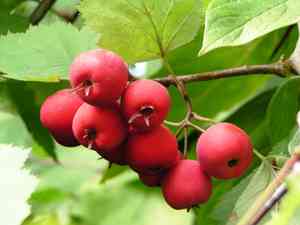
The Parsley Hawthorn (Crataegus marshallii) is a small deciduous tree recognized by its unique, finely divided leaves resembling parsley. In spring, it displays attractive white blossoms, which draw in pollinators like bees and butterflies. By autumn, it bears small, bright red berries that serve as a food source for birds and small mammals. Additionally, its thorns provide safe nesting spots for birds, and the tree's foliage offers excellent shelter and habitat. Native to moist, low-lying areas, the Parsley Hawthorn can also withstand occasional flooding, making it a resilient addition to wildlife-friendly landscapes.
In This Article
Attributes of Parsley Hawthorn
Lifespan
Perennial
Plant Type
Tree
Plant Height
8 m
Spread
4.5 m
Leaf Color
Green White
Flower Size
2.5 cm
Flower Color
White Red
Images of Parsley Hawthorn
Quickly Identify Parsley Hawthorn
1
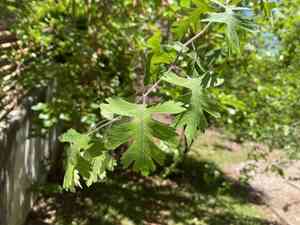
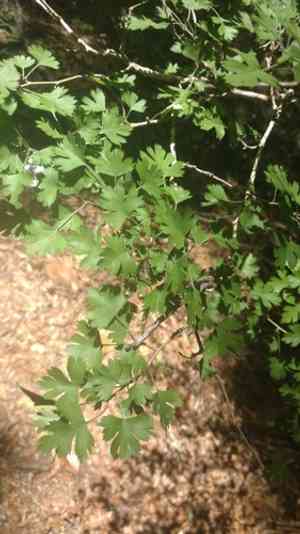
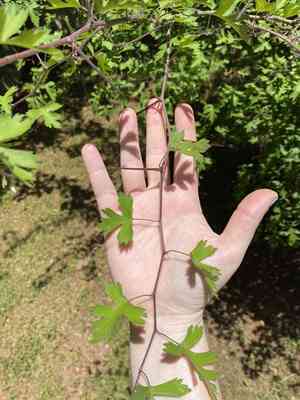
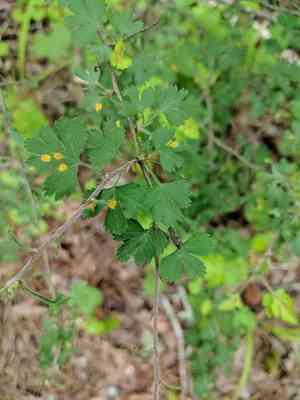
Slender thorny branches with bright green parsley-like leaves.
2
Clustered white flowers with vivid red anthers, blooming in April-May.
3
Bright red 1/3 inch (0.85 cm) pome fruits resembling miniature apples.
4
1-inch (2.5 cm) ovate leaves with 5-7 serrated lobes, shiny green above.
5
Smooth gray stems with brown mottles, adorned with sharp thorns.
Scientific Classification of Parsley Hawthorn
Phylum
Vascular plants
Class
Dicotyledons
Order
Rosales
Family
Rose
Genus
Hawthorns
Species
Parsley Hawthorn
Planting and Growing of Parsley Hawthorn
Care Difficulty
Easy
Watering Schedule
Every 4 days
Sunlight Requirements
Partial sun
Sunshine Duration
6-10 hours
Ideal Temperature
60-75℉
Soil Type
Potting Mix, Peat Mix
Soil pH
6.5-7.5
Fertilizer Type
Balanced
Pruning Season
Spring, Summer
Pruning Area
Branches, Leaves
Pruning Frequency
Once a year
Repotting Season
Spring
Pot Type
Plastic, Ceramic
 How to Water Parsley Hawthorn?
Crataegus marshallii requires a moderate watering amount, around 500 milliliters per session. Ensure that the soil is moist but not waterlogged. It's important to allow the upper layer of the soil to dry out slightly between watering sessions to prevent root rot.
What are the symptoms of an underwatered Parsley Hawthorn?
›
What should I do if my Parsley Hawthorn is not getting enough water?
›
What are the symptoms of an overwatered Parsley Hawthorn?
›
How to save an overwatered Parsley Hawthorn?
›
 What Are the Sunlight Requirements for Parsley Hawthorn?
Partial sun is ideal, with 4-6 hours of light daily. This promotes healthy growth and flowering without compromising the plant's tolerance to temperature fluctuations.
More About Sunlight Requirements Techniques→
What is the best type of light for Crataegus marshallii?
›
How can I ensure my Crataegus marshallii receives ideal lighting?
›
What are the benefits of Crataegus marshallii receiving ideal light?
›
 What Is the Ideal Temperature Range for Parsley Hawthorn?
Crataegus marshallii thrives in temperatures between 60°F and 75°F. This range supports optimal growth and ensures vibrant foliage and healthy blooms. Maintaining this range minimizes stress and ensures the plant’s metabolic functions operate efficiently.
 What Soil is Best for Parsley Hawthorn?
This plant thrives in well-draining soils. Efficient drainage prevents waterlogging, which can cause root rot and other diseases. Ensuring good drainage helps maintain healthy roots and supports robust growth. Crataegus marshallii requires nutrient-rich soil. A fertile environment supports its lush foliage and vibrant blooms. Enriching the soil with organic matter or slow-releasing fertilizers can provide the necessary nutrients for optimal development. While the plant enjoys well-draining soil, moderate moisture retention is beneficial. A balance between drainage and moisture helps keep the roots hydrated without drowning them, promoting consistent growth throughout the seasons.
 How to Fertilize Parsley Hawthorn?
Crataegus marshallii does not require excessive fertilization. Apply a balanced liquid fertilizer with an N-P-K ratio of 10-10-10 at a concentration of half a teaspoon per gallon of water. This will suffice for its nutrient needs without causing harm.
 How to Prune Parsley Hawthorn?
Begin your pruning in early spring before new growth starts. Identify and remove any dead, damaged, or diseased wood first. Make cuts close to the parent branch, ensuring you don't leave stubs. This initial pruning will set the framework for your tree's shape. During summer, focus on maintaining the shape achieved in spring. Lightly trim new growth that may disrupt the tree's overall aesthetic. This can be done monthly but in moderation to avoid stressing the plant. In autumn, check for and remove any branches that have shown signs of disease throughout the growing season. It's also the time to tidy up any stragglers that escaped summer's attention, maintaining the tree's neat appearance. In winter, when the tree is dormant, perform any last structural adjustments. Remove branches that are crossing or rubbing, which can lead to damage and disease. This pruning season prepares the tree for vigorous spring growth.
More About Pruning Techniques→
 How to Propagate Parsley Hawthorn plant?
1
Collect seeds from healthy Crataegus marshallii plants and clean them thoroughly to remove any pulp before sowing them in trays filled with quality seed starting mix.
2
Select a healthy branch from the parent plant, and using sterilized, sharp pruners, take a cutting about 6 inches long for propagation.
3
In the late spring, bend a low-growing branch to the ground and cover part of it with soil, ensuring that the tip is exposed to promote root growth.
 How to Repot Parsley Hawthorn plant?
1
Crataegus marshallii typically requires repotting in spring or autumn, when the plant shows signs of crowded roots or lower growth vigor. Look for roots poking out of drainage holes as a primary signal.
2
Opt for a pot slightly larger than the current one, with adequate drainage holes. A well-sized pot allows for healthy root expansion without water retention, reducing root rot risks and enhancing plant stability.
3
Select a well-draining soil rich in organic matter. This type of soil ensures moisture is retained adequately, preventing waterlogging while providing essential nutrients for healthy growth and increased flowering.



