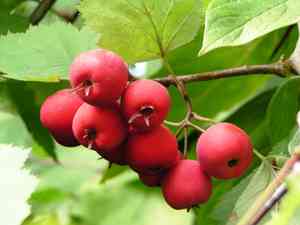
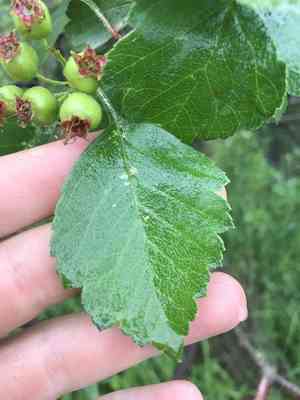
Black hawthorn (Crataegus douglasii)
Also known as: Douglas' hawthorn
Certainly! Here's a revised answer:
Black hawthorn (Crataegus douglasii) is a versatile shrub with several key applications in agriculture and wildlife management:
**Agriculture:**
1. **Soil Stabilization:** Its robust root system effectively prevents soil erosion.
2. **Natural Barriers:** Frequently used in hedgerows and windbreaks to shield crops from wind, while providing habitat for beneficial insects.
3. **Pollination:** The flowers attract bees and other pollinators, enhancing the productivity of nearby crops.
**Wildlife Management:**
1. **Nutritional Source:** The berries serve as a nutritious food source for a variety of bird species and small mammals.
2. **Shelter:** Dense growth forms provide excellent cover and nesting sites for wildlife.
3. **Ecological Support:** Supports a diverse range of insects and birds, contributing to ecosystem health.
These functions make black hawthorn valuable for both agricultural and ecological purposes.
Attributes of Black hawthorn
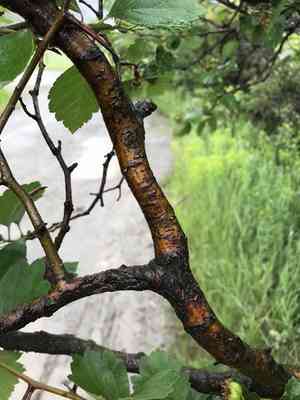
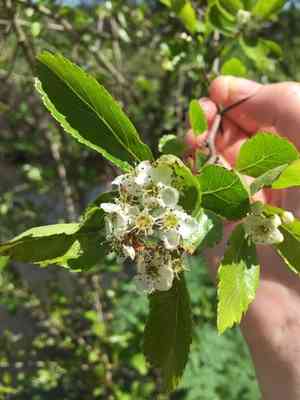
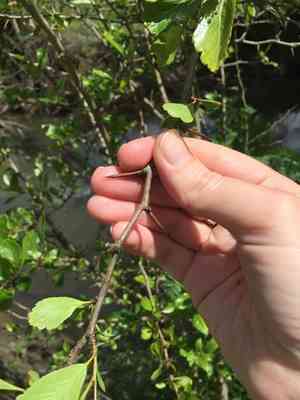
Images of Black hawthorn
 How to Water Black hawthorn?
  What Are the Sunlight Requirements for Black hawthorn?
  What Is the Ideal Temperature Range for Black hawthorn?
  What Soil is Best for Black hawthorn?
  How to Fertilize Black hawthorn?
  How to Prune Black hawthorn?
  How to Propagate Black hawthorn plant?
 How to Repot Black hawthorn plant?



