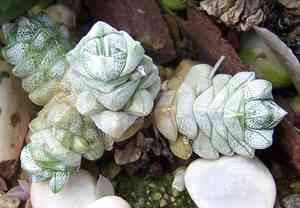
Crassula (Crassula) (Crassula)
Also known as: Jade Plant, Money Plant, Friendship Tree
Crassula, known for their succulent nature, are favored as houseplants due to their ease of care and striking foliage. While some species are aquatic and can be invasive, the terrestrial varieties thrive in containers and require minimal maintenance. Their unique forms and adaptability to indoor conditions make them excellent choices for home decor, though it's worth noting that many may perish after flowering.
In This Article
Attributes of Crassula (Crassula)
Lifespan
Perennial
Plant Height
60 cm
Spread
60 cm
Leaf Color
Green with possible red or yellow edges
Flower Size
Small, typically less than 1 centimeter (0.4 inches)
Flower Color
White to pink
Images of Crassula (Crassula)
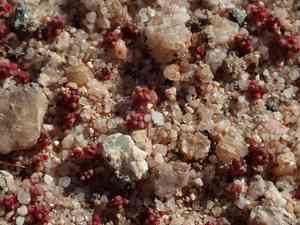
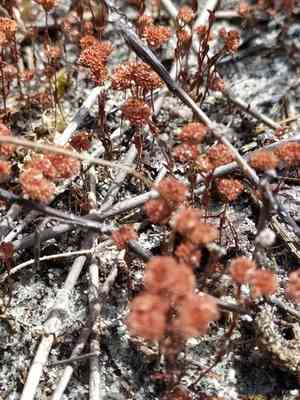
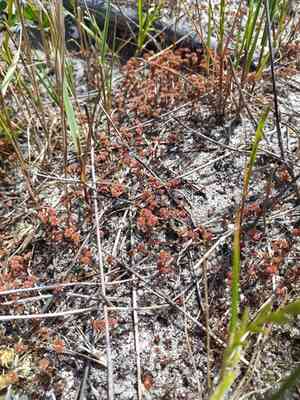
Quickly Identify Crassula (Crassula)
1
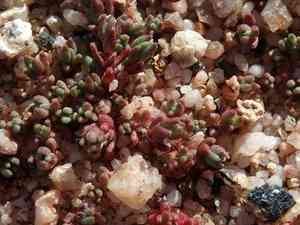
Crassulas can be identified by their thick, fleshy leaves that often have a glossy finish. They typically grow in a bushy, tree-like form with stout branches. The leaves are generally green but can have red or yellow edges depending on the species and growing conditions.
Scientific Classification of Crassula (Crassula)
Phylum
Magnoliophyta
Class
Magnoliopsida
Order
Saxifragales
Family
Crassulaceae
Genus
Crassula
Planting and Growing of Crassula (Crassula)
Care Difficulty
Easy
Watering Schedule
Every 2 days
Sunlight Requirements
Full sun
Sunshine Duration
6-10 hours
Ideal Temperature
65-75℉
Soil Type
Potting Mix, Peat Mix
Soil pH
6-7.5
Fertilizer Type
Balanced
Pruning Season
Spring, Summer
Pruning Area
Branches, Leaves
Pruning Frequency
2 times a year
Repotting Season
Spring
Pot Type
Plastic, Ceramic
 How to Water Crassula (Crassula)?
For Crassula, it is crucial to mimic its natural habitat when it comes to watering. This succulent thrives on minimal water, soaking up moisture efficiently. It's important to water the soil instead of the plant itself, ensuring it is drenched thoroughly but not waterlogged. Drainage is critical; let the soil fully absorb about 50 ml before stopping, avoiding excess runoff from the pot.
What are the symptoms of an underwatered Crassula (Crassula)?
›
What should I do if my Crassula (Crassula) is not getting enough water?
›
What are the symptoms of an overwatered Crassula (Crassula)?
›
How to save an overwatered Crassula (Crassula)?
›
 What Are the Sunlight Requirements for Crassula (Crassula)?
Crassula benefits from partial to full sunlight, thriving in four to six hours of light daily. Ideal light promotes robust growth, compactness, and prevents etiolation, enhancing the plant's appeal.
How much light does Crassula need?
›
What can you do to ensure proper lighting?
›
What are the benefits of ideal lighting?
›
 What Is the Ideal Temperature Range for Crassula (Crassula)?
The Crassula plant thrives in environments where temperatures are moderately warm. Ideally, temperatures should remain between 65°F to 75°F. This range supports optimal growth and aids in maintaining the plant's vibrant foliage. These conditions mimic the Crassula's native habitats, enabling it to flourish without undue stress.
 What Soil is Best for Crassula (Crassula)?
Crassula plants require soil that drains water well to prevent root rot. Using sandy soil ensures excess water doesn't stagnate, thereby protecting the plant's roots. This type of soil allows for efficient water movement and air circulation, which are essential for the plant's health. Though Crassula can survive in less-than-ideal conditions, they thrive in nutrient-rich sandy loam. Enriched soil provides the essential nutrients such as nitrogen, phosphorus, and potassium, promoting healthy growth and vibrant foliage. A slightly acidic to neutral pH range of 6.0 to 7.5 is ideal for Crassula. This pH range optimizes nutrient uptake, especially micronutrients, enhancing plant vigor and resilience against diseases.
 How to Fertilize Crassula (Crassula)?
When fertilizing Crassula plants, use a balanced, water-soluble fertilizer diluted to half strength. This means mixing the fertilizer at a ratio of 1:2 with water. Avoid over-fertilizing, as this can lead to root burn. Use approximately 1 tablespoon of diluted fertilizer per gallon of water.
 How to Prune Crassula (Crassula)?
Start by identifying the areas where new leaves and stems are growing. These are your key targets for pruning to control the shape and growth of the plant. Always prune just above a leaf node, where the leaves meet the stem. This encourages branching and results in a fuller plant. New growth will emerge from the nodes. Cut away any dead or diseased leaves and stems. This not only improves the appearance of the plant but also prevents the spread of diseases and pests. Tailor the shape of your Crassula by making strategic cuts. Consider the overall aesthetic you desire, whether it's a bushy, compact form or a more open, airy look.
 How to Propagate Crassula (Crassula) plant?
1
Choose a healthy stem that is slightly woody and free of disease. A stem of about 3-4 inches in length with a few leaves is ideal for effective propagation.
2
After cutting, allow the stem to dry for a few days in a warm, dry place. This process helps to heal the cutting edge and prevent rot and infection.
3
Insert the dried cutting into well-draining soil. Ensure that the cutting is stable and the base is covered adequately to allow optimal water and nutrient absorption.
 How to Repot Crassula (Crassula) plant?
1
Crassula plants should be repotted when their roots are emerging from the drainage holes, or when the plant appears top-heavy and unbalanced. Spring is ideal for repotting, as the plant is entering its active growth period, allowing it to recover more quickly.
2
Opt for a pot that is slightly larger than the current one, with good drainage holes. Terracotta pots are excellent for promoting air circulation and preventing root rot due to their porous nature. This ensures your Crassula gets an optimal balance of moisture and aeration.
3
Choose a well-draining soil mix, such as a cactus potting mix, which is ideal for succulents like Crassula. This type of soil prevents excessive moisture retention, reducing the risk of root rot and promoting healthier root development.
Toxicity
Ingestion
WARNING
The judgment on toxicity and danger is for reference only. We DO NOT GUARANTEE any accuracy of such judgment. Therefore, you SHALL NOT rely on such judgment. It is IMPORTANT TO SEEK PROFESSIONAL ADVICE in advance when necessary.

