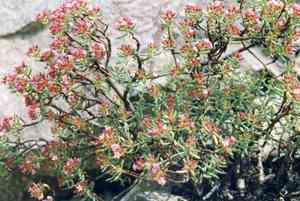
Bonsai Stonecrop (Crassula sarcocaulis)
Also known as: Bonsai Crassula, Miniature Crassula
Bonsai Stonecrop captivates both bonsai enthusiasts and rock garden aficionados with its hardy nature and visually striking appearance. Characterized by its dense, succulent foliage and a spectrum of hues from green to red, it offers a unique aesthetic that changes with the seasons. During summer, it blooms with clusters of pink or white star-shaped flowers, adding a splash of color. Its exceptional drought resistance makes it a low-maintenance choice, ideal for those seeking a resilient yet beautiful plant. Often seen as a 'natural bonsai', it effortlessly mimics the look of miniature trees, making it a standout addition to any collection.
In This Article
Attributes of Bonsai Stonecrop
Lifespan
Perennial
Plant Type
Succulent, Shrub
Plant Height
25 cm
Spread
30 cm
Leaf Color
Red Green
Flower Size
0.5-1 cm
Flower Color
White Pink
Images of Bonsai Stonecrop
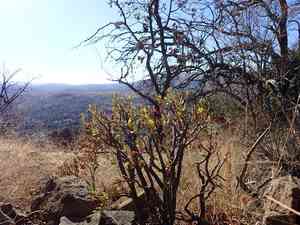
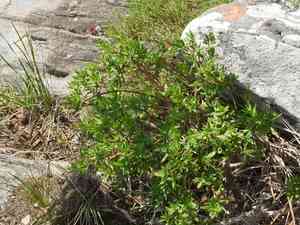
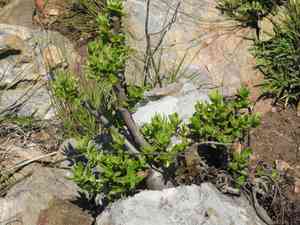
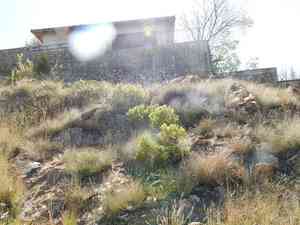
Quickly Identify Bonsai Stonecrop
1
Low-growing shrub, 1-2 feet (30-60 cm) tall with fat, gnarled trunk.
2
Stems have peeling bark, narrow green succulent leaves.
3
Summer blooms with bell-shaped pale-pink flowers from small pink buds.
4
Unique fragrance of blooms, varying in perception.
5
Hardy, withstands temperatures as low as 10°F (-12°C).
Scientific Classification of Bonsai Stonecrop
Phylum
Vascular plants
Class
Dicotyledons
Order
Saxifragales
Family
Stonecrop
Genus
Crassula
Species
Bonsai Stonecrop
Planting and Growing of Bonsai Stonecrop
Care Difficulty
Easy
Watering Schedule
Every 2 days
Sunlight Requirements
Full sun
Sunshine Duration
4-6 hours
Ideal Temperature
65-75℉
Soil Type
Potting Mix, Peat Mix
Soil pH
6.5-7.5
Fertilizer Type
Balanced
Pruning Season
Spring, Summer
Pruning Area
Branches, Leaves
Pruning Frequency
2 times a year
Repotting Season
Spring
Pot Type
Plastic, Terracotta
 How to Water Bonsai Stonecrop?
For the Crassula sarcocaulis, an ideal watering session should involve thoroughly moistening the soil until water starts to drain from the bottom. This ensures the roots are properly hydrated, avoiding waterlogging while ensuring they reach essential moisture.
What are the symptoms of an underwatered Bonsai Stonecrop?
›
What should I do if my Bonsai Stonecrop is not getting enough water?
›
What are the symptoms of an overwatered Bonsai Stonecrop?
›
How to save an overwatered Bonsai Stonecrop?
›
 What Are the Sunlight Requirements for Bonsai Stonecrop?
Crassula sarcocaulis prefers a mix of full sun and partial sun, ideally for 6-8 hours a day. This promotes vibrant growth, strong structural development, and resistance to environmental stress, ensuring a healthy and thriving plant.
What is the best lighting setting for Crassula sarcocaulis?
›
How to ensure Crassula sarcocaulis gets ideal lighting?
›
What are the benefits of ideal lighting for Crassula sarcocaulis?
›
 What Is the Ideal Temperature Range for Bonsai Stonecrop?
The ideal temperature range for growing Crassula sarcocaulis is between 65°F and 75°F. At this range, the plant thrives due to optimal metabolic activity and growth rate, ensuring vibrant foliage and sustained health. Deploying this temperature range mimics the plant's native environment, reducing stress and promoting robustness.
 What Soil is Best for Bonsai Stonecrop?
Crassula sarcocaulis thrives in well-draining soil, crucial to prevent root rot in succulents. This characteristic helps maintain the balance of moisture around the roots, providing just enough hydration without overwhelming the delicate balance required for healthy growth. While Crassula sarcocaulis isn't particularly demanding, a nutrient-rich soil can support robust growth. Even modest additions of organic matter, like compost, can significantly enhance its growth potential, aiding in lush, verdant foliage. Aeration is key for healthy root development. Soil that allows air to circulate freely ensures the roots have access to the oxygen they need, promoting vigorous growth and helping to safeguard against compaction, which could stifle plant health.
 How to Fertilize Bonsai Stonecrop?
Crassula sarcocaulis, being a succulent, requires minimal fertilization. Apply a diluted-balanced liquid fertilizer at half strength. For granular fertilizers, a slight sprinkle over the soil surface is sufficient for slow nutrient release.
 How to Prune Bonsai Stonecrop?
To prune Crassula sarcocaulis, begin by sterilizing your pruning shears to prevent the spread of disease. Focus on cutting back leggy or overgrown stems to maintain a compact and well-shaped appearance. Trim just above a pair of leaves or nodes to encourage new growth from that point. Regularly remove dead or damaged leaves to keep the plant healthy. For more advanced shaping, consider wire training if you aim to style your Crassula sarcocaulis into a bonsai-like form. Gently bend and shape branches using bonsai wire to guide growth without breaking the stems. Regular monitoring is essential to ensure the plant grows into the desired shape over time.
More About Pruning Techniques→
 How to Propagate Bonsai Stonecrop plant?
1
Choose a healthy, disease-free stem and make a clean cut just below a node to encourage root growth. Cuttings should be about 3 to 4 inches in length for optimal results.
2
Use a well-draining potting mix, such as a combination of cactus soil and perlite. Fill the pot and make a small hole in the center to place the cutting without damaging it.
3
Place the cutting into the prepared hole and firm the soil around it. Water the cutting lightly and place it in a bright, warm location, away from direct sunlight, until it establishes roots.
 How to Repot Bonsai Stonecrop plant?
1
Crassula sarcocaulis shows signs like root-bound growth, slow water absorption, or diminished health when it's time for a pot change. Typically, inspect the root system every 2-3 years to decide if repotting is necessary. Look for roots creeping out of drainage holes as a significant indicator.
2
Select a pot that is roughly an inch wider than the previous one, offering ample room for growth without overwhelming the plant. Ensure it has adequate drainage holes to prevent waterlogged conditions, which can lead to root rot—critical for succulents.
3
Use a well-draining succulent mix to ensure optimal root aeration and moisture control. A mixture of sand, perlite, and peat works well. This type of soil facilitates quick drying, preventing the roots from sitting in water and rotting, essential for succulent health.



