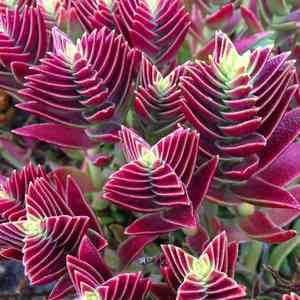
Red pagoda(Crassula capitella)

Red pagoda (Crassula capitella)

Also known as: Campfire plant

Campfire crassula (*Crassula capitella*), also known as Red Pagoda, Red Flames, or Campfire Plant, originates from Southern Africa. This species thrives in temperatures above -1°C, and its leaves transition from green to red with more sunlight exposure.

Attributes of Red pagoda

Lifespan
Perennial
Plant Type
Succulent, Herb
Plant Height
15 cm to 40 cm
Spread
45 cm
Leaf Color
Green Red
Flower Size
2.5 cm
Flower Color
White Pink

ForwardPlant - Identify plants with a snap

Identify and diagnose plants, get toxicity alerts, and explore safety guides for all types of fungi.

Try for Free

Images of Red pagoda

Red pagoda(Crassula capitella)

Quickly Identify Red pagoda

1
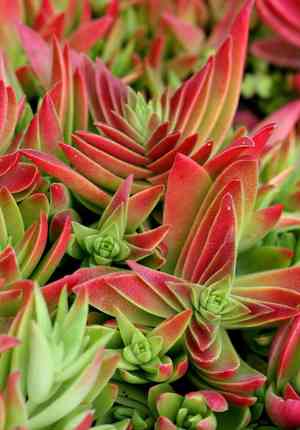
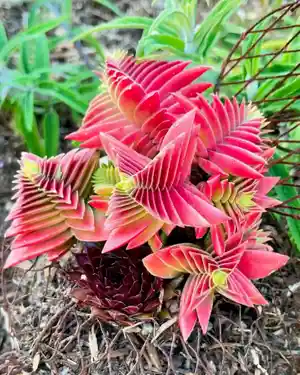
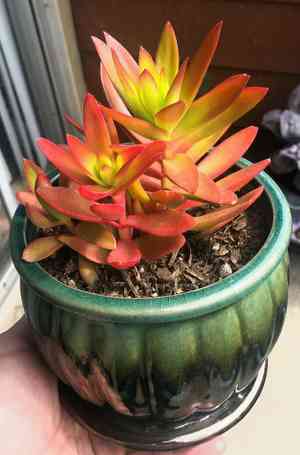
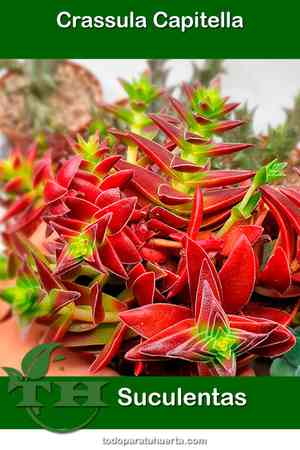
Identify Crassula capitella by its distinctly triangular, fleshy leaves that form tight rosettes. In good light, the leaves will be a vibrant red, but in shadier conditions, they remain green. The plant also produces small white star-shaped flowers.

Scientific Classification of Red pagoda

Phylum
Vascular plants
Class
Dicotyledons
Order
Saxifrages, stonecrops and allies
Family
Stonecrop
Genus
Crassula
Species
Red pagoda

Planting and Growing of Red pagoda

Care Difficulty
Easy
Watering Schedule
Every 2 days
Sunlight Requirements
Full sun
Sunshine Duration
4-8 hours
Ideal Temperature
60-75℉
Soil Type
Potting Mix, Peat Mix
Soil pH
6.5-7.5
Fertilizer Type
Balanced
Pruning Season
Spring, Summer
Pruning Area
Branches, Leaves
Pruning Frequency
2 times a year
Repotting Season
Spring
Pot Type
Plastic, Ceramic

water icon How to Water Red pagoda?

For Crassula capitella, water until the top inch of soil is moist but not soggy. Ensure that no excess water collects at the bottom of the pot, as this can lead to root rot.
What are the symptoms of an underwatered Red pagoda?
What should I do if my Red pagoda is not getting enough water?
What are the symptoms of an overwatered Red pagoda?
How to save an overwatered Red pagoda?
More About Watering Techniques

sunlight icon What Are the Sunlight Requirements for Red pagoda?

Sunlight Requirements: Full sun, Partial sun
Duration of light: 4-6 hours direct
Crassula capitella thrives in full sun to partial sun, benefiting from 4-6 hours of direct sunlight. This optimal light range ensures robust growth and vibrant leaf coloration, enhancing the plant's overall health and appearance.
What is the ideal location for Crassula capitella?
How to adjust lighting throughout the year?
What benefit does ideal lighting bring?
More About Sunlight Requirements Techniques

temperature icon What Is the Ideal Temperature Range for Red pagoda?

Ideal Temperature: 60 ~ 75℉
Maintaining ideal temperatures between 60°F and 75°F is crucial for the optimal growth of Crassula capitella. This ensures photosynthesis occurs efficiently and prevents plant stress. These conditions mimic their natural habitat, allowing for lush and vibrant foliage.

soil icon What Soil is Best for Red pagoda?

Soil type: Sandy soil, Loam, Sandy loam
Soil PH: 6.5 ~ 7.5
Crassula capitella thrives in well-drained soil. Adequate drainage prevents roots from becoming waterlogged, reducing the risk of root rot—a common problem in succulent plants. This plant prefers soil with moderate nutrient availability. Rich organic matter is beneficial, but an overly fertile medium can lead to weak, leggy growth. Balanced nutrients support compact, healthy leaves. The ideal soil for Crassula capitella maintains a balance between particles for optimal texture. This encourages proper root establishment and supports the plant's structural integrity and overall health. More About Soil

fertilize icon How to Fertilize Red pagoda?

Fertilizer type: Balanced
For Crassula capitella, it's essential to provide a balanced nutrient approach. Liquid fertilizers should be diluted to half the recommended strength on the packaging to avoid nutrient burn. Use approximately 1/4 teaspoon per gallon monthly. Slow-release fertilizers should be applied sparingly, with around one tablespoon spread evenly on the soil surface once every four months.

prune icon How to Prune Red pagoda?

Pruning Time: Spring, Summer
Begin by removing any brown or shriveled leaves as well as stems that appear to be dead or sick. This will not only improve the plant's appearance but also help direct energy to healthy parts. Regularly check for stems that are becoming too long or leggy, and trim these back to a node to encourage branching. This can help the plant maintain dense, bushy growth. To prevent the spread of disease, always remember to disinfect your tools between each cut, especially if you are working on different plants. A quick dip in rubbing alcohol can be effective.

propagate icon How to Propagate Red pagoda plant?

Propagate Time: Spring, Early summer
1
Select a healthy parent's plant stem and cut a 3-4 inch piece using a sharp knife or pruning shears. Ensure the cutting surface is clean to prevent disease transmission. Allow the cut end to callous over for a few days before planting.
2
Use a well-draining cactus or succulent mix for planting. Mixing the soil with sand or perlite improves drainage. Fill a small pot with the prepared soil, providing a suitable environment for root development.
3
For cuttings, insert the calloused end into the prepared soil about 1-2 inches deep. For seeds, scatter them on the soil surface and cover lightly. Ensure the soil is moist but not waterlogged to encourage rooting or germination.
More About Propagating Techniques

repot icon How to Repot Red pagoda plant?

Repotting frequency: Every two years
1
Look for signs like roots growing out of drainage holes, the plant looking top-heavy, or a slowed growth rate during its growing season. These indicate it's time for repotting.
2
Opt for a pot that is one size larger than the current one. Ensure it has drainage holes to prevent waterlogging, which can lead to root rot. The right pot provides stability and prevents the plant from getting too wet.
3
Use a well-draining cactus or succulent mix. This soil type prevents water retention, decreases the risk of root rot, and promotes healthy root development, vital for Crassula capitella.
More About Repotting Techniques

ForwardPlant - Identify plants with a snap

Find the best spots for them to optimize their health, simply using your phone.

Try for Free

Toxicity of Red pagoda

Is Red pagoda toxic to cat?

The red pagoda plant possesses a moderate level of toxicity for cats. If a cat consumes any portion of the red pagoda, it is important to note that all parts of the plant are harmful, which could lead to physical discomfort or illness in the animal. The most frequent route of poisoning in cats occurs via ingestion. Should you observe any indications of distress after your cat comes into contact with the red pagoda, it is crucial to promptly seek assistance from a veterinary hospital to address the poisoning and facilitate the recovery of the affected cat.

Is Red pagoda toxic to dog?

The red pagoda plant species is recognized as having a moderate degree of toxicity for dogs. If a dog consumes any portion of this plant, as all sections are toxic, there is a risk of poisoning. Pet owners need to remain vigilant to prevent their dogs from chewing or ingesting red pagoda. Should a dog ingest any part of this plant, they might display symptoms like vomiting, diarrhea, lethargy, or unusual behaviors that suggest discomfort or pain. It is vital for dog owners to understand that immediate veterinary attention is crucial if poisoning is suspected. Timely intervention can reduce the impact of the toxins and ensure the best possible recovery for the affected pet.

Identify toxic plants for your safety

Learn which plants are harmful to you and your pets, and make informed choices for a safer home!

Try for Free
WARNING
The judgment on toxicity and danger is for reference only. We DO NOT GUARANTEE any accuracy of such judgment. Therefore, you SHALL NOT rely on such judgment. It is IMPORTANT TO SEEK PROFESSIONAL ADVICE in advance when necessary.
More About Toxic Techniques