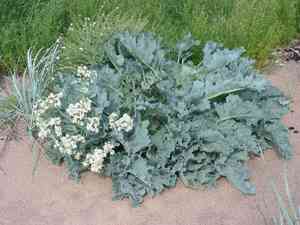
Crambe (Crambe)(Crambe)

Crambe (Crambe) (Crambe)

Also known as: Kale Crambe, Sea Kale

Crambe (Crambe abyssinica) is a hardy, fast-growing crop that can be sown in either spring or winter. It thrives in temperate regions with well-drained soils and full sunlight, displaying tolerance to drought conditions. Typically, it can be cultivated in a variety of soils, including limestone, mudstone, and siltstone, and is often found in areas with sagebrush and desert shrub communities.

Products derived from Crambe include:
1. **Crambe Oil**: High in erucic acid, utilized in industrial lubricants, plastics, and cosmetics.
2. **Protein Isolates**: Extracted from the seeds for use in various applications.
3. **Corrosion Inhibitors**: Derived from the oil for industrial purposes.
4. **Wax Additives**: Components used in various manufacturing processes.

These diverse applications make Crambe a versatile and valuable crop for both industrial and agricultural purposes.

Attributes of Crambe (Crambe)

Lifespan
Biennial
Plant Height
50 - 100 cm (20 - 40 inches)
Spread
Varies, typically sprawling around 100 cm (40 inches)
Leaf Color
Green to bluish-green
Flower Size
Small, approximately 0.5 cm (0.2 inches)
Flower Color
White

ForwardPlant - Identify plants with a snap

Identify and diagnose plants, get toxicity alerts, and explore safety guides for all types of fungi.

Try for Free

Images of Crambe (Crambe)

Crambe (Crambe)(Crambe)

Quickly Identify Crambe (Crambe)

1
Crambe plants can be identified by their large, lobed leaves, which can be somewhat reminiscent of kale or cabbage. The flowers are typically small and white, arranged in dense clusters.

Scientific Classification of Crambe (Crambe)

Phylum
Tracheophyta
Class
Magnoliopsida
Order
Brassicales
Family
Brassicaceae
Genus
Crambe

Planting and Growing of Crambe (Crambe)

Care Difficulty
Moderate
Watering Schedule
Every 4 days
Sunlight Requirements
Full sun
Sunshine Duration
4-6 hours
Ideal Temperature
65-75℉
Soil Type
Potting Mix, Peat Mix
Soil pH
6.5-7.5
Fertilizer Type
Balanced
Pruning Season
Spring, Summer
Pruning Area
Branches, Leaves
Pruning Frequency
2 times a year
Repotting Season
Spring
Pot Type
Plastic, Ceramic

water icon How to Water Crambe (Crambe)?

Crambe plants enjoy a good soak, but it's crucial to allow their soil to dry out between waterings. Aim for about 250 ml of water each time, ensuring the top few inches of soil are moist but not overly saturated. This helps maintain healthy root growth without risking root rot.
What are the symptoms of an underwatered Crambe (Crambe)?
What should I do if my Crambe (Crambe) is not getting enough water?
What are the symptoms of an overwatered Crambe (Crambe)?
How to save an overwatered Crambe (Crambe)?

sunlight icon What Are the Sunlight Requirements for Crambe (Crambe)?

Sunlight Requirements: Full sun, Partial sun
Duration of light: 6 to 8 hours
Crambe prefers full sun to partial sun conditions, benefiting from 6 to 8 hours of light daily. This environment promotes its natural growth patterns, encouraging lush foliage and abundant flowering.
What is the optimal light exposure for Crambe?
How to achieve ideal lighting conditions for Crambe?
What are the benefits of ideal light exposure for Crambe?

temperature icon What Is the Ideal Temperature Range for Crambe (Crambe)?

Ideal Temperature: 65 ~ 75℉
The ideal temperature range for Crambe's growth lies between 65°F to 75°F. Maintaining this temperature ensures optimal photosynthesis and minimizes stress. During these temperatures, Crambe can absorb nutrients more efficiently and growth rates are maximized. It is crucial to keep Crambe within this temperature range to enhance foliage development and flowering.

soil icon What Soil is Best for Crambe (Crambe)?

Soil type: Loam, Calcareous soil, Sandy loam
Soil PH: 6.5 ~ 7.5
Crambe thrives best in well-drained soil, which prevents waterlogging and root rot. This requirement ensures that the roots have adequate access to oxygen, promoting robust health and growth. The plant benefits from nutrient-rich soil, which supplies essential minerals and nutrients necessary for lush foliage and flowering. Regular fertilization or compost can enhance this condition. Crambe prefers moderate moisture levels, avoiding extremes of drought or saturation. Consistent moisture supports stable growth and helps the plant manage seasonal changes effectively.

fertilize icon How to Fertilize Crambe (Crambe)?

Fertilizer type: Balanced
For Crambe, apply liquid fertilizer at a quarter strength to prevent root burn. Use about 5 ml of liquid fertilizer mixed with one liter of water per plant. Ensure the solution is well-diluted to encourage gentle growth.

prune icon How to Prune Crambe (Crambe)?

Pruning Time: Autumn
Prune Crambe plants in the autumn after the flowering season. This helps redirect the plant's energy from spent blooms to developing healthy roots and foliage for the next growing season. Begin by removing any dead or damaged stems to encourage new growth. Cut back the flowering stems to their base to prevent the plant from self-seeding excessively, which helps in maintaining a tidy appearance.

propagate icon How to Propagate Crambe (Crambe) plant?

Propagate Time: Spring, Early summer
1
Soak the seeds in water for 24 hours to soften the seed coat, promoting faster germination. Remove any floating seeds as they may not be viable.
2
Fill the seed tray with a well-draining potting mix. Sow seeds evenly on the surface, cover lightly with a thin layer of soil, and water gently.
3
Select a healthy stem from an established plant. Cut a 4-6 inch section just below a node, remove the lower leaves, and dip the cut end in rooting hormone.

repot icon How to Repot Crambe (Crambe) plant?

Repotting frequency: Every two to three years
1
Crambe plants should be repotted when their roots start to outgrow the current container or when the plant begins to dry out much faster than usual. These signs indicate that the plant has become root-bound and needs more space to grow comfortably. It's best to do this in early spring before the growing season kicks off, ensuring they can settle in and maximize their growth potential.
2
Select a pot that is 1-2 inches larger in diameter than the current one. This provides adequate space for new root growth without overwhelming the plant. Make sure the pot has drainage holes, as this will prevent waterlogging, which can lead to root rot, a common issue when the wrong pot is chosen. The increased space and proper drainage together support healthier root development.
3
Use a well-draining potting mix comprised of equal parts loam, sand, and organic matter. This composition allows good aeration and drainage, which are essential for preventing root rot and promoting healthy growth. The nutrients in the mix also support the plant's overall development, particularly after being repotted, when plants are more vulnerable to transplant shock.

ForwardPlant - Identify plants with a snap

Find the best spots for them to optimize their health, simply using your phone.

Try for Free

