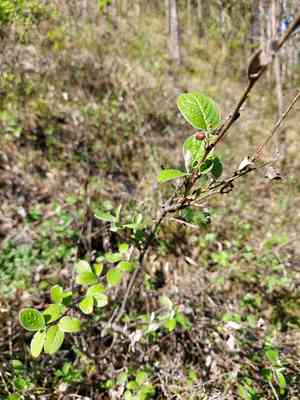
Black-fruited cotoneaster (Cotoneaster melanocarpus)
Also known as: Black cotoneaster
The plant you're referring to is the **black-fruited cotoneaster**, a low-growing deciduous shrub commonly used for ground cover, borders, and hedges. It is named for its small black fruits and attracts bees with its nectar-rich flowers.
In This Article
Attributes of Black-fruited cotoneaster
Lifespan
Perennial
Plant Type
Shrub
Plant Height
1 m to 2 m
Spread
2.5 m
Leaf Color
Green
Flower Size
7 mm
Flower Color
Pink
Images of Black-fruited cotoneaster
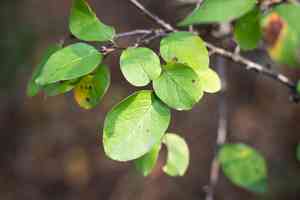
Quickly Identify Black-fruited cotoneaster
1
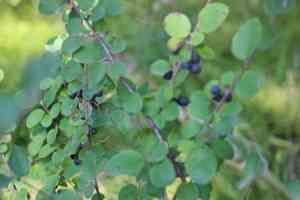
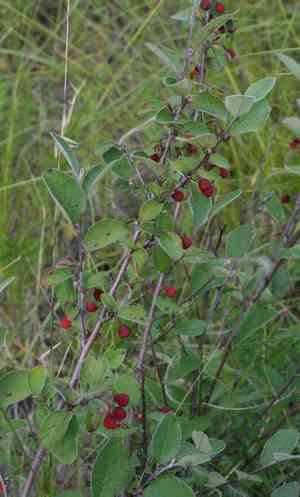
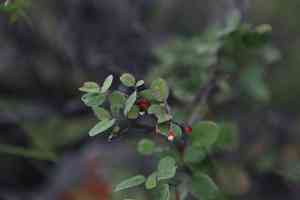
The plant can be identified by its small, blackish fruits, simple elliptic leaves, and small white or pinkish flowers that bloom in clusters. It often has a sprawling growth habit.
Scientific Classification of Black-fruited cotoneaster
Phylum
Vascular plants
Class
Dicotyledons
Order
Rosales
Family
Rose
Genus
Cotoneaster
Species
Black-fruited cotoneaster
Planting and Growing of Black-fruited cotoneaster
Care Difficulty
Easy
Watering Schedule
Every 3 days
Sunlight Requirements
Full sun
Sunshine Duration
4-6 hours
Ideal Temperature
60-75℉
Soil Type
Potting Mix, Peat Mix
Soil pH
6.5-7.5
Fertilizer Type
Balanced
Pruning Season
Spring, Summer
Pruning Area
Branches, Leaves
Pruning Frequency
Once a year
Repotting Season
Spring
Pot Type
Plastic, Ceramic
 How to Water Black-fruited cotoneaster?
For Cotoneaster melanocarpus, ensure you water it enough to moisten the soil to a depth of about 8 to 10 inches. The goal is to provide sufficient moisture without waterlogging the soil. Approximately 500 ml per watering session is recommended, but be sure to adjust based on the specific needs of the plant and environmental conditions.
What are the symptoms of an underwatered Black-fruited cotoneaster?
›
What should I do if my Black-fruited cotoneaster is not getting enough water?
›
What are the symptoms of an overwatered Black-fruited cotoneaster?
›
How to save an overwatered Black-fruited cotoneaster?
›
 What Are the Sunlight Requirements for Black-fruited cotoneaster?
Cotoneaster melanocarpus is best suited to half to full day sun conditions. This range supports balanced photosynthesis, robust plant development, and prolific fruit production, vital for ornamental appeal.
More About Sunlight Requirements Techniques→
What is the best light condition for Cotoneaster melanocarpus?
›
How can I ensure my Cotoneaster melanocarpus gets ideal light conditions?
›
What benefits will my Cotoneaster melanocarpus gain from ideal lighting?
›
 What Is the Ideal Temperature Range for Black-fruited cotoneaster?
The ideal temperature range for the growth of Cotoneaster melanocarpus is between 60°F and 75°F. This range allows the plant to optimize its metabolic processes, ensuring proper growth, flowering, and fruit production. By maintaining these temperatures, the plant can prevent stress-related issues that may arise from temperature extremes.
 What Soil is Best for Black-fruited cotoneaster?
Cotoneaster melanocarpus thrives in nutrient-rich soils which provide essential minerals. This nutrient richness promotes vigorous growth and enhances the plant's fruit-bearing capability, resulting in a more visually appealing and healthy plant. This plant prefers soils with good drainage like sandy loam to prevent waterlogging. Proper drainage prevents root rot and allows the roots to access the air they need, leading to healthier growth and longevity. Maintaining the soil's pH level between 6.5 to 7.5 is crucial for optimal nutrient absorption. This pH range ensures that nutrients like nitrogen and phosphorus are more readily available to the plant, promoting its overall health.
 How to Fertilize Black-fruited cotoneaster?
For Cotoneaster melanocarpus, a general-purpose balanced fertilizer is recommended. When using liquid fertilizer, dilute it to half-strength to avoid burning the roots. If you're using slow-release pellets, apply about 1 to 2 tablespoons around the base, ensuring even distribution. Always follow the manufacturer's instructions to avoid over-fertilization.
 How to Prune Black-fruited cotoneaster?
Start by removing any dead, diseased, or damaged branches to allow more air circulation and enhance overall plant health. Trim the outer stems to maintain a rounded shape, but be careful not to over-prune, as this might hinder blooming and fruit production.
More About Pruning Techniques→
 How to Propagate Black-fruited cotoneaster plant?
1
Collect seeds from mature Cotoneaster melanocarpus berries in the fall. Clean the seeds by removing any pulp and allow them to dry before storage or direct sowing.
2
In spring, select semi-hardwood stems for cuttings, ideally 10-15 cm long. Make the cuts just below a node and remove leaves from the lower half to prevent rot and aid rooting.
3
In spring, choose a healthy, low branch that can be bent to the ground. Gently wound a section of the stem to expose the cambium, cover with soil, and secure it until roots develop.
 How to Repot Black-fruited cotoneaster plant?
1
Cotoneaster melanocarpus sends signals when it's time to repot. Look out for roots growing out of the drainage holes, slower growth than usual, or when the soil dries out too quickly after watering. Each of these signs indicates that the plant has outgrown its current pot and needs more space.
2
Select a pot that’s one size larger than the current one. Ensure it has adequate drainage holes to prevent waterlogging, which can lead to root rot. Using a slightly larger pot provides more room for root growth and better airflow, supporting healthier plant development.
3
Opt for a well-draining loamy soil mix. This type of soil holds necessary moisture but allows excess moisture to escape, preventing root rot. The loamy texture supports robust root growth, providing a balanced environment for nutrients and air circulation.



