
Shiny cotoneaster (Cotoneaster lucidus)
Also known as: Shiny Cotoneaster, Hedge Cotoneaster
Gardeners frequently choose shiny cotoneaster for its versatility as a hedge or focal point in the garden. This rapidly growing shrub offers year-round appeal, with small spring flowers and vibrant fall foliage. Additionally, when other plants start to fade, shiny cotoneaster produces striking red berries, adding a splash of color to the autumn landscape.
In This Article
Attributes of Shiny cotoneaster
Lifespan
Perennial
Plant Type
Shrub
Plant Height
6-10 feet (1.8-3 meters)
Spread
4-6 feet (1.2-1.8 meters)
Leaf Color
Dark green
Flower Size
0.25 inches (0.6 cm)
Flower Color
Pink
Images of Shiny cotoneaster


Quickly Identify Shiny cotoneaster
1
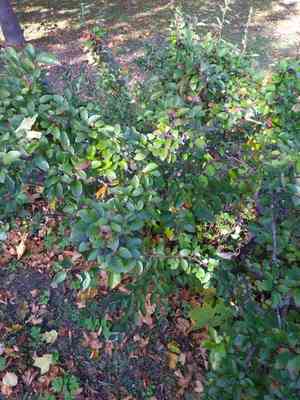
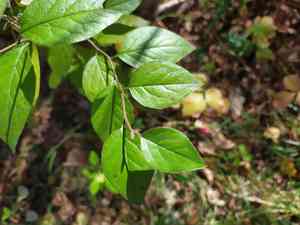
The plant can be identified by its glossy, dark green leaves, small pink flowers, and black berries. It typically grows in a dense, mounded habit.
Scientific Classification of Shiny cotoneaster
Phylum
Vascular plants
Class
Dicotyledons
Order
Rosales
Family
Rose
Genus
Cotoneaster
Species
Shiny cotoneaster
Planting and Growing of Shiny cotoneaster
Care Difficulty
Easy
Watering Schedule
Every 2 days
Sunlight Requirements
Full sun
Sunshine Duration
10-14 hours
Ideal Temperature
60-70℉
Soil Type
Potting Mix, Peat Mix
Soil pH
6.5-7.5
Fertilizer Type
Balanced
Pruning Season
Spring, Summer
Pruning Area
Branches, Leaves
Pruning Frequency
2 times a year
Repotting Season
Spring
Pot Type
Plastic, Ceramic
 How to Water Shiny cotoneaster?
For Cotoneaster lucidus, it is essential to maintain a consistent but moderate watering routine. Each watering session should ensure the soil is thoroughly moist, allowing around 500ml of water per session. This ensures the roots receive adequate moisture without the risk of over-saturation. The goal is to mimic natural rainfall patterns, ensuring deep root hydration while promoting healthy plant growth.
What are the symptoms of an underwatered Shiny cotoneaster?
›
What should I do if my Shiny cotoneaster is not getting enough water?
›
What are the symptoms of an overwatered Shiny cotoneaster?
›
How to save an overwatered Shiny cotoneaster?
›
 What Are the Sunlight Requirements for Shiny cotoneaster?
Cotoneaster lucidus ideally thrives in full to partial sun conditions. Under these conditions, the plant can maximize its growth, yield glossy, lush foliage, and produce abundant berries, which are hallmarks of a healthy specimen.
How much light does Cotoneaster lucidus need?
›
What can you do to provide ideal lighting conditions?
›
What benefits does ideal lighting provide to Cotoneaster lucidus?
›
 What Is the Ideal Temperature Range for Shiny cotoneaster?
For optimal growth, Cotoneaster lucidus thrives in an environment where temperatures consistently range between 60°F and 70°F. This range supports active physiological processes and ensures that the plant develops healthy foliage and blooms. During this temperature zone, the metabolism of the plant remains vigorous, promoting nutrient uptake and efficient water use.
 What Soil is Best for Shiny cotoneaster?
Cotoneaster lucidus thrives in well-draining soil, preventing waterlogging that can lead to root rot. The plant benefits from soil that retains moisture yet drains efficiently, ensuring roots receive both water and oxygen. This balance encourages healthy growth and vibrant foliage. This plant grows best in moderately fertile soils, rich in organic content. Fertility supports strong, robust growth by supplying the necessary nutrients for its metabolic processes. Well-fed plants often exhibit more vibrant blooms and more resilient health overall. Preferring a neutral to slightly alkaline pH (6.5 to 7.5), this plant finds the right balance of nutrients easily available. An optimal pH dissolves essential nutrients effectively, facilitating uptake and promoting vigorous growth and development.
 How to Fertilize Shiny cotoneaster?
Cotoneaster lucidus thrives with balanced fertilization, applying about 1/4 cup of liquid fertilizer per gallon of water for mature plants. For slow-release fertilizers, use roughly 1 pound per 100 square feet, ensuring it supports steady growth without overwhelming the roots.
 How to Prune Shiny cotoneaster?
Start by inspecting the plant for any dead or diseased branches. Cut these back to healthy wood to prevent the spread of infections and to encourage new growth from healthy stems. Once dead wood is removed, proceed to shape the plant. Aim for an open structure that allows good air circulation. Trim back any straggly growth and create a balanced appearance to maintain its attractive form. For prolific berry production, trim lightly around the tips to stimulate more flowering branches. This is particularly effective after the main bloom in early summer, fostering additional berry-bearing shoots.
More About Pruning Techniques→
 How to Propagate Shiny cotoneaster plant?
1
To ensure healthy growth, it's crucial to prepare well-draining soil. Enrich the soil with organic matter to provide necessary nutrients for young plants.
2
When taking cuttings, choose a healthy shoot and cut a section about 10-15 cm long. Remove the lower leaves before planting to prevent rot.
3
Sow seeds in prepared seed trays, cover lightly with soil, and water gently. Make sure the seeds have sufficient warmth and moisture for germination.
 How to Repot Shiny cotoneaster plant?
1
Cotoneaster lucidus should be repotted when you notice the roots starting to grow out of the drainage holes or the soil is drying out much faster than usual. These signs indicate that the plant has outgrown its pot and requires more space to continue thriving.
2
Select a pot that is one size larger than the current one, allowing extra space for root expansion. This prevents the roots from being crammed and enhances the plant's overall health by promoting better soil aeration and nutrient absorption.
3
Opt for a well-draining potting mix to prevent root rot. A mix designed for shrubs or small trees works well. This soil type ensures that excess water drains away efficiently, protecting the roots from soaking and encouraging strong growth.



