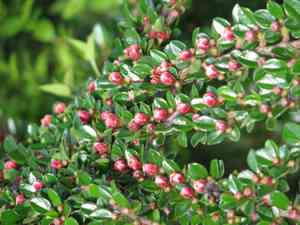
Rockspray cotoneaster(Cotoneaster horizontalis)

Rockspray cotoneaster (Cotoneaster horizontalis)

Also known as: Fishbone Cotoneaster, Wall cotoneaster, Wallspray

Rockspray cotoneaster (Cotoneaster horizontalis) is a low-growing deciduous shrub that enhances garden aesthetics with its unique characteristics. It features delicate pink flowers that bloom from spring to summer, followed by striking red berries in late summer to fall. The dark green, glossy leaves transform into a vibrant reddish-purple hue in the fall. This plant also attracts butterflies and birds, adding life to your garden. It thrives in full sun to partial shade and typically grows to a height of 30 to 61 cm.

Attributes of Rockspray cotoneaster

Lifespan
Perennial
Plant Type
Shrub
Plant Height
50 cm to 1 m
Spread
1.5 m
Leaf Color
Green Red Orange
Flower Size
5 mm to 7 mm
Flower Color
Pink White

PlantJoy - Identify plants with a snap

Identify and diagnose plants, get toxicity alerts, and explore safety guides for all types of fungi.

Try for Free

Images of Rockspray cotoneaster

Rockspray cotoneaster(Cotoneaster horizontalis)

Quickly Identify Rockspray cotoneaster

1
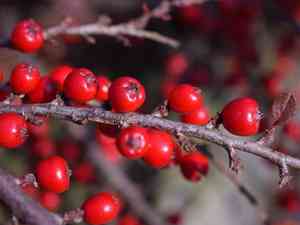
1/4 inch (6 mm) bright red berries in late summer.
2
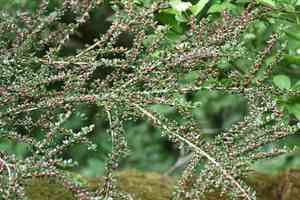
Distinctive fishbone pattern on red-brown stems.
3
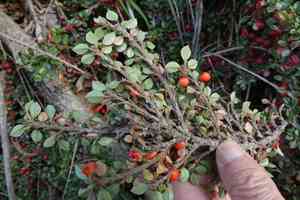
Glossy, dark green leaves with red-purple fall color.
4
Low-growing form with horizontal branching habit.
5
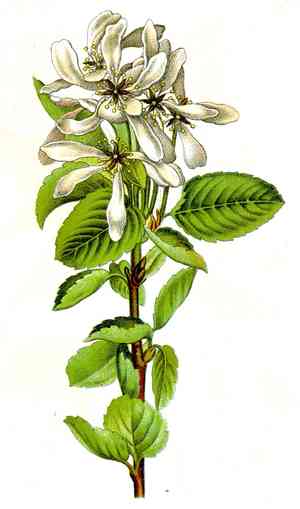
Soft pink, 1/2 inch (1.25 cm) five-petaled flowers.

Scientific Classification of Rockspray cotoneaster

Phylum
Vascular plants
Class
Dicotyledons
Order
Roses, elms, figs, and allies
Family
Rose
Genus
Cotoneaster
Species
Rockspray cotoneaster

Planting and Growing of Rockspray cotoneaster

Care Difficulty
Easy
Watering Schedule
Every 2 days
Sunlight Requirements
Full sun
Sunshine Duration
6-12 hours
Ideal Temperature
60-75℉
Soil Type
Potting Mix, Peat Mix
Soil pH
6.5-7.5
Fertilizer Type
Balanced
Pruning Season
Spring, Summer
Pruning Area
Branches, Leaves
Pruning Frequency
2 times a year
Repotting Season
Spring
Pot Type
Plastic, Terracotta

water icon How to Water Rockspray cotoneaster?

Cotoneaster horizontalis prefers to be watered thoroughly but infrequently. Each time you water, aim to provide about 500 milliliters per plant. The goal is to water until the soil is moist but not waterlogged, allowing the top layer to dry out slightly between waterings. This helps to mimic its natural habitat, preventing root rot while ensuring adequate hydration.
What are the symptoms of an underwatered Rockspray cotoneaster?
What should I do if my Rockspray cotoneaster is not getting enough water?
What are the symptoms of an overwatered Rockspray cotoneaster?
How to save an overwatered Rockspray cotoneaster?
More About Watering Techniques

sunlight icon What Are the Sunlight Requirements for Rockspray cotoneaster?

Sunlight Requirements: Full sun, Partial sun
Duration of light: 4 to 6 hours
Preferred light exposure is full sun to partial sun, as it encourages thriving foliage and resilience against stress and pests.
How much sunlight does Cotoneaster horizontalis need?
What are the best strategies to provide ideal lighting?
What benefits does ideal lighting provide to Cotoneaster horizontalis?
More About Sunlight Requirements Techniques

temperature icon What Is the Ideal Temperature Range for Rockspray cotoneaster?

Ideal Temperature: 60 ~ 75℉
Cotoneaster horizontalis thrives when grown in temperatures between 60°F and 75°F. This range provides optimal conditions for the plant's metabolic processes, including photosynthesis and respiration. At these temperatures, growth is harmonious, with optimal leaf and root development, leading to a healthy and aesthetically pleasing plant.

soil icon What Soil is Best for Rockspray cotoneaster?

Soil type: Loam, Sandy loam, Calcareous soil
Soil PH: 6.5 ~ 7.5
Cotoneaster horizontalis thrives in well-drained soil, ensuring roots do not become waterlogged. This prevents root rot and promotes healthy growth by allowing essential nutrients and oxygen to reach the roots. The plant benefits greatly from nutrient-rich soil, enhancing its vibrant foliage and abundant berry production. A balance of essential nutrients supports robust growth and resilience against pests and diseases. While drought-tolerant, the plant prefers soil that retains moderate moisture to support sustained growth. This ensures consistent nutrient uptake and minimizes stress during dry periods. More About Soil

fertilize icon How to Fertilize Rockspray cotoneaster?

Fertilizer type: Balanced
For Cotoneaster horizontalis, it's important to apply the right amount of fertilizer to ensure healthy growth. Use 10-15 grams per plant for liquid fertilizer and 30-50 grams of slow-release granules. Too much fertilizer can harm the plant, so measure accurately. More About Fertilizing Techniques

prune icon How to Prune Rockspray cotoneaster?

Pruning Time: Spring, Autumn
Start by removing any dead or damaged branches to keep the plant healthy. Next, prune any shoots that disrupt the attractive horizontal shape of the plant, focusing on those growing upwards or downwards. Cut back wayward stems just above a node to encourage new growth and shape the plant. Maintain a balance between the aesthetic form and the plant's natural growth pattern for best results. More About Pruning Techniques

propagate icon How to Propagate Rockspray cotoneaster plant?

Propagate Time: Spring, Early summer, Late autumn
1
Choose healthy, disease-free semi-hardwood cuttings from the parent plant during the growing season. The cuttings should be about 10-15 cm long with a few leaves near the top to ensure successful propagation.
2
Remove the leaves from the lower half of the cutting and dip the cut end in rooting hormone powder. This encourages root formation and protects the cutting from fungal infections.
3
Insert the prepared cuttings into a well-drained potting mix. Maintain moisture by covering with a plastic bag or placing them in a propagation tray to create a humid environment that supports root development.
More About Propagating Techniques

repot icon How to Repot Rockspray cotoneaster plant?

Repotting frequency: Every 2-3 years
1
Keep an eye on signs like roots growing out of drainage holes or the plant becoming root-bound, which is when the root ball becomes densely packed. Cotoneaster horizontalis thrives best when repotted in early spring or autumn. During these times, the plant experiences less stress and can adjust more readily to new soil conditions.
2
Select a pot with excellent drainage capabilities to prevent waterlogging, which could damage roots. The pot should be only slightly larger than the previous one to encourage healthy root growth without risking root rot. Materials like clay or terracotta, which allow for breathability, are ideal.
3
Opt for a well-draining compost soil, enhanced with grit or perlite to promote drainage and aeration. This will provide the roots with enough room to expand, hold enough nutrients, and prevent compaction that restricts growth. Well-draining soils also minimize root rot risks.
More About Repotting Techniques

PlantJoy - Identify plants with a snap

Find the best spots for them to optimize their health, simply using your phone.

Try for Free

Toxicity of Rockspray cotoneaster

Is Rockspray cotoneaster toxic to humans?

The Rockspray cotoneaster produces attractive berries, but they should not be consumed by anyone except birds—particularly the unripe varieties. Most animals, including humans, can suffer from poisoning if they ingest the berries. These fruits contain cyanogenic glycosides, which generate cyanide gas when they come into contact with stomach acid. Even a small amount can lead to symptoms such as nausea, vomiting, diarrhea, and severe colic. A larger quantity can result in cyanide poisoning, leading to serious effects like breathing difficulties, a bluish tint to the skin, weakness, convulsions, loss of consciousness, and potentially fatality. Ensure that children and those with cognitive impairments are kept away from these plants, especially during the berry formation period.

Is Rockspray cotoneaster toxic to cat?

Rockspray cotoneaster poses a significant toxicity risk to cats, with its fruits being especially hazardous if consumed. Cats might unintentionally eat the fruit, which can result in poisoning. When exposed to this plant, a cat may exhibit various symptoms of discomfort or illness due to its toxic properties. Although the specific toxic compounds found in rockspray cotoneaster are not clearly defined, it is essential for cat owners to remain alert and keep their pets away from these fruits. Should poisoning be suspected, prompt veterinary attention is crucial to safeguard the well-being of the affected cat.

Is Rockspray cotoneaster toxic to dog?

Rockspray cotoneaster is known to be toxic to dogs. When dogs accidentally consume this plant, especially its fruits, which are the toxic components, they can experience poisoning. Ingestion of these fruits may lead to symptoms including vomiting, diarrhea, or more significant reactions based on the quantity ingested. It is vital for dog owners to watch over their pets and keep rockspray cotoneaster plants out of their reach. If a dog consumes any portion of rockspray cotoneaster, it is imperative to obtain immediate veterinary assistance to manage any possible poisoning.

Identify toxic plants for your safety

Learn which plants are harmful to you and your pets, and make informed choices for a safer home!

Try for Free
WARNING
The judgment on toxicity and danger is for reference only. We DO NOT GUARANTEE any accuracy of such judgment. Therefore, you SHALL NOT rely on such judgment. It is IMPORTANT TO SEEK PROFESSIONAL ADVICE in advance when necessary.
More About Toxic Techniques