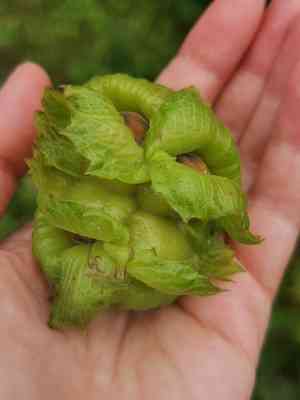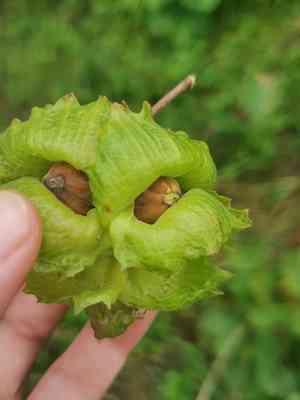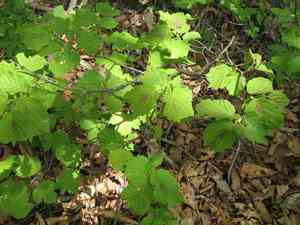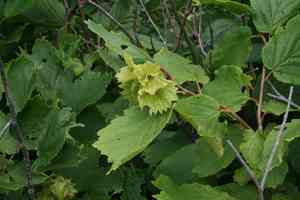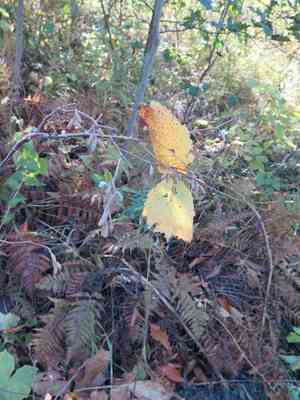
Siberian hazelnut(Corylus heterophylla)

Siberian hazelnut (Corylus heterophylla)

Also known as: Siberian hazel, Siberian filbert

To tell apart a Siberian hazelnut (Corylus heterophylla) from a common hazel (Corylus avellana), consider these key differences:

1. **Leaf Characteristics**:
- **Corylus heterophylla**: Features broadly ovate leaves with a more symmetrical base and doubly serrated edges.
- **Corylus avellana**: Exhibits broadly ovate leaves that often have a slightly asymmetrical base and singly serrated edges.

2. **Male Catkins**:
- **Corylus heterophylla**: Male catkins are typically shorter and thicker.
- **Corylus avellana**: Male catkins tend to be longer and slimmer.

3. **Nut Size and Shape**:
- **Corylus heterophylla**: Produces smaller nuts that may have a more pronounced tip.
- **Corylus avellana**: Produces larger, rounder nuts.

4. **Geographical Origin**:
- **Corylus heterophylla**: Indigenous to East Asia, including regions like China, Korea, and Japan, and is commercially cultivated in China.
- **Corylus avellana**: Native to Europe and Western Asia.

Attributes of Siberian hazelnut

Lifespan
Perennial
Plant Type
Tree
Plant Height
1 m to 7 m
Spread
7 m
Leaf Color
Green
Flower Size
4 cm
Flower Color
Yellow Green Brown

ForwardPlant - Identify plants with a snap

Identify and diagnose plants, get toxicity alerts, and explore safety guides for all types of fungi.

Try for Free

Images of Siberian hazelnut

Siberian hazelnut(Corylus heterophylla)

Quickly Identify Siberian hazelnut

1
Corylus heterophylla can be identified by its broad, rounded leaves with irregular lobes, and its catkins which appear in early spring. The nuts are held in a spiky husk.

Scientific Classification of Siberian hazelnut

Phylum
Vascular plants
Class
Dicotyledons
Order
Beeches, walnuts, and allied trees
Family
Birch
Genus
Hazels
Species
Siberian hazelnut

Planting and Growing of Siberian hazelnut

Care Difficulty
Easy
Watering Schedule
Every 4 days
Sunlight Requirements
Partial sun
Sunshine Duration
4-8 hours
Ideal Temperature
60-75℉
Soil Type
Potting Mix, Peat Mix
Soil pH
6.5-7.5
Fertilizer Type
Balanced
Pruning Season
Spring, Summer
Pruning Area
Branches, Leaves
Pruning Frequency
2 times a year
Repotting Season
Spring
Pot Type
Terracotta, Plastic

water icon How to Water Siberian hazelnut?

Corylus heterophylla thrives when watered thoroughly but infrequently. Aim for about 500 ml per watering session, making sure the water penetrates deeply into the soil to encourage deep root growth. Avoid soggy soil, which can lead to root rot.
What are the symptoms of an underwatered Siberian hazelnut?
What should I do if my Siberian hazelnut is not getting enough water?
What are the symptoms of an overwatered Siberian hazelnut?
How to save an overwatered Siberian hazelnut?

sunlight icon What Are the Sunlight Requirements for Siberian hazelnut?

Sunlight Requirements: Partial sun
Duration of light: 4 to 6 hours
Corylus heterophylla flourishes best with partial sun exposure, ideal for growth and health. Proper light balance prevents leaf damage, promotes photosynthesis, and enhances resilience against environmental stressors.
How much sun does Corylus heterophylla need?
How can I provide the ideal lighting for my plant?
What are the benefits of ideal lighting conditions?
More About Sunlight Requirements Techniques

temperature icon What Is the Ideal Temperature Range for Siberian hazelnut?

Ideal Temperature: 60 ~ 75℉
The ideal temperature range for Corylus heterophylla is between 60°F to 75°F. This range ensures optimal growth and photosynthesis efficiency, allowing the plant to develop well-structured leaves and fruit. Maintaining this temperature range can help prevent various physiological stresses that could hinder the plant's growth.

soil icon What Soil is Best for Siberian hazelnut?

Soil type: Loam, Sandy loam
Soil PH: 6.5 ~ 7.5
Corylus heterophylla thrives best in well-drained soil to prevent root rot and other water-related issues. This type of soil ensures that the roots have access to oxygen, promoting healthier plant growth and preventing conditions that can lead to disease development. The plant benefits significantly from fertile soil, which is rich in organic matter. Fertility in the soil provides necessary nutrients that enhance growth and boost the hazel's ability to produce abundant fruits. Organic matter also improves soil structure and water retention. While Corylus heterophylla prefers well-drained conditions, it also favors soil that remains consistently moist. This balance ensures that the plant receives adequate hydration without being drenched, which is crucial during the growing season to support leaf and nut development.

fertilize icon How to Fertilize Siberian hazelnut?

Fertilizer type: Balanced
For Corylus heterophylla, the optimal fertilizing amount depends on the plant's growth stage. During its active growing season, apply approximately 1.5 to 2 kg of balanced fertilizer per mature plant. Carefully adjust based on plant size and soil tests to prevent nutrient imbalance.

prune icon How to Prune Siberian hazelnut?

Pruning Time: Spring, Autumn
Begin pruning by identifying any dead or diseased branches. These should be removed first to prevent any potential disease spread. Use pruning saws for larger branches and clean, sharp pruning shears for smaller ones. To maintain the shrub's natural shape, selectively cut branches that overcrowd the center. This thinning allows light and air to penetrate, promoting healthier growth. Make cuts just above where a branch meets another, avoiding awkward stubs. Look for branches that overlap or rub against each other, as well as those with narrow crotch angles. Removing these can prevent future injury or breakage. It’s best to remove any crossing branches earlier to avoid complex issues later. More About Pruning Techniques

propagate icon How to Propagate Siberian hazelnut plant?

Propagate Time: Spring, Early spring, Late autumn
1
Collect seeds from mature Corylus heterophylla specimens in autumn. Before sowing, stratify the seeds by placing them in damp sand and refrigerating for 2-3 months to simulate winter conditions, which aids in breaking seed dormancy.
2
In early spring, select healthy, non-flowering stems and cut them into sections about 6 inches long. Remove the lower leaves and dip the cut end in rooting hormone to enhance root development.
3
Select a low-growing branch in the spring or autumn. Bend it towards the ground, slightly wound the branch's underside, pin it in place, and cover with soil. Roots should develop at the contacted surface over several months.

repot icon How to Repot Siberian hazelnut plant?

Repotting frequency: Every 2-3 years
1
Corylus heterophylla shows signs that indicate the right time for repotting. If you notice roots growing out of the drainage holes or the growth seems stunted despite proper care, it's a cue for repotting. The best period to repot is during early spring or late autumn when the plant is not in active growth.
2
When selecting a pot for your hazel plant, choose one that is slightly larger than the existing pot with ample drainage holes at the bottom. A pot that is too large can lead to overwatering and root rot, while a small one may restrict growth. Look for a pot made of breathable material such as terracotta, which helps prevent waterlogging.
3
Opt for a well-draining potting mix that retains moisture yet allows excess water to escape, promoting healthy root growth. A mix with perlite or vermiculite works well in providing good aeration and preventing soil compaction, thus ensuring the plant's roots receive adequate oxygen.

ForwardPlant - Identify plants with a snap

Find the best spots for them to optimize their health, simply using your phone.

Try for Free