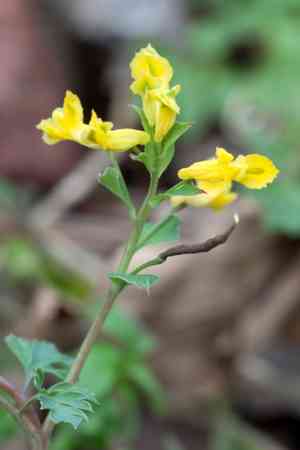
Yellow fumewort (Corydalis flavula)
Also known as: Pale corydalis
The yellow fumewort is a perennial flowering plant native to Eastern Asia, particularly thriving in shaded, moist environments like forested areas and rocky outcrops. Its survival is jeopardized by habitat destruction due to urban expansion and agricultural activities. Additionally, its high alkaloid content may render it toxic.
In This Article
Attributes of Yellow fumewort
Lifespan
Annual
Plant Type
Herb
Plant Height
15 cm to 30 cm
Spread
30 cm to 33 cm
Leaf Color
Green
Flower Size
8 mm to 1.3 cm
Flower Color
Yellow
Images of Yellow fumewort
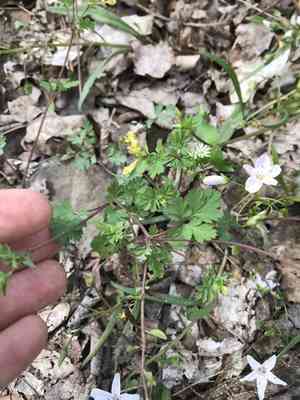
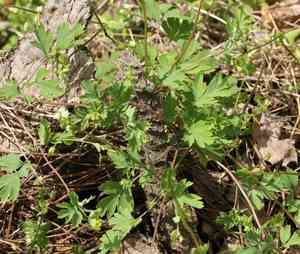
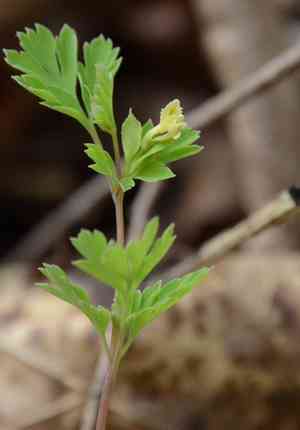
Quickly Identify Yellow fumewort
1
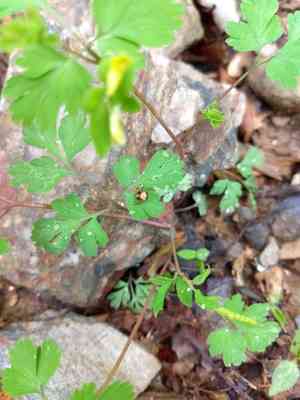
To identify Corydalis flavula, look for its yellow, tubular flowers that grow in small clusters. The plant has finely divided, feathery leaves which are deeply lobed.
Scientific Classification of Yellow fumewort
Phylum
Vascular plants
Class
Dicotyledons
Order
Ranunculales
Family
Poppy
Genus
Fumeworts
Species
Yellow fumewort
Planting and Growing of Yellow fumewort
Care Difficulty
Easy
Watering Schedule
Every 3 days
Sunlight Requirements
Partial sun
Sunshine Duration
6-8 hours
Ideal Temperature
59-68℉
Soil Type
Potting Mix, Peat Mix
Soil pH
6.5-7.5
Fertilizer Type
Balanced
Pruning Season
Spring, Summer
Pruning Area
Branches, Leaves
Pruning Frequency
2 times a year
Repotting Season
Spring
Pot Type
Plastic, Ceramic
 How to Water Yellow fumewort?
Corydalis flavula prefers its soil to be kept moderately moist. The amount of 200 ml per watering is ideal, saturating the soil adequately without causing waterlogged conditions. It's important to ensure water reaches the roots but avoids stagnant puddles, which can lead to root rot.
What are the symptoms of an underwatered Yellow fumewort?
›
What should I do if my Yellow fumewort is not getting enough water?
›
What are the symptoms of an overwatered Yellow fumewort?
›
How to save an overwatered Yellow fumewort?
›
 What Are the Sunlight Requirements for Yellow fumewort?
The ideal light range for Corydalis flavula consists of partial sun to full shade. Adequate light allows for healthy growth and maximizes flowering potential, ensuring a lush appearance.
More About Sunlight Requirements Techniques→
What is the best light exposure for Corydalis flavula?
›
How to achieve ideal lighting conditions?
›
What benefits does ideal lighting provide?
›
 What Is the Ideal Temperature Range for Yellow fumewort?
The ideal temperature range for Corydalis flavula is between 59°F and 68°F. This range provides optimal growth conditions by balancing both the photosynthetic processes and water absorption, ensuring the plant thrives. Cooler temperatures within this range can prevent rapid water loss while still allowing the plant to photosynthesize effectively. Maintaining a stable environment within this range minimizes stress and supports robust plant development.
 What Soil is Best for Yellow fumewort?
Corydalis flavula thrives in well-aerated soil that allows roots to breathe. This type of soil prevents waterlogging and root rot, providing ideal conditions for healthy growth. Rich, nutrient-laden soil supports robust growth and vibrant blooms in Corydalis flavula. It ensures a steady supply of essential nutrients, fostering lush foliage and vigorous stem development. Soil that retains moderate moisture without becoming soggy is crucial for Corydalis flavula. This balance ensures the plant remains hydrated while preventing issues related to overwatering.
 How to Fertilize Yellow fumewort?
Corydalis flavula requires a balanced approach to fertilization to thrive. Generally, a diluted liquid fertilizer with a 10-10-10 NPK ratio is sufficient. Use 1/2 teaspoon per gallon of water to avoid over-fertilization. Be cautious of high nitrogen, as it can lead to weak growth.
 How to Prune Yellow fumewort?
Begin by identifying and removing any dead or diseased foliage using clean cuts at the base of the problem area. This will not only improve the plant's appearance but also prevent the spread of any potential pathogens. Trim back any overly long stems to maintain the natural shape of the Corydalis flavula. Cut just above a leaf node to promote fuller growth and maintain an aesthetically pleasing appearance. Pruning can encourage new growth, so after your initial shaping, look for areas where growth seems sparse. A judicious trim here can stimulate budding and increase foliage density in these sections.
More About Pruning Techniques→
 How to Propagate Yellow fumewort plant?
1
Collect seeds from mature Corydalis flavula plants when their pods begin to dry and crack open. It's best to do this on a dry day to ensure seeds aren't damp, which can lead to mold and rotting.
2
Sow the collected seeds in seed trays filled with potting mix. Gently press the seeds into the soil and cover them lightly with a thin layer of sand or potting mix to ensure good contact with the soil surface.
3
Water the seed trays gently but thoroughly after sowing to initiate germination. Maintain consistent moisture levels without overwatering, as excessive water can cause seeds to rot.
 How to Repot Yellow fumewort plant?
1
Corydalis flavula shows it needs repotting when you see roots poking out the drain holes, or if it's been a couple of years since the last repot. Another clue is if the plant seems stunted, not responding well to watering or fertilization. These are the signs telling you it could benefit greatly from a change of scenery down into fresh soil!
2
Select a pot that is just one size bigger than the current one. The ideal pot should have good drainage holes to help prevent waterlogging. A slightly larger pot allows the roots more room to grow but doesn't overwhelm the plant, ensuring it doesn't have excessive unused soil which can lead to rot.
3
Opt for a well-draining loamy soil. This type of soil retains enough moisture for the plant's needs while allowing excess water to escape, preventing root rot. Such a mix supports the delicate root system of Corydalis flavula and provides essential nutrients for healthy growth.
Toxicity
Ingestion
WARNING
The judgment on toxicity and danger is for reference only. We DO NOT GUARANTEE any accuracy of such judgment. Therefore, you SHALL NOT rely on such judgment. It is IMPORTANT TO SEEK PROFESSIONAL ADVICE in advance when necessary.
Learn More About Yellow fumewort Diseases
Anthracnose
Bacterial Leaf Spot
Bacterial Soft Rot
Bacterial Wilt
Black Spot
Chemical Injury
Crown Gall
Cyst Nematode
Damping-off
Downy Mildew
Drought Stress
Fusarium Wilt
Gray Mold
Leaf Curl
Leaf Spot
Mosaic
Nutrient Deficiency
Nutrient Toxicity
Powdery Mildew
Root Rot
Root-knot Nematode
Rusts
Sooty Mold
Spider Mites
Temperature Stress
Thrips Damage
White Mold



