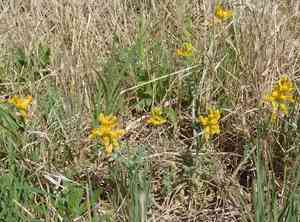
Curvepod fumewort (Corydalis curvisiliqua)
Also known as: Curved-pod Corydalis
Curvepod fumewort (Corydalis curvisiliqua) is distinguished by its distinctive curved seedpods and feathery, blue-green leaves. This plant thrives in cool, moist environments, typically found in shaded woodlands and forest edges. Its tubular flowers, which vary from pale pink to deep lavender, attract pollinators and add a splash of color to the dappled forest floor. This graceful plant usually makes its appearance in early spring, signaling the start of the season's renewal.
In This Article
Attributes of Curvepod fumewort
Lifespan
Perennial
Plant Type
Herb
Plant Height
0 mm to 30 cm
Spread
10-15 cm
Leaf Color
Green
Flower Size
1-2 cm
Flower Color
Yellow
Images of Curvepod fumewort
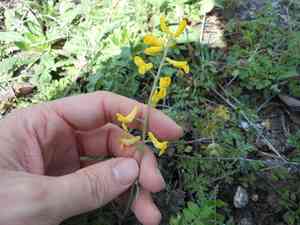
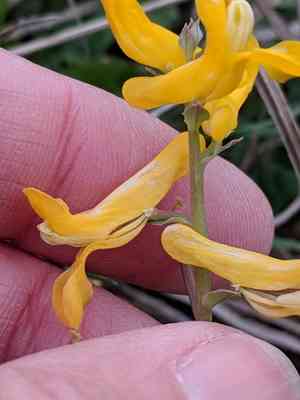
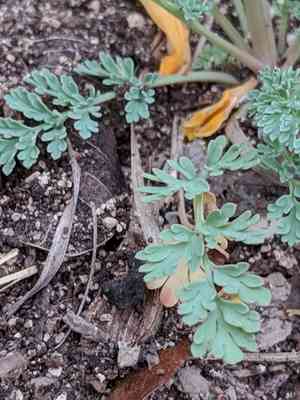
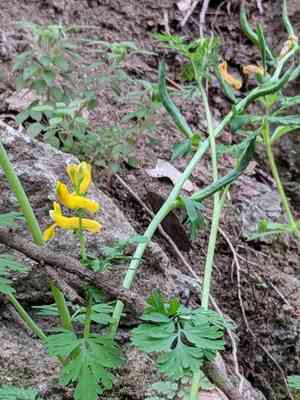
Quickly Identify Curvepod fumewort
1
Identifying Corydalis curvisiliqua involves looking for its unique curved seed pods, small tubular yellow flowers, and finely divided, fern-like leaves.
Scientific Classification of Curvepod fumewort
Phylum
Vascular plants
Class
Dicotyledons
Order
Ranunculales
Family
Poppy
Genus
Fumeworts
Species
Curvepod fumewort
Planting and Growing of Curvepod fumewort
Care Difficulty
Moderate
Watering Schedule
Every 2 days
Sunlight Requirements
Partial sun
Sunshine Duration
4-8 hours
Ideal Temperature
60-75℉
Soil Type
Potting Mix, Peat Mix
Soil pH
6.5-7.5
Fertilizer Type
Balanced
Pruning Season
Spring, Summer
Pruning Area
Branches, Leaves
Pruning Frequency
2 times a year
Repotting Season
Spring
Pot Type
Ceramic, Plastic
 How to Water Curvepod fumewort?
When watering Corydalis curvisiliqua, it is essential to ensure that the soil is moist but not soggy. Approximately 200 ml of water is recommended each time, which allows the water to reach the entire root system without oversaturating the soil. Always check that excess water can drain properly to prevent root rot.
What are the symptoms of an underwatered Curvepod fumewort?
›
What should I do if my Curvepod fumewort is not getting enough water?
›
What are the symptoms of an overwatered Curvepod fumewort?
›
How to save an overwatered Curvepod fumewort?
›
 What Are the Sunlight Requirements for Curvepod fumewort?
Corydalis curvisiliqua thrives best with partial sun or full shade conditions, minimizing stress and fostering a healthy growth environment.
What is the best location for Corydalis curvisiliqua?
›
How can I maximize indirect sunlight for this plant?
›
What benefits does the ideal light condition provide?
›
 What Is the Ideal Temperature Range for Curvepod fumewort?
The ideal temperature range for Corydalis curvisiliqua is between 60°F and 75°F. This range allows the plant to thrive, promoting both growth and vibrant blooming. Maintaining this temperature ensures optimal photosynthesis and nutrient uptake, leading to a healthier plant.
 What Soil is Best for Curvepod fumewort?
Corydalis curvisiliqua thrives in well-drained soil that prevents waterlogging. This is crucial for keeping its roots healthy and free from rot, ensuring robust growth and blooming. This plant benefits from soil with ample nutrients, which supports its vibrant foliage and extended flowering period. The nutrients enhance its vigor and resilience against pests. Maintaining a balance where the soil can retain enough moisture without becoming soggy is key. This helps the plant absorb water efficiently, encouraging consistent growth.
 How to Fertilize Curvepod fumewort?
For Corydalis curvisiliqua, use half the recommended dose on the fertilizer package. This plant is sensitive and thrives with occasional feeds rather than constant heavy doses. A diluted solution of liquid fertilizer is ideal for regular feeds.
 How to Prune Curvepod fumewort?
Begin by removing any dead or damaged stems to prevent disease spread. Follow by trimming back around one-third of the plant's height, focusing on overgrown branches. Cut just above a node to encourage new growth. Shape the plant as desired while maintaining its natural form. After you finish pruning, water the plant adequately to help it recover. Mulch around the base to preserve moisture and protect roots. Regularly check for signs of stress or disease, adjusting care as needed to ensure vibrant regrowth.
More About Pruning Techniques→
 How to Propagate Curvepod fumewort plant?
1
Collect seeds from mature Corydalis curvisiliqua plants in late spring. Ensure the seeds are fully ripe and dry before storage. This step is vital to ensure high germination rates and avoid fungal growth.
2
Take cuttings from healthy growth, ideally during early spring, when the plant is actively growing. Each cutting should be 4-6 inches long, with at least two nodes, to ensure successful propagation.
3
Divide mature Corydalis curvisiliqua clumps in early spring. Use a sharp spade to separate the tubers, ensuring each section has roots and shoots. This method rejuvenates older plants and encourages vigorous growth.
 How to Repot Curvepod fumewort plant?
1
The ideal time to repot Corydalis curvisiliqua is when you notice it becoming root-bound or when growth slows significantly. Spring and autumn are the best seasons to perform this task, as the plant is not under the stress of summer heat or winter cold.
2
Select a pot that is slightly larger than the current one, ideally 1-2 inches in diameter wider. A pot with drainage holes is crucial to prevent waterlogging and subsequent root rot. Opting for an unglazed clay pot can further enhance soil aeration, benefiting root health.
3
For repotting, use a well-draining, sandy loam soil. This blend ensures good drainage while retaining enough moisture. The sandy component helps prevent soil compaction, promoting healthier root growth and reducing the risk of overwatering.
Learn More About Curvepod fumewort Diseases
Anthracnose
Bacterial Leaf Spot
Bacterial Soft Rot
Bacterial Wilt
Black Spot
Chemical Injury
Crown Gall
Cyst Nematode
Damping-off
Downy Mildew
Drought Stress
Fusarium Wilt
Gray Mold
Leaf Curl
Leaf Spot
Mosaic
Nutrient Deficiency
Nutrient Toxicity
Powdery Mildew
Root Rot
Root-knot Nematode
Rusts
Sooty Mold
Spider Mites
Temperature Stress
Thrips Damage
White Mold


