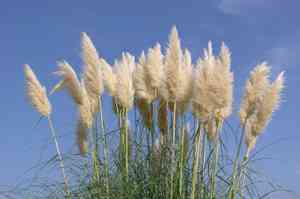
Pampas grass (Cortaderia selloana)
Also known as: Silver pampas grass
Giant reed, also known as Arundo donax, is a tall grass that forms dense clumps. It can grow up to 3 meters in height and features long, slender leaves ranging from 1 to 2 meters in length. This fast-growing plant has the potential to become invasive in suitable conditions.
In This Article
Attributes of Pampas grass
Lifespan
Perennial, Annual
Plant Type
Grass
Plant Height
2 m to 3 m
Spread
90 cm to 1.2 m
Leaf Color
Green Blue Yellow Gray Variegated
Flower Size
30 cm
Flower Color
White Silver Pink Cream Yellow Purple
Images of Pampas grass
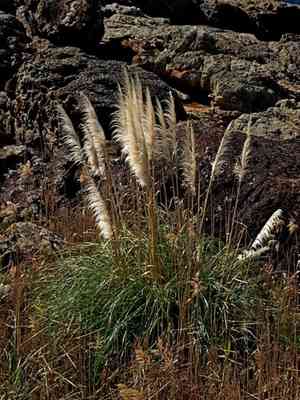
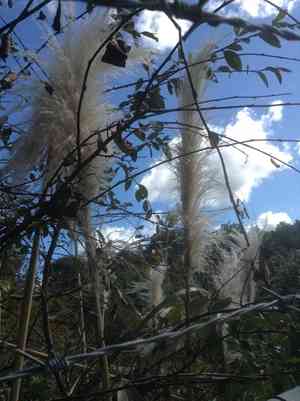
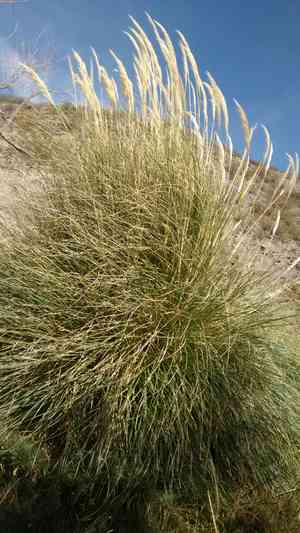
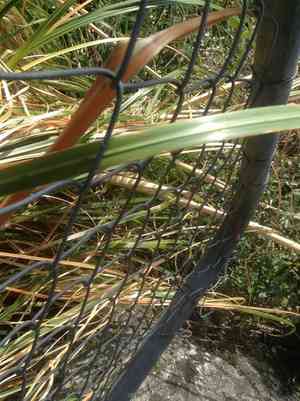
Quickly Identify Pampas grass
1
Elongated whip-like leaves with sharp edges reaching 6.5 feet (2 meters) in length.
2
Silver-white feathered plumes forming tall flower spikes 1 to 2 feet (30-60 cm) above foliage.
3
Distinctive inflorescence resembling cluster of silvery-white feathers, unlike Miscanthus.
4
Female plants produce more ornate plumes than male plants, ideal for dried arrangements.
5
Leaf midrib not white, aiding in differentiation from Miscanthus species.
Scientific Classification of Pampas grass
Phylum
Vascular plants
Class
Monocotyledons
Order
Grasses, sedges and allies
Family
Grass
Genus
Pampas grasses
Species
Pampas grass
Planting and Growing of Pampas grass
Care Difficulty
Easy
Watering Schedule
Every 2 days
Sunlight Requirements
Full sun
Sunshine Duration
6-10 hours
Ideal Temperature
50-77℉
Soil Type
Potting Mix, Peat Mix
Soil pH
6.5-7.5
Fertilizer Type
Balanced
Pruning Season
Spring, Summer
Pruning Area
Branches, Leaves
Pruning Frequency
2 times a year
Repotting Season
Spring
Pot Type
Terracotta, Plastic
 How to Water Pampas grass?
Cortaderia selloana, commonly known as pampas grass, thrives with a watering amount of 500ml per session. It's crucial to ensure that the water penetrates deeply into the soil, reaching the roots without oversaturating the area, maintaining a balance between moisture and dryness.
What are the symptoms of an underwatered Pampas grass?
›
What should I do if my Pampas grass is not getting enough water?
›
What are the symptoms of an overwatered Pampas grass?
›
How to save an overwatered Pampas grass?
›
 What Are the Sunlight Requirements for Pampas grass?
Cortaderia selloana flourishes in full sun, making it ideal for areas that provide continuous direct sunlight throughout the day. This exposure encourages lush growth and ample flowering.
More About Sunlight Requirements Techniques→
What is the ideal lighting condition for Cortaderia selloana?
›
How can one ensure Cortaderia selloana receives ideal lighting?
›
What benefits does ideal lighting provide to Cortaderia selloana?
›
 What Is the Ideal Temperature Range for Pampas grass?
Cortaderia selloana, commonly known as pampas grass, thrives best in temperatures ranging from 50°F to 77°F. This range allows the plant to maintain optimal metabolic processes, promoting healthy growth and vibrant foliage. Ensuring that the ambient temperature remains within this ideal range can prevent stress and lead to flourishing development.
 What Soil is Best for Pampas grass?
Cortaderia selloana thrives in well-drained soil, which prevents waterlogging and root rot, crucial for its healthy growth. A well-drained environment ensures the plant's roots access necessary oxygen, enhancing its vitality and lush foliage. This plant benefits from a nutrient-rich soil blend that supports its rapid growth. Regular addition of organic matter or compost can boost soil nutrients, promoting robust flowering and overall plant health. Heavy clay soils can retain too much moisture, leading to root suffocation. Cortaderia selloana needs a well-aerated base to foster healthy roots, making loamy or sandy soil ideal for avoiding these issues.
More About Soil→
 How to Fertilize Pampas grass?
Cortaderia selloana, commonly known as Pampas Grass, requires careful fertilization. When using liquid fertilizers, apply at half the concentration recommended for general-purpose use to avoid nutrient burn. For slow-release fertilizers, a balanced amount of 2-3 pounds per 100 square feet is usually adequate.
More About Fertilizing Techniques→
 How to Prune Pampas grass?
Begin by removing old flower stalks at the base to prevent seed spread and encourage a tidy appearance. Next, trim back dead or damaged leaves. Cut back the foliage mass to about 12 to 18 inches from the ground. This helps in rejuvenating the plant and allows new foliage to thrive. Always cut at an angle to ward off moisture build-up and subsequent disease. Clear debris from around the base to prevent pests. Consider mulching around the plant to keep the roots insulated during colder months and retain moisture during warmer periods. Adequate aftercare can mitigate shock and enhance recovery, resulting in a flourishing plant come spring.
 How to Propagate Pampas grass plant?
1
For seed propagation, begin by collecting seeds from the flower heads in late autumn. Clean and dry the seeds thoroughly to remove any debris. Store them in a cool, dry place until early spring when they can be sown in seed trays using a quality seed starting mix.
2
For division propagation, dig out established clumps in early spring. Use a sharp knife or spade to divide the root mass into sections, each with a healthy set of roots and shoots. Take care not to damage the delicate roots during this process.
3
Whether seeds or divided sections, ensure they are placed in a location with sufficient sunlight and humidity. Maintain consistent moisture but avoid waterlogging the soil as it can negatively impact root development for both seedlings and divided plants.
 How to Repot Pampas grass plant?
1
Cortaderia selloana should be repotted when you notice that its roots are growing out of the drainage holes or the plant looks overcrowded. Another key signal is when growth seems stunted despite proper care, indicating that it may be root bound or lacking nutrients from depleted soil.
2
Choose a pot that is one size larger than the current one, with adequate drainage holes at the bottom. A slightly larger pot ensures that the plant has enough space to grow without being overwhelmed by too much soil, which helps in preventing root rot.
3
Select a well-drained loamy soil mix that allows good air circulation around the roots. This type of soil prevents waterlogging, which is crucial for Cortaderia selloana as it detests having soggy roots, ensuring healthier growth and less likelihood of root rot.



