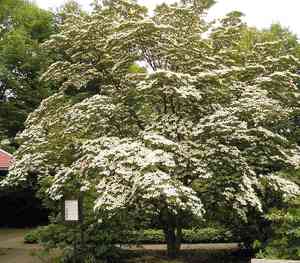
Dogwoods (Cornus) (Cornus)
Also known as: Dogwood, Cornelian cherry
Flowering dogwoods are commonly depicted in 19th-century paintings due to their appealing and vibrant blossoms, which often come in shades of red, pink, and white, and their broad, graceful leaves. Although native to North America, a Christian legend surrounds these trees, suggesting that the wood from a dogwood tree was used to construct the cross for Jesus Christ's crucifixion. As a result, it is believed that God altered the tree, making it smaller and twisted so it could never be used for such a purpose again.
In This Article
Attributes of Dogwoods (Cornus)
Lifespan
Perennial
Plant Height
3 m
Spread
3 m
Leaf Color
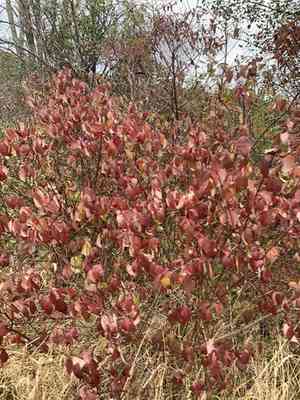
Green in spring and summer, turning red or purple in the fall
Flower Size
4-10 centimeters (1.5-4 inches)
Flower Color
White Red Pink
Images of Dogwoods (Cornus)
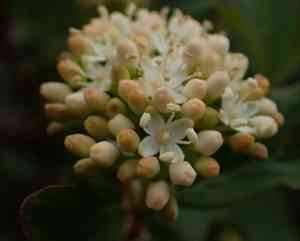
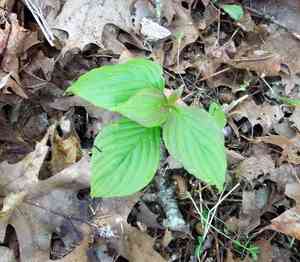
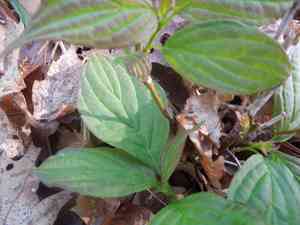
Quickly Identify Dogwoods (Cornus)
1
Dogwood trees can be identified by their distinctive \'dogwood\' leaves, which are typically oval with smooth edges, and their unique \'cross-shaped\' flower heads.
Scientific Classification of Dogwoods (Cornus)
Phylum
Magnoliophyta
Class
Magnoliopsida
Order
Cornales
Family
Cornaceae
Genus
Cornus
Planting and Growing of Dogwoods (Cornus)
Care Difficulty
Moderate
Watering Schedule
Every 2 days
Sunlight Requirements
Partial sun
Sunshine Duration
6-10 hours
Ideal Temperature
55-75℉
Soil Type
Potting Mix, Peat Mix
Soil pH
5.5-7.5
Fertilizer Type
Balanced
Pruning Season
Spring, Summer
Pruning Area
Branches, Leaves
Pruning Frequency
2 times a year
Repotting Season
Spring
Pot Type
Plastic, Ceramic
 How to Water Dogwoods (Cornus)?
Cornus plants, commonly known as dogwoods, require about 500ml of water each time. The key is to keep the soil moist but not waterlogged. Water until the soil is evenly moist throughout but ensure good drainage to avoid standing water.
What are the symptoms of an underwatered Dogwoods (Cornus)?
›
What should I do if my Dogwoods (Cornus) is not getting enough water?
›
What are the symptoms of an overwatered Dogwoods (Cornus)?
›
How to save an overwatered Dogwoods (Cornus)?
›
 What Are the Sunlight Requirements for Dogwoods (Cornus)?
Cornus benefits from partial sun conditions, ideal for filling in garden spaces where shade is prevalent. Proper light promotes healthy growth and prolific flowering, enhancing garden beauty.
How much sunlight is ideal for Cornus?
›
What solutions ensure ideal lighting for Cornus?
›
What are the benefits of ideal lighting on Cornus?
›
 What Is the Ideal Temperature Range for Dogwoods (Cornus)?
The ideal temperature range for growing Cornus species falls between 55°F to 75°F (13°C to 24°C). Within this range, the plant experiences optimal conditions for photosynthesis, nutrient uptake, and overall growth. The temperature range allows Cornus to maintain healthy cellular function and efficient transpiration, facilitating its health and vitality.
 What Soil is Best for Dogwoods (Cornus)?
Cornus thrives in soils that can retain moisture effectively without becoming waterlogged. Adequate moisture helps support the plant's growth and flowering potential, ensuring lush, healthy foliage and abundant blooms. Soils rich in organic matter provide the necessary nutrients for Cornus plants to flourish. Well-fed plants show better resistance to diseases and deliver vibrant, eye-catching displays. A well-draining soil is crucial as it prevents the roots from sitting in water, thus reducing the risk of root rot. This property ensures your Cornus remains healthy and capable of reaching its full growth potential.
 How to Fertilize Dogwoods (Cornus)?
Cornus plants are moderate feeders and do well with measured fertilization. Use a balanced liquid fertilizer at half strength, approximately 10-15 ml per liter of water. For slow-release fertilizers, sprinkle evenly around the base of the plant, using about 30-50 grams per square meter depending on the size and age of the plant.
 How to Prune Dogwoods (Cornus)?
Start by gathering sharp, sterilized pruning shears to make clean cuts. Wear gloves to protect your hands, and ensure a waste bag is ready for the removed branches. Identifying where to cut is crucial; seek out dead, damaged, or crossing branches. Focus on removing older, thicker stems first to promote young, vigorous growth. Cut these stems back to the base of the plant, allowing for more light and air to reach the center of the shrub. This boosts overall plant health. Shape the plant by trimming the outer branches. Follow the natural form of Cornus to enhance its appearance and structure. Maintain a balance between thinning and shaping to support both health and aesthetics.
 How to Propagate Dogwoods (Cornus) plant?
1
Select healthy and disease-free branches. Cut 5-6 inch lengths, removing leaves from the lower half. Cutting during early morning retains more moisture, increasing the likelihood of rooting.
2
Choose high-quality seeds, treat them with a mild fungicide, and plant in seed trays filled with well-draining soil. Maintain consistent moisture without waterlogging as seeds may rot if excessively wet.
3
Select a flexible branch and gently bend it towards the ground. Make a small cut or notch on the underside of the branch and bury it shallowly in soil. Secure it with a stone or pin and keep the area moist.
 How to Repot Dogwoods (Cornus) plant?
1
Observe your Cornus for signs such as roots growing out of drainage holes or the plant becoming root-bound, which indicates that it's time for repotting. These signs often appear during active growing seasons, ensuring the plant can recover smoothly from the process.
2
Choose a pot that is 1-2 inches larger in diameter than the current one to give Cornus room for healthy growth. Ensure it has adequate drainage holes to prevent waterlogging, which can lead to root rot. A pot that breathes well enhances root aeration and overall plant health.
3
Opt for a well-draining potting mix that retains sufficient moisture without becoming waterlogged. A mix with perlite or sand can help achieve this, providing a balance of moisture retention and drainage, promoting robust root development and plant vitality.

