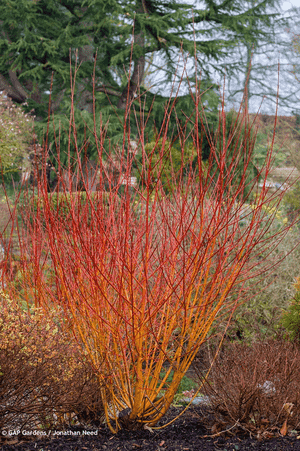
Cornus sanguinea (Cornus sanguinea)
Also known as: Common Dogwood, Bloody Dogwood
The Cornus sanguinea, often referred to as the common dogwood or bloody dogwood, is a particular variety of dogwood that primarily grows across Europe and in western Asia. It is common from regions of England and central Scotland all the way to the Caspian Sea. This plant is popularly cultivated due to its ornamental appeal.
In This Article
Attributes of Cornus sanguinea
Lifespan
Perennial
Plant Height
3-5m
Spread
2-4m
Leaf Color
Green
Flower Size
0.3-0.4 inches
Flower Color
White
Images of Cornus sanguinea

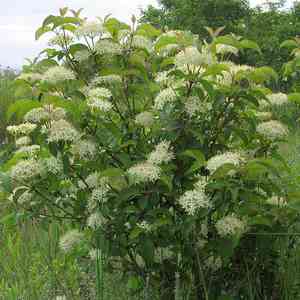


Quickly Identify Cornus sanguinea
1
Common Dogwood is easily identified by its red stems in late autumn, winter and early spring, and also by its dense clusters of white flowers in early summer.
Scientific Classification of Cornus sanguinea
Phylum
Tracheophyta
Class
Magnoliopsida
Order
Cornales
Family
Cornaceae
Genus
Cornus
Species
C. sanguinea
Planting and Growing of Cornus sanguinea
Care Difficulty
Moderate
Watering Schedule
Every 4 days
Sunlight Requirements
Full sun
Sunshine Duration
6-10 hours
Ideal Temperature
59-77℉
Soil Type
Potting Mix, Peat Mix
Soil pH
6.5-7.5
Fertilizer Type
Balanced
Pruning Season
Spring, Summer
Pruning Area
Branches, Leaves
Pruning Frequency
2 times a year
Repotting Season
Spring
Pot Type
Plastic, Ceramic
 How to Water Cornus sanguinea?
Cornus sanguinea, known for its hardy nature, requires about 500 milliliters of water per session. This ensures the soil remains evenly moist but not waterlogged. Always aim to saturate the soil to a depth of about 5-10 centimeters to ensure the roots receive adequate moisture.
More About Watering Techniques→
What are the symptoms of an underwatered Cornus sanguinea?
›
What should I do if my Cornus sanguinea is not getting enough water?
›
What are the symptoms of an overwatered Cornus sanguinea?
›
How to save an overwatered Cornus sanguinea?
›
 What Are the Sunlight Requirements for Cornus sanguinea?
Cornus sanguinea prefers full to partial sun, ideally 4 to 6 hours of exposure each day. This range facilitates vibrant foliage and robust flowering while supporting overall plant health and immunity.
More About Sunlight Requirements Techniques→
What is the ideal sunlight condition for Cornus sanguinea?
›
How can I ensure optimal sunlight for Cornus sanguinea?
›
What benefits does Cornus sanguinea gain from ideal lighting?
›
 What Is the Ideal Temperature Range for Cornus sanguinea?
Cornus sanguinea thrives best when temperatures are maintained within the range of 59°F to 77°F. This range allows for optimal physiological processes, such as photosynthesis and nutrient uptake, without placing undue stress on the plant.
 What Soil is Best for Cornus sanguinea?
Cornus sanguinea thrives best in well-drained soil, allowing excess water to move away from the root zone, reducing the risk of root rot and other water-related issues. This type of soil promotes healthy root development and provides essential oxygenation for the plant. A fertile substrate rich in organic matter supports the robust growth of Cornus sanguinea by offering vital nutrients and maintaining moisture levels. This enriches the plant's foliage and encourages vibrant seasonal color displays. While good drainage is crucial, retaining enough moisture is equally important for Cornus sanguinea. The soil must hold adequate water to keep the plant hydrated between rainfalls, especially in drier climates. This balance ensures the plant remains lush and vigorous.
More About Soil→
 How to Fertilize Cornus sanguinea?
When fertilizing Cornus sanguinea, use a balanced fertilizer that is high in phosphorus and potassium. Apply about 100 grams per square meter for granular fertilizers. For liquid fertilizers, follow the manufacturer's instructions, usually around a diluted 1-2% solution.
More About Fertilizing Techniques→
 How to Prune Cornus sanguinea?
When pruning Cornus sanguinea, focus on removing dead, damaged, or old wood. This encourages the growth of new stems that showcase the plant’s vibrant red color. Use clean, sharp pruning shears and make your cuts at an angle just above a bud or branch joint for optimal results. Maintaining the aesthetic appeal of Cornus sanguinea involves selectively pruning branches to create a balanced appearance. Consider the overall shape you want—more vase-like or more spreading—and remove branches accordingly. Pay attention to crossing or rubbing branches that can cause damage, and remove them to prevent future issues.
More About Pruning Techniques→
 How to Propagate Cornus sanguinea plant?
1
Collect and clean the seeds from ripe fruits, and stratify by chilling them in a moist environment for several months before planting, to break dormancy and improve germination rates.
2
In early summer, choose a non-flowering shoot and use pruning shears to cut a 10-15 cm section just below a node for optimal rooting success.
3
Plant the prepared seeds or cuttings in a well-draining medium, maintain moisture without waterlogging, and place in indirect light to simulate natural conditions.
 How to Repot Cornus sanguinea plant?
1
Cornus sanguinea needs repotting when you notice roots growing out of the drainage holes or becoming root-bound. Early spring, before new growth begins, is the perfect time to give your plant the fresh start it needs. It ensures minimal stress and allows the plant to take full advantage of the growing season.
2
Select a pot that is one size larger than the current one, and ensure it has adequate drainage holes. This promotes healthy drainage, preventing root rot and ensuring the roots have enough space to expand. A heavy pot is preferred to stabilize the plant as it grows.
3
Opt for a well-draining garden soil with a pH of 5.5-7. This provides excellent nutrient availability and helps prevent waterlogging, ensuring your Cornus sanguinea thrives. Incorporating organic matter can enhance soil quality and support robust growth.
Toxicity
None
WARNING
The judgment on toxicity and danger is for reference only. We DO NOT GUARANTEE any accuracy of such judgment. Therefore, you SHALL NOT rely on such judgment. It is IMPORTANT TO SEEK PROFESSIONAL ADVICE in advance when necessary.



