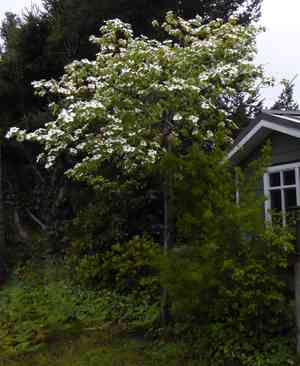
Pacific dogwood (Cornus nuttallii)
Also known as: Mountain dogwood, Pacific flowering dogwood
The Osage orange (Maclura pomifera) was utilized by Native Americans for extracting brown dye and for basket weaving. The wood of this tree is exceptionally strong and durable, making it ideal for crafting bows, arrows, piano keys, and mallet heads. This tree can reach heights of up to 20 meters.
In This Article
Attributes of Pacific dogwood
Lifespan
Perennial
Plant Type
Tree
Plant Height
10 m to 25 m
Spread
7 m
Leaf Color
Green Red Purple
Flower Size
3 mm to 4 mm
Flower Color
White
Images of Pacific dogwood
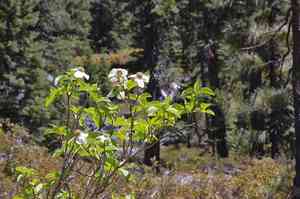
Quickly Identify Pacific dogwood
1
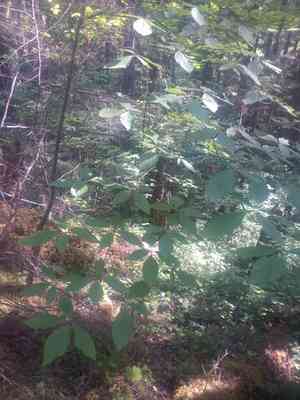
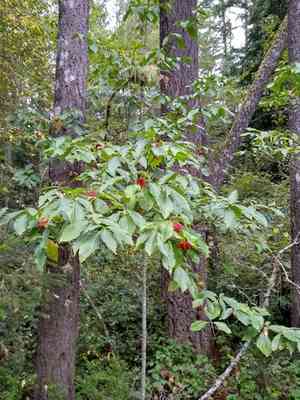
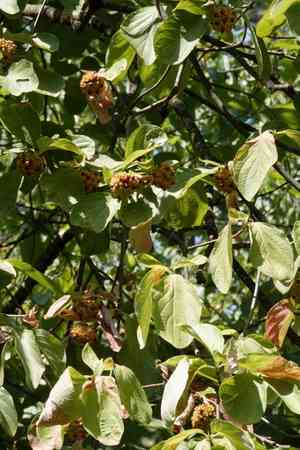
Identify Cornus nuttallii by its large, white, petal-like bracts which are actually modified leaves surrounding the small, inconspicuous flowers. The leaves are green, oval, and have a pointed tip, with a pronounced veination. In the fall, the leaves often turn red or purple.
Scientific Classification of Pacific dogwood
Phylum
Vascular plants
Class
Dicotyledons
Order
Cornales
Family
Dogwood
Genus
Dogwoods
Species
Pacific dogwood
Planting and Growing of Pacific dogwood
Care Difficulty
Hard
Watering Schedule
Every 4 days
Sunlight Requirements
Partial sun
Sunshine Duration
8-12 hours
Ideal Temperature
60-75℉
Soil Type
Potting Mix, Peat Mix
Soil pH
6.5-7.5
Fertilizer Type
Balanced
Pruning Season
Spring, Summer
Pruning Area
Branches, Leaves
Pruning Frequency
2 times a year
Repotting Season
Spring
Pot Type
Plastic, Ceramic
 How to Water Pacific dogwood?
Cornus nuttallii, known for its striking flowers, requires a balanced watering regime. Aim to supply around 500 ml of water during each session, which is enough to keep the soil consistently moist without being waterlogged. Ensure the water penetrates deeply into the soil to nourish the plant's root system, mimicking the plant's natural woodland habitat.
What are the symptoms of an underwatered Pacific dogwood?
›
What should I do if my Pacific dogwood is not getting enough water?
›
What are the symptoms of an overwatered Pacific dogwood?
›
How to save an overwatered Pacific dogwood?
›
 What Are the Sunlight Requirements for Pacific dogwood?
Partial sun to full sun environments are ideal for Cornus nuttallii. Optimal light fosters abundant flowering and vigorous growth, maintaining the plant's health and bloom quality.
More About Sunlight Requirements Techniques→
What is the ideal amount of sunlight for Cornus nuttallii?
›
How can you achieve optimal light conditions for Cornus nuttallii?
›
What benefits does ideal lighting offer to Cornus nuttallii?
›
 What Is the Ideal Temperature Range for Pacific dogwood?
Cornus nuttallii thrives best when grown in temperatures ranging from 60°F to 75°F. Maintaining this range ensures the plant's metabolic processes function efficiently, fostering healthy leaf and blossom development.
 What Soil is Best for Pacific dogwood?
Cornus nuttallii thrives in soil with good drainage. Ensures roots don't stand in water, preventing root rot and promoting healthy growth. A fertile soil with organic matter is ideal. It provides essential nutrients, supporting lush foliage and robust flowering. While well-draining, the soil should also retain moisture to keep roots hydrated during dry spells, aiding in sustained growth.
 How to Fertilize Pacific dogwood?
When fertilizing Cornus nuttallii, it is crucial to measure correctly. Use about one tablespoon of balanced, water-soluble fertilizer per gallon of water. For slow-release fertilizers, apply one cup per mature tree spread evenly across the soil.
 How to Prune Pacific dogwood?
Begin by assessing the tree's natural shape. Look for any branches crossing over each other, dead branches, or areas that look too dense. Identifying these problem areas will guide your pruning process. When making a cut, ensure it's angled just above a node. Proper cuts encourage new growth and help the tree maintain its natural shape. Avoid cutting too close to the node, as it can damage new shoots. Start by removing any branches that appear dead or diseased. This not only helps improve the overall health of the tree but also allows more air and sunlight to reach the healthy branches. If certain parts of the tree appear overly dense, selectively remove a few branches. This thinning technique allows better air circulation and light penetration, promoting healthier growth and more blossoms.
More About Pruning Techniques→
 How to Propagate Pacific dogwood plant?
1
Seeds of Cornus nuttallii require stratification to break dormancy. Place seeds in a moist peat and sand mix, and store them in a refrigerator for 60-90 days before planting.
2
In spring, take semi-hardwood cuttings from healthy, disease-free plants. Cut a segment about 6-8 inches long, ensuring it has at least 3-4 nodes.
3
Dip the cut end of the cutting in rooting hormone before planting it in a well-draining potting mix. Keep the soil moist and cover it with a plastic bag to maintain humidity.
 How to Repot Pacific dogwood plant?
1
Cornus nuttallii shows it needs repotting when the roots start circling the pot or growing through the drainage holes. Another indicator might be a slowdown in growth or poor water retention, signaling it's time for a new, more accommodating pot.
2
Select a pot that is slightly larger than the current one, allowing the roots to expand generously. Ensure it has drainage holes to prevent waterlogging, promoting healthy root aeration and growth. This will help the plant establish robust roots vital for nutrient uptake.
3
Choose an acidic, well-draining soil mix, rich in organic matter. This type of soil mimics the natural habitat of Cornus nuttallii, ensuring adequate drainage while retaining sufficient moisture and nutrients to support vibrant growth.



