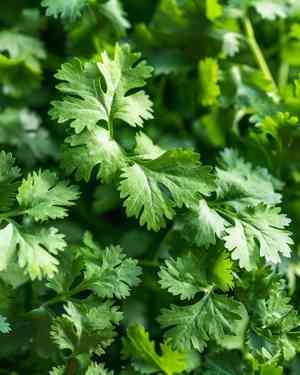
Coriander (Coriandrum sativum)
Also known as: Cilantro
In many countries, coriander is widely recognized and frequently used in cooking. The plant's dried seeds are ground and utilized as a spice, while its fresh leaves and stems can be consumed either cooked or raw. In the United States, these fresh leaves and stems are known as cilantro. They add a bright, citrusy flavor to a variety of dishes, including salsa, guacamole, tacos, soups, and salads.
In This Article
Attributes of Coriander
Lifespan
Annual
Plant Type
Herb
Plant Height
20 cm to 1 m
Spread
23 cm to 30 cm
Leaf Color
Green
Flower Size
1 mm to 1.2 mm
Flower Color
White Purple Pink
Images of Coriander
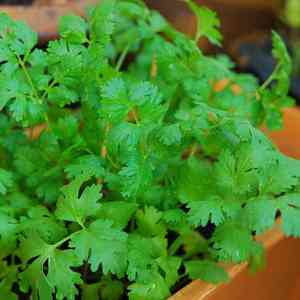
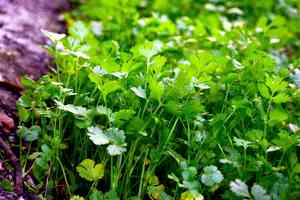
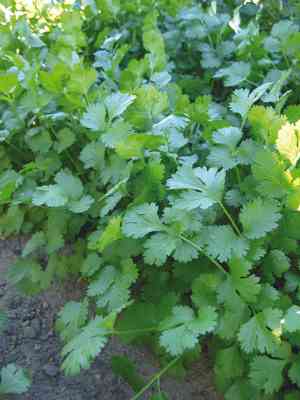
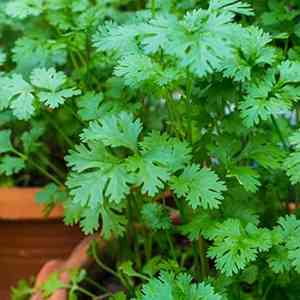
Quickly Identify Coriander
1
Distinctive aroma when leaves are bruised.
2
Umbel flowers are pinkish or white.
3
Round, ridged beige seeds in fruit pods.
4
Upper leaves finely textured, lower ones compound and lobed.
5
Globular schizocarps splitting into two halves.
Scientific Classification of Coriander
Phylum
Vascular plants
Class
Dicotyledons
Order
Carrots, ivies and allies
Family
Umbellifers
Genus
Coriandrum
Species
Coriander
Planting and Growing of Coriander
Care Difficulty
Easy
Watering Schedule
Every 8 days
Sunlight Requirements
Full sun
Sunshine Duration
4-8 hours
Ideal Temperature
65-75℉
Soil Type
Potting Mix, Peat Mix
Soil pH
6.5-7.5
Fertilizer Type
Balanced
Pruning Season
Spring, Summer
Pruning Area
Branches, Leaves
Pruning Frequency
2 times a year
Repotting Season
Spring
Pot Type
Plastic, Ceramic
 How to Water Coriander?
Coriandrum sativum, commonly known as cilantro or coriander, thrives with consistent moisture, ensuring soil is kept evenly damp but never waterlogged. Ideal watering involves saturating the soil until water drains from the bottom of the pot, signaling enough hydration has reached the roots without water pooling.
More About Watering Techniques→
What are the symptoms of an underwatered Coriander?
›
What should I do if my Coriander is not getting enough water?
›
What are the symptoms of an overwatered Coriander?
›
How to save an overwatered Coriander?
›
 What Are the Sunlight Requirements for Coriander?
Coriandrum sativum thrives best in full sun to partial sun conditions, benefiting from six to eight hours of light per day. Ideal lighting encourages lush foliage and robust plant health, critical for its culinary uses.
More About Sunlight Requirements Techniques→
Where to Place Coriandrum sativum?
›
Why is Sunlight Crucial for Coriandrum sativum?
›
How to Adjust Lighting for Coriandrum sativum?
›
 What Is the Ideal Temperature Range for Coriander?
The ideal temperature range for Coriandrum sativum, commonly known as cilantro, is between 65 and 75 degrees Fahrenheit. Within this range, the plant can thrive and produce lush, green foliage that is sought after for culinary uses. Maintaining temperatures within this range minimizes stress on the plant and encourages optimal growth.
 What Soil is Best for Coriander?
Coriandrum sativum thrives in well-drained soil, which prevents waterlogging and root rot. This ensures the plant's roots have access to oxygen, promoting healthy growth and vibrant foliage. A moderately fertile soil supports Coriandrum sativum by providing essential nutrients without overwhelming the plant. This balance is crucial for developing a strong structure and rich flavor in its leaves. Maintaining slightly moist soil conditions helps Coriandrum sativum absorb nutrients effectively. Consistent moisture levels support steady growth and prevent wilting, which is vital for optimal yield.
More About Soil→
 How to Fertilize Coriander?
Coriandrum sativum requires moderate fertilization. Typically, apply about 1 tablespoon of liquid fertilizer per gallon of water. When using slow-release fertilizers, follow the recommended dosage on the package, which is usually around 2-3 teaspoons per plant base.
More About Fertilizing Techniques→
 How to Prune Coriander?
To prune Coriandrum sativum effectively, always use sharp pruning shears to make clean cuts. Sloppy or jagged cuts can damage the plant and leave it susceptible to disease. Clean cuts encourage healthy regrowth and minimize shock to the plant, ensuring your cilantro remains lush and vibrant. When pruning cilantro, aim to cut stems just above a leaf node. This is where new branches and leaves will form, and cutting here encourages the plant to grow outwards rather than upwards. This helps in maintaining a bushy and productive plant, ideal for continual harvest.
More About Pruning Techniques→
 How to Propagate Coriander plant?
1
Begin by filling the seed tray with potting mix, lightly compacting the soil to remove air pockets. Ensure the soil surface is level and moisten it with water until it is damp but not soggy. This creates an ideal environment for seed germination.
2
Scatter the coriander seeds evenly over the soil surface, ensuring they are spaced out to prevent overcrowding. Lightly cover the seeds with a thin layer of potting mix, approximately 5mm deep, which protects seeds and helps retain moisture.
3
After sowing, gently water the soil to help settle it around the seeds without displacing them. Cover the tray with a clear lid or plastic wrap to maintain humidity and place it in a warm spot with bright, indirect sunlight.
 How to Repot Coriander plant?
1
Repot Coriandrum sativum when you notice the plant looking cramped in its current pot. Signs like roots emerging from the drainage holes, slower growth, or the plant wilting quickly after watering indicate the need for repotting. Spring or early summer is the best time, as it aligns with their active growth period.
2
Select a pot that's one size larger than the current one, providing enough room for root growth without overwhelming the plant. Using containers with drainage holes prevents water accumulation, reducing the risk of root rot and ensuring healthy plant growth.
3
Choose a well-draining potting mix specifically formulated for herbs or standard houseplants. This mix typically contains a balanced blend of peat, perlite, or vermiculite, ensuring optimal root aeration while retaining essential moisture, which is critical for the healthy growth of coriander.
Learn More About Coriander Diseases
Anthracnose
Bacterial Leaf Spot
Bacterial Soft Rot
Damping-off
Downy Mildew
Fusarium Wilt
Gray Mold
Leaf Spot
Mosaic
Nutrient Deficiency
Nutrient Toxicity
Powdery Mildew
Root Rot
Root-knot Nematode
Rusts
Sooty Mold
Spider Mites
Thrips Damage
White Mold
Chemical Injury
Drought Stress
Temperature Stress



