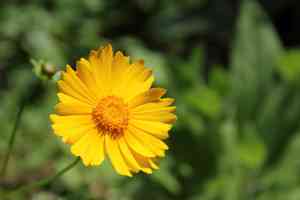
Calliopsis (Coreopsis) (Coreopsis)
Also known as: Tickseed
The official wildflower of Florida, Coreopsis, also known as tickseed, is celebrated for its vibrant and cheerful blooms. It is particularly effective in attracting a variety of butterflies and other pollinators. Designated as Florida's state wildflower, Coreopsis is often used in median plantings across the state. Its diverse range of colors makes it a splendid choice for creating striking landscapes.
In This Article
Attributes of Calliopsis (Coreopsis)
Lifespan
Annual, Perennial
Plant Height
1 m
Spread
80 cm
Leaf Color
Green
Flower Size
2.5 - 5 cm
Flower Color
Yellow, Orange, Bi-colored
Images of Calliopsis (Coreopsis)
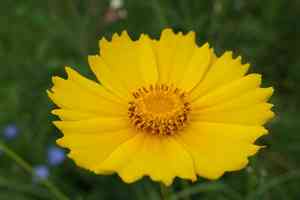
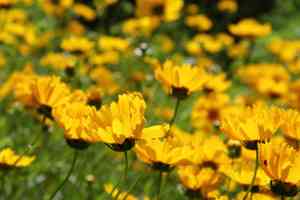
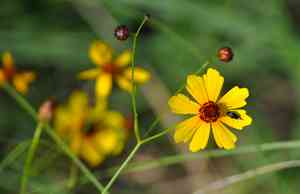
Quickly Identify Calliopsis (Coreopsis)
1
Coreopsis can be identified by its brightly colored, daisy-like flowers, typically yellow, though some species come in other colors. The leaves can vary but are often lobed or pinnate. The plants typically grow in an upright form.
Scientific Classification of Calliopsis (Coreopsis)
Phylum
Magnoliophyta
Class
Magnoliopsida
Order
Asterales
Family
Asteraceae
Genus
Coreopsis
Planting and Growing of Calliopsis (Coreopsis)
Care Difficulty
Easy
Watering Schedule
Every 3 days
Sunlight Requirements
Full sun
Sunshine Duration
6-10 hours
Ideal Temperature
65-75℉
Soil Type
Potting Mix, Peat Mix
Soil pH
6-7.5
Fertilizer Type
Balanced
Pruning Season
Spring, Summer
Pruning Area
Branches, Leaves
Pruning Frequency
2 times a year
Repotting Season
Spring
Pot Type
Ceramic, Plastic
 How to Water Calliopsis (Coreopsis)?
Coreopsis, commonly known as tickseed, requires a watering approach that keeps the soil consistently but not overly moist. When watering, aim for approximately 500 ml per plant, ensuring the soil is saturated but not waterlogged. Water until the excess starts to drain out of the bottom of the pot, indicating that the moisture has reached the root level.
What are the symptoms of an underwatered Calliopsis (Coreopsis)?
›
What should I do if my Calliopsis (Coreopsis) is not getting enough water?
›
What are the symptoms of an overwatered Calliopsis (Coreopsis)?
›
How to save an overwatered Calliopsis (Coreopsis)?
›
 What Are the Sunlight Requirements for Calliopsis (Coreopsis)?
Coreopsis thrives best with full sun exposure, meaning it requires at least 6 to 8 hours daily. This exposure ensures robust growth and maximizes flowering potential, showcasing its full ornamental beauty.
What is the ideal sunlight for Coreopsis?
›
How to achieve ideal sunlight conditions for Coreopsis?
›
What benefits does Coreopsis get from ideal sunlight?
›
 What Is the Ideal Temperature Range for Calliopsis (Coreopsis)?
The ideal temperature range for growing Coreopsis lies between 65°F and 75°F. This temperature range provides optimal conditions for photosynthesis and nutrient uptake, encouraging robust growth and vibrant blooms. Maintaining this temperature range will ensure that the plants are neither stressed by cold nor overheated, thus providing the best environment for flourishing.
 What Soil is Best for Calliopsis (Coreopsis)?
Coreopsis thrives in soil that allows excess water to drain away quickly. Well-draining soils prevent waterlogging, reducing the likelihood of root rot, and promote healthy root development, ensuring vibrant and robust blooms. This plant prefers soils that are not overly rich in nutrients. Excessive nutrients can lead to leggy growth with fewer blooms. By using light soils, you encourage the plant to develop a more compact, floriferous habit. Coreopsis benefits from soils with moderate fertility, which provide adequate nutrients for growth without overwhelming the plant. This balance helps maintain the plant’s vigour while encouraging flowering.
 How to Fertilize Calliopsis (Coreopsis)?
Coreopsis typically requires moderate amounts of fertilizer for optimal growth. It is beneficial to use approximately one tablespoon of a balanced 10-10-10 fertilizer per plant through the active growing season. Adjust the quantity based on plant size and soil conditions.
 How to Prune Calliopsis (Coreopsis)?
Regularly remove spent blooms by cutting just above the next leaf node. This encourages continuous blooming by redirecting the plant's energy from seed production back to flower creation. Deadheading should be done throughout the blooming seasons to extend flowering. Once the main blooming period has passed, cut back the stems by about one-third to one-half. This will help rejuvenate the plant for a potential fall bloom and maintain a compact form. Cutting back also helps improve air circulation through the plant, reducing the likelihood of fungal issues.
 How to Propagate Calliopsis (Coreopsis) plant?
1
Start by filling seed trays with a well-draining seed-starting mix. Moisten the soil, then evenly distribute the Coreopsis seeds on the surface. Lightly cover them with a thin layer of soil, as they need some light to germinate. Maintain soil moisture and place the trays in a warm location with plenty of light. Germination typically occurs in 14-21 days under consistent conditions.
2
Select a healthy, non-flowering stem of Coreopsis for cuttings, ideally at least 4-6 inches long. Using sterilized pruning shears, cut the stem just below a node. Remove the lower leaves to prevent rot and dip the cut end into rooting hormone to enhance root development. Place the cutting into a pot filled with moistened potting soil.
3
Dividing Coreopsis is best done in early spring when new growth appears. Carefully dig up the plant and gently separate it into smaller sections, ensuring each section has a good root system. Replant the divisions immediately, making sure they are at the same soil level as before. Water thoroughly to settle the soil around the roots.
 How to Repot Calliopsis (Coreopsis) plant?
1
Look for signs such as roots growing through the drainage holes, soil drying out too quickly, or the plant becoming top-heavy. These indicate it's time to provide a new pot environment for your Coreopsis.
2
Select a pot that is one size larger, with drainage holes. This prevents waterlogged soil and root rot, providing space for roots to expand healthily and ensuring proper drainage.
3
Use well-draining garden soil, possibly mixing with sand or perlite. This promotes sufficient airflow and moisture control, preventing root rot while providing essential nutrients and a stable plant foundation.
Learn More About Calliopsis (Coreopsis) Diseases
Anthracnose
Bacterial Leaf Spot
Bacterial Wilt
Chemical Injury
Crown Gall
Cyst Nematode
Damping-off
Downy Mildew
Drought Stress
Fusarium Wilt
Gray Mold
Leaf Spot
Mosaic
Nutrient Deficiency
Nutrient Toxicity
Powdery Mildew
Root Rot
Root-knot Nematode
Rusts
Sooty Mold
Spider Mites
Temperature Stress
Thrips Damage
White Mold

