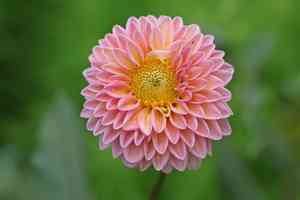
Star tickseed (Coreopsis pubescens)
Also known as: Star Tickseed, Downy Coreopsis
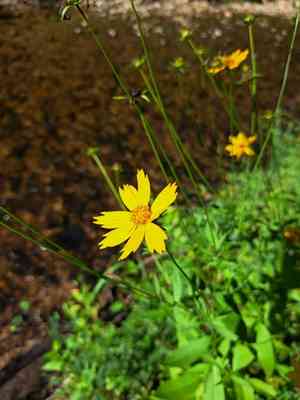
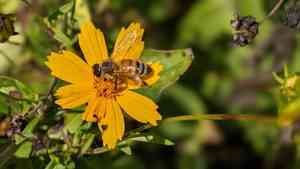
Coreopsis pubescens, also known as star tickseed, is a perennial plant that can reach heights of up to 3 feet (approximately 90 cm). It produces bright yellow flower heads composed of both ray and disc florets. The blooms typically appear from late summer to fall. The plant's leaves are green and slightly hairy, which gives the foliage a textured feel. It prefers well-drained soils and full sunlight, making it suitable for garden landscapes and naturalized settings. Additionally, Coreopsis pubescens is valued for its drought resistance and its ability to attract pollinators such as bees and butterflies.
In This Article
Attributes of Star tickseed
Lifespan
Perennial
Plant Type
Herb
Plant Height
30 cm to 91 cm
Spread
1 to 2 feet (30 to 60 cm)
Leaf Color
Green
Flower Size
2.5 cm to 8 cm
Flower Color
Yellow Orange Gold
Images of Star tickseed
Quickly Identify Star tickseed
1
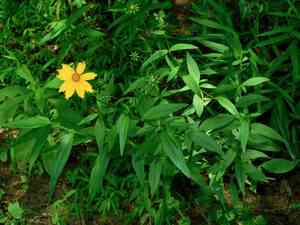
Bright yellow flowers with ray and disc florets, daisy-like appearance, up to 2 inches wide.
2
Erect perennial wildflower reaching 4 feet in height with lush foliage.
3
2-inch diameter flowers with notched petals, sweet fragrance, blooming from June to September.
4
Flat tan to brown achenes, smooth texture for wind or water dispersal.
5
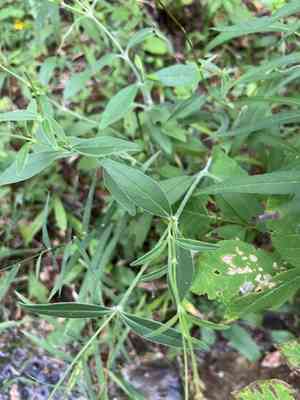
Downy textured leaves, 1-3 inches long, bright to deep green color, prominent veining.
Scientific Classification of Star tickseed
Phylum
Vascular plants
Class
Dicotyledons
Order
Asterales
Family
Daisy
Genus
Calliopsis
Species
Star tickseed
Planting and Growing of Star tickseed
Care Difficulty
Easy
Watering Schedule
Every 3 days
Sunlight Requirements
Full sun
Sunshine Duration
4-8 hours
Ideal Temperature
60-75℉
Soil Type
Potting Mix, Peat Mix
Soil pH
6-7.5
Fertilizer Type
Balanced
Pruning Season
Spring, Summer
Pruning Area
Branches, Leaves
Pruning Frequency
2 times a year
Repotting Season
Spring
Pot Type
Plastic, Ceramic
 How to Water Star tickseed?
Coreopsis pubescens is a resilient plant that prefers its soil to be moist but not soggy. When watering, ensure the water penetrates deeply into the soil, reaching down to roots, but avoid leaving standing water around the base, thus improving root health and enabling long-term plant sustainability.
What are the symptoms of an underwatered Star tickseed?
›
What should I do if my Star tickseed is not getting enough water?
›
What are the symptoms of an overwatered Star tickseed?
›
How to save an overwatered Star tickseed?
›
 What Are the Sunlight Requirements for Star tickseed?
Coreopsis pubescens thrives in full to partial sun. Ideal lighting enhances blooming, promotes healthy growth, and increases resistance to pests and diseases.
Preferred Sunlight
›
Achieving Ideal Lighting
›
Benefits of Ideal Sunlight
›
 What Is the Ideal Temperature Range for Star tickseed?
Coreopsis pubescens thrives best in temperatures ranging from 60°F to 75°F. Within this range, the plant experiences optimal growth and flowering, as the conditions closely mimic its natural habitat. Such temperatures facilitate crucial physiological processes, ensuring the plant remains vigorous and resilient. This range is conducive to nutrient uptake and photosynthesis, promoting healthier foliage and vibrant blooms.
 What Soil is Best for Star tickseed?
Coreopsis pubescens thrives in well-drained soils that prevent water accumulation. Proper drainage helps to avoid root rot and promotes healthy root growth. This plant benefits from soils that are rich in organic matter, enhancing growth and flower production. Nutrients support robust foliage and vibrant blooms. Soils with moderate moisture retention ensure the plant remains hydrated without overwatering, which is vital for maintaining optimal growth conditions.
 How to Fertilize Star tickseed?
For Coreopsis pubescens, it's crucial to apply the right amount of fertilizer to promote growth without overwhelming the plant. Typically, use a balanced fertilizer diluted to half strength for liquid feeds, and about a handful of granules for slow-release options, depending on plant size.
 How to Prune Star tickseed?
Regularly remove faded blooms by cutting back to the nearest set of leaves or a lateral flower bud. This encourages the plant to produce more flowers and prolongs the blooming period throughout the growing season. In late spring, lightly shear the entire plant if it's becoming overly bushy or floppy. This can encourage a more compact growth habit and result in a neater appearance. In late autumn, cut back the plants to near ground level. This tidies up the garden, prepares the plant for winter dormancy, and helps control pests and diseases that might overwinter in the foliage.
More About Pruning Techniques→
 How to Propagate Star tickseed plant?
1
To propagate from seeds, fill a seed tray with a well-draining potting mix. Sow the seeds on the surface, lightly covering them with soil. Keep the soil moist and maintain a warm temperature to promote germination.
2
For division propagation, carefully dig up a mature plant in early spring. Gently separate the clumps with roots attached, ensuring each division has a healthy root system, then replant them in desired locations.
3
Select strong and healthy roots during the dormancy period of the plant. Cut sections approximately 2-3 inches long and plant them in a moist potting mix. Keep them in a warm, humid environment until new shoots emerge.
 How to Repot Star tickseed plant?
1
Coreopsis pubescens should be repotted when you notice roots crowding the drainage holes, the soil surface drying out too quickly, or stagnated growth despite favorable conditions. These signs indicate that the plant needs fresh soil and more space to thrive.
2
Choose a pot that is one size larger than the current one, with good drainage holes. The right size prevents waterlogging, reducing the risk of root rot. A breathable material like clay is ideal as it allows excess moisture to evaporate.
3
Opt for a well-draining, sandy potting mix enriched with organic matter. This type of soil ensures excellent drainage, preventing root rot, and simultaneously provides ample nutrients for sustained growth and blooming.



